Pro-Tip: Viewing on a phone? Select desktop mode or rotate to landscape for the best reading experience!
Estimated Read Time: 7 Minutes
Why Oishi Bunnies Doesn’t Bake With Critical Care or EmerAid
Cookie Yiyi brings nine years of rabbit baking experience, hands-on rescue and fostering experience with 18 rabbits, and daily care of four senior resident rabbits. This article combines that practical experience with published veterinary guidance and the manufacturers’ product instructions. It explains Oishi Bunnies’ own baking policy; sources are listed below so readers can check the guidance for themselves.
Baking rabbit recovery food into cookies or cakes may sound like a convenient way to offer nutritional support. But does the finished treat still serve the same purpose as the original formula? Here, we explore recovery diets such as Oxbow Critical Care and EmerAid, what changes when they become part of a baked recipe, and why Oishi Bunnies keeps recovery formulas separate from our treats.
When your rabbit won’t eat, a food she actually accepts feels like a small victory. So the question is a natural one: could that recovery formula become a cookie she’ll happily crunch? We asked ourselves the same thing. Pee-Casso was already reaching for the whisk. Bunnini put down her book and asked the better question: what would the finished cookie actually be, and how would someone use it?
Here’s why recovery powders stay out of our baking bowl.
Before Baking Rabbit Recovery Food: Know the Formulas
Baking rabbit recovery food starts with a question: what was the original formula designed to do? These five rabbit recovery diets supply nutritional support, but their formulations and intended uses differ. Here’s how Oxbow Critical Care, the EmerAid Herbivore range, Supreme RecoveryPlus and Sherwood Recovery Food fit into that picture.
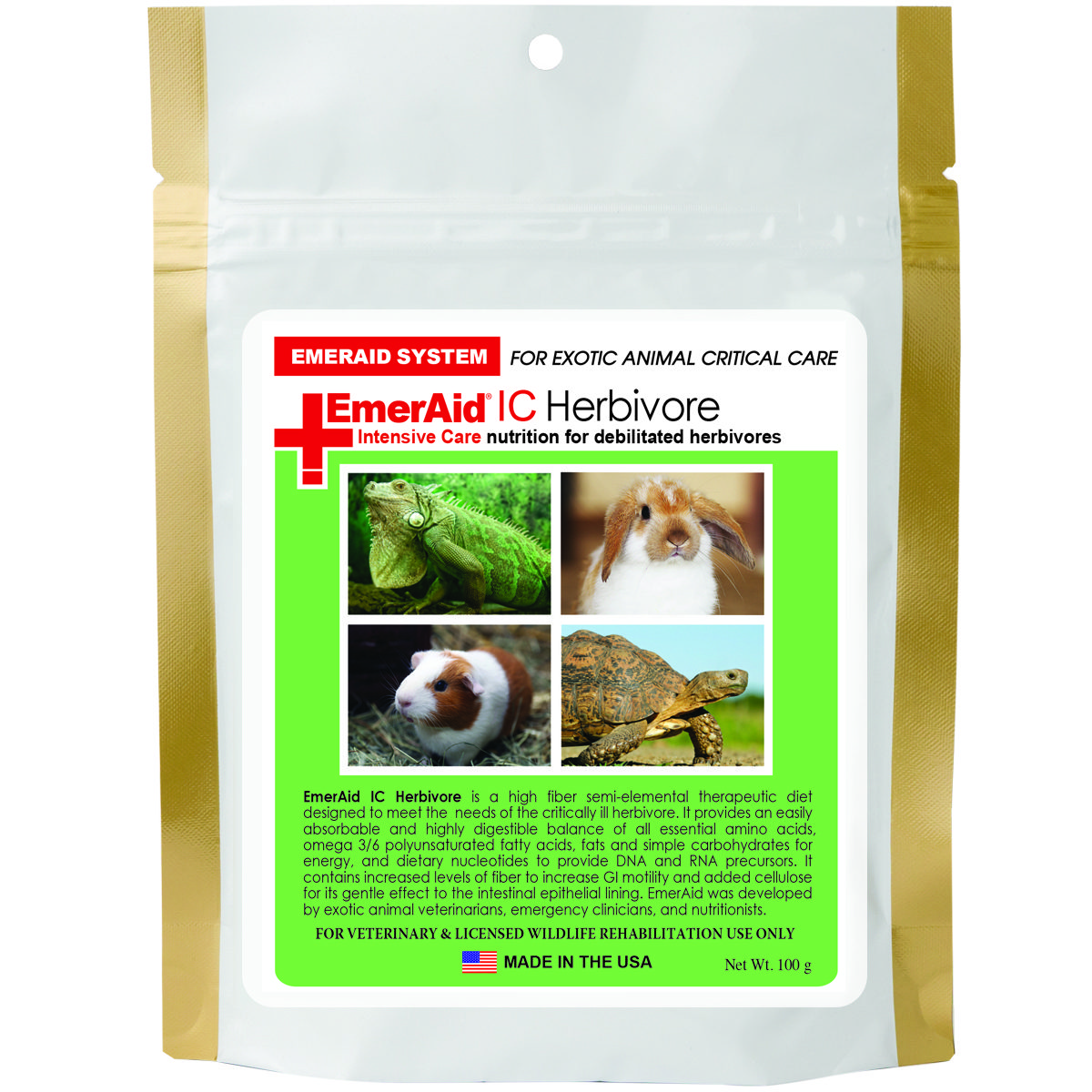
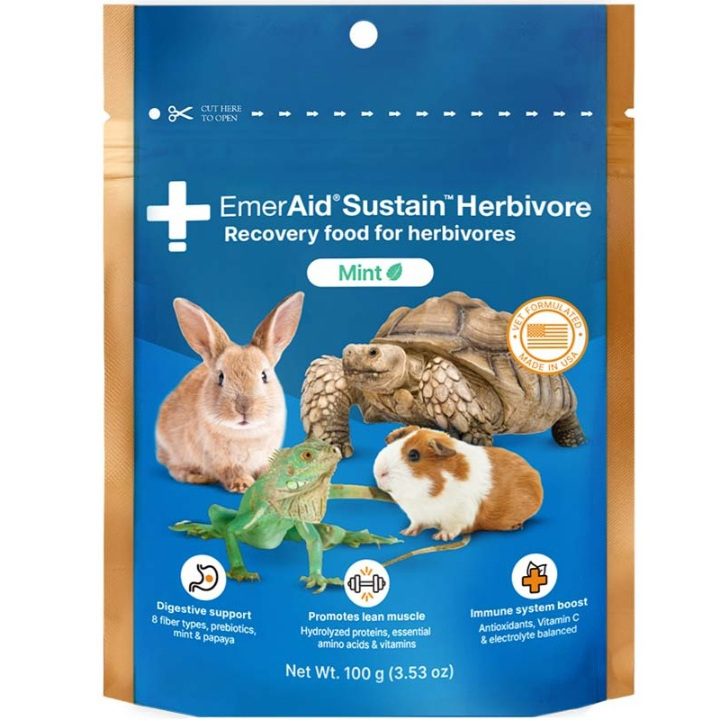
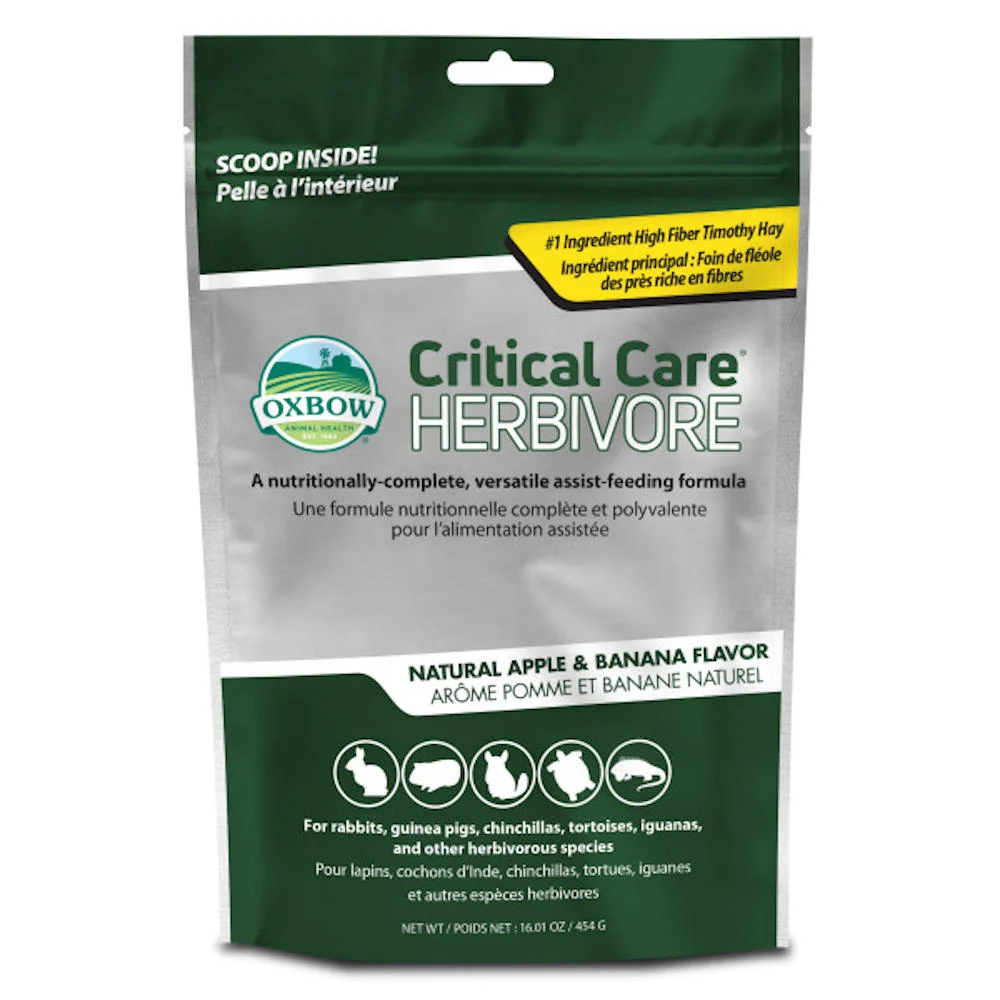
| Oxbow Critical Care Herbivore | EmerAid Intensive Care Herbivore | EmerAid Sustain Herbivore |
|---|---|---|
Oxbow Critical Care is a complete recovery diet for herbivores with poor nutritional status after illness or surgery. Timothy grass meal is the first ingredient. It can be fed from a bowl, spoon or syringe, by tube under veterinary supervision, or as a top dressing. |
EmerAid Intensive Care Herbivore is a high-fibre, semi-elemental therapeutic diet for critically ill herbivores, used under veterinary supervision. It contains hydrolysed protein and individual amino acids. |
EmerAid Sustain Herbivore is a complete recovery food for animals coming through critical illness that aren’t ready for their normal diet yet. It contains timothy grass and several fibre sources. |
Supreme Science Selective RecoveryPlus
A nutritionally complete, timothy-based recovery diet and another option for rabbits needing assisted feeding. It contains high levels of long fibre and is designed for syringe feeding or voluntary eating from a bowl. It provides nutritional support during illness, recovery after surgery or reduced appetite, including GI stasis when assisted feeding is appropriate under a vet’s plan.
Sherwood Recovery Food
A timothy-hay-based recovery food for rabbits, with no soy or cereal grains listed in its ingredients. The formula includes safflower meal, whole flaxseed, vitamins and minerals, alongside ingredients such as ginger and papaya. It may appeal to caregivers seeking a soy-free, grain-free option. Sherwood’s Appetite Restore is a separate product, also offered in its emergency kits.
Product descriptions are based on manufacturers’ information. Check the current packaging for ingredients and preparation instructions.
Understanding these differences gives the discussion of baking rabbit recovery food its context. “Semi-elemental” simply means some nutrients are in forms that need less digestive breakdown. IC Herbivore and Sustain aren’t interchangeable, and which one suits a rabbit depends on the patient.
One myth worth busting, because Pee-Casso loves a myth to bust and Bunnini has checked the notes: recovery feeding isn’t always short-term, and it isn’t always syringe-only. Some rabbits need ongoing nutritional support for a chronic condition, under a vet’s plan. Voluntary eating from a bowl can be perfectly appropriate too.
OUR BAKING PHILOSOPHY
Baking Rabbit Recovery Food: Our Ingredient Policy
When we consider baking rabbit recovery food into treats, we start with the purpose of the original formula. We value rabbit recovery diets such as Oxbow Critical Care and EmerAid Herbivore for their role in rabbit care. Turning them into cookies raises different questions: what happens during baking, what nutrition remains, and what owners can expect from the finished treat.
Here’s how those questions shape our baking policy.
Oxbow Says Don’t Bake Critical Care
Oxbow recommends avoiding baking because high heat can degrade vitamins and other nutrients. That’s a direct, product-specific reason, and for us it settles the Critical Care question.
It doesn’t mean baking destroys every nutrient or makes the food harmful. It means we can’t assume a baked version keeps the nutrition on the label.
For EmerAid, we haven’t found an equivalent baking warning in the manufacturer guidance we reviewed. So leaving EmerAid IC Herbivore and Sustain out of our baking is our own formulation policy, not a warning we’re attributing to Lafeber.
Warm Water Isn’t a Hot Oven
Oxbow Critical Care’s instructions call for warm water. EmerAid’s published Intensive Care guide specifies water at about 50°C, freshly prepared for each feeding. A short rehydration at that temperature tells us nothing about how the food handles a long stretch in the oven.
Baking rabbit recovery food at a lower temperature still leaves questions unanswered. Without testing the finished recipe, we can’t say how much of any nutrient survives, so we don’t make nutritional claims about it.
The short version: a powder’s label claims don’t carry over to a different, baked recipe unless someone has shown they do.
A Cookie Isn’t a Feeding Plan
Using rabbit recovery diets means choosing the product, amount, consistency and feeding method to suit the rabbit’s condition, then watching how she responds. That’s a job for you and your vet.
A cookie could hold a measured amount of powder. That still doesn’t tell us whether the finished cookie meets a patient’s needs, especially once other ingredients and baking are involved. And the rabbit might nibble half, share it with her housemate, or walk straight past it.
Eating a treat is encouraging. It doesn’t tell you an unwell rabbit has had enough nutritional support.
So we’re clear about this in our product descriptions: our baked treats are occasional extras. We don’t sell them as complete recovery foods, or as treatment for GI stasis, dental disease or weight loss.
Treats Get a Small Seat at the Daily Table
For healthy rabbits, grass hay is the foundation. It drives the long chewing sessions that wear teeth and keep the gut moving. Fresh water, suitable greens and a measured portion of age-appropriate pellets round out the day, and treats stay in moderation.
Our recipes use plain, clearly named plant ingredients, depending on the treat: hay, oats, rabbit-safe herbs and leaves, and other ingredients in small treat portions.
A baked hay cookie isn’t the same eating experience as a pile of long-strand hay, and we don’t pretend otherwise. Our treats are for enjoyment, bonding and enrichment. They stay modest, and the ingredient list stays open.
If Your Rabbit Is Eating Less, Find the Cause
If your rabbit stops eating, produces noticeably fewer droppings, looks painful, or goes unusually quiet, contact a rabbit-savvy vet promptly.
Don’t wait 12 to 24 hours to see if she picks up.
Before you start syringe feeding, get veterinary guidance, especially to rule out an intestinal blockage. A rabbit who can’t swallow safely needs assessing too. Incorrect assisted feeding can cause choking or aspiration, where food enters the airway. Recovery feeding supports treatment. It doesn’t replace diagnosis.
If your vet does recommend nutritional support, ask which formula, how to prepare it, how much to offer, and what changes should prompt a recheck.
The Oishi Bunnies Approach
We respect recovery diets for what they do when a rabbit needs them. We also respect being straight about what a bakery makes.
Our cookies and cakes sit inside a small treat allowance. We curate ingredients for that job, instead of stirring in a recovery formula and implying the finished treat keeps its original benefits.
Bunnini:
“Read the label. Respect the feeding plan.”
Pee-Casso:
“I’ll handle the cookie inspection. Within my treat allowance, apparently.”

Stay in the Bunny Loop
A little bunny circle for rabbit-care reads, bakery updates and news from Oishi Bunnies.
Join our Instagram channel, or send JOIN to +65 8202 2272 for our WhatsApp broadcast.
Sources and Further Reading
- Oxbow Critical Care: Professional Product Page
- Oxbow Critical Care Herbivore, Apple & Banana: Product Information
- Critical Care Tips and Tricks — Oxbow
- EmerAid Exotic Animal Use Guide — Lafeber (PDF)
- Science Selective RecoveryPlus: Product Information — Supreme Petfoods
- Rabbit Recovery Food and Emergency Kits: Product Information — Sherwood Pet Health
- Rabbit Care Guide, February 2024 — Oxbow (PDF)
- Syringe Feeding Guide — Rabbit Welfare Association & Fund
This article is educational and isn’t a substitute for veterinary advice. If your rabbit is unwell, please see a rabbit-savvy vet.
Living Content Notice
The Modern Art of Rabbit Care grows alongside our learning. We may update this article as new research, manufacturer guidance or practical insights become available. We welcome thoughtful corrections and useful references that help keep our rabbit-care content accurate and clear.
Medical Disclaimer
Cookie Yiyi is a rabbit rescuer and independent researcher, not a licensed veterinarian. This article draws on published information and practical experience for educational purposes. It does not replace individual veterinary advice, diagnosis or treatment. Please consult a rabbit-savvy vet about your rabbit’s health and nutritional needs.
A Note on Recovery Diets and Our Baking
This article explains our baking policy and provides general information about rabbit recovery diets. Use recovery formulas according to the manufacturer’s instructions and your rabbit-savvy vet’s feeding plan.
Our cookies and cakes are occasional treats. They aren’t formulated to replace a complete recovery diet or prescribed nutritional support.
Our decision to keep recovery formulas out of our baking is specific to our recipes and product claims; it isn’t an assessment of another bakery’s products.
Help Us Keep Learning
Have a useful study, a correction or an idea for collaboration? We’d love to hear from people who care about rabbit welfare, research and thoughtful education.
Oishi Bunnies · Singapore