
 Pro-Tip: Viewing on a phone? Select desktop mode or rotate to landscape for the best reading experience!
 Estimated Read Time: 8 Mins
Gardening for Rabbit Owners: Growing Safe Greens and Biosecurity Guide
Essential gardening for rabbit owners requires a careful balance between cultivating fresh, nutritious snacks and ensuring total biosecurity for your bun. Whether you are planting a window box of herbs or setting up a full balcony garden, growing rabbit food safely means staying mindful of soil safety, chemical use, and plant selection.
If you’ve ever watched a rabbit go absolutely feral over a single sprig of homegrown cilantro, you already know why so many bunny parents get into gardening for rabbit owners.
Fresh greens can be cheaper, wonderfully fresh, and — let’s be honest — deeply satisfying to grow yourself. There is something ridiculously rewarding about snipping a handful of herbs from a pot you planted yourself and watching your bunny demolish them in approximately five seconds.
Proper biosecurity guide protocols make rabbit-safe home cultivation possible from the ground up.
The leafy green sitting in your bunny’s salad bowl is only as safe as everything that happened to it before it got there — the soil it grew in, the fertilisers you added, the water you used, the animals that wandered past it, the chemicals used nearby, the scissors that harvested it, and even the shoes you wore into the garden.
After fostering 18 rabbits and keeping four of my own, I’ve learned to think about the garden as part of the food chain. This biosecurity guide draws on Oishi Bunnies’ hands-on experience caring for rabbits, supporting rescue and rehoming, and growing fresh herbs and greens, alongside published research, food-safety guidance, horticultural science and established rabbit-welfare principles.
The Core Question
And once you look at it that way, successful gardening for rabbit owners becomes less about simply asking:
“Can rabbits eat this plant?”
and more about asking:
“What has this plant been exposed to from soil to snack bowl?”
Whether you’ve got one little parsley pot on a HDB balcony or a full backyard vegetable patch dedicated to growing rabbit food, following a strict biosecurity guide ensures every single harvest remains completely rabbit-safe.
Start With What You Put On — and In — the Soil
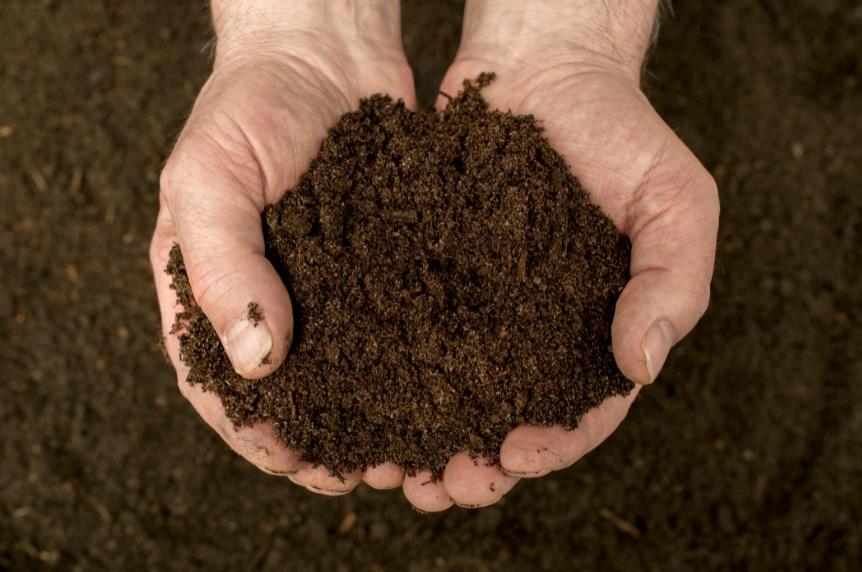
The golden rule of growing rabbit food is simple: A rabbit-safe plant is only the beginning. Everything used to grow it matters too.
When we’re growing specifically for our rabbits at home, the simplest approach is to keep unnecessary chemical exposure out of the food-growing area altogether.
That means thinking beyond fertiliser. Pesticides, herbicides, fungicides, insecticides, miticides, snail and slug products, foliar sprays and other garden treatments can all become relevant depending on what you’re growing and how you’re managing pests.
Contact vs. Systemic Treatments
One distinction worth understanding is the difference between contact and systemic products:
- Contact pesticide: Primarily acts where it lands on the plant or pest.
- Systemic product: Absorbed by the plant and transported through its tissues. Depending on the active ingredient and how the product is applied, residues may therefore be present within plant tissues rather than simply sitting on the surface.
Why “I’ll just wash it really well afterwards” isn’t a universal solution:
Washing can help remove soil, debris and some surface residues. It cannot be relied upon to remove a substance that has been absorbed into the plant.
For crops being grown specifically as rabbit food, Oishi Bunnies takes the conservative route: avoid unnecessary pesticide and systemic chemical treatments on plants destined for the bunny bowl.
If a commercial crop-protection product is used on an edible plant, however, don’t invent your own waiting period. Check exactly what the product is approved for, follow its label directions and observe any specified pre-harvest interval (PHI).
“Organic” and “Natural” Don’t Automatically Mean Rabbit-Safe
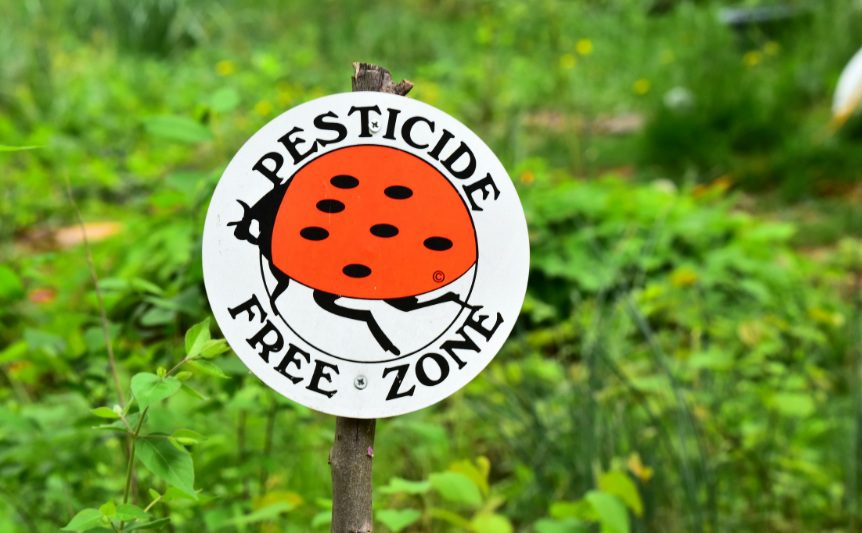
When gardening for rabbit owners, this is one of the most persistent traps.
Neem. Botanical insecticides. Essential-oil sprays. Soap sprays. Homemade chilli or garlic mixtures. Vinegar. Organic fertilisers. “Natural” slug products.
The word natural tells you something about origin or marketing. It does not, by itself, tell you whether a substance is appropriate for a rabbit-safe diet or ingestion when growing rabbit food.
Plants themselves manufacture potent chemicals. Some are harmless foods. Some are medicines. Some are irritants. Some are toxic.
The Right Question to Ask
So instead of asking: “Is it natural?”
ask: “What exactly is in it, how is it being used, and could my rabbit consume the treated plant?”
Following a proper biosecurity guide means recognizing that a product being considered safe around pets when used according to its directions does not automatically mean treated foliage is intended to be eaten by a rabbit.
Fertiliser Deserves a Second Look Too
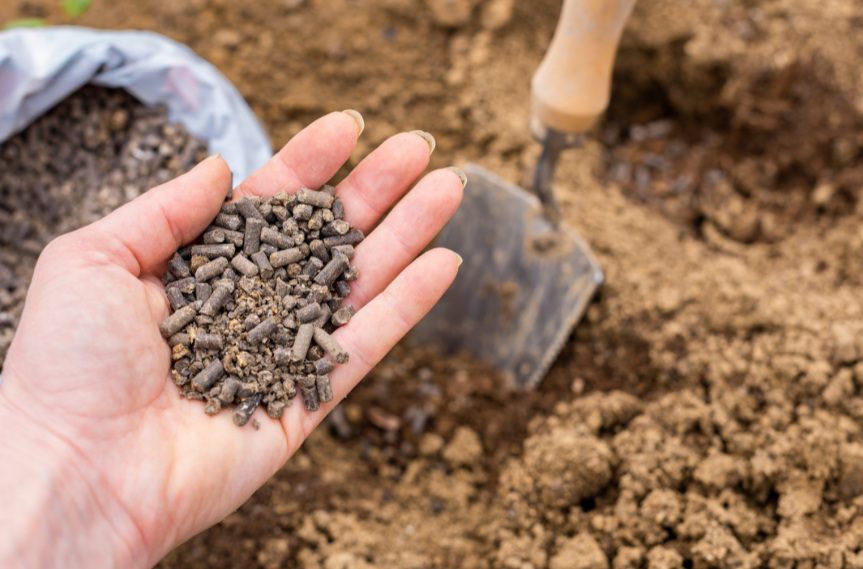
When gardening for rabbit owners, fertiliser often escapes scrutiny because we’re concentrating heavily on pesticides.
But fertilisers can contain concentrated mineral salts, nitrogen compounds and other ingredients that aren’t intended to be eaten directly when growing rabbit food.
Keep concentrated fertilisers, granules and fertiliser solutions out of rabbits’ reach, and use garden products according to their intended application rather than assuming that more fertiliser means more nutritious greens.
What About Organic Compost?
Organic compost, worm castings and other organic soil amendments can be useful components of a productive garden. But remember:
- Organic does not mean sterile. Composts containing manure or other biological material can carry microorganisms if the material has not been appropriately processed or if it becomes contaminated afterwards.
- Use well-managed, mature compost from a source you trust, and avoid putting incompletely composted animal waste directly around greens that are approaching harvest.
The Bunny Gold Connection
As we covered when discussing “bunny gold” as a natural fertiliser, rabbit manure is exceptionally gentle compared to other animal wastes because it’s a “cold” manure that won’t burn plant roots. However, following a strict biosecurity guide means even with premium golden pellets straight from your bonded pairs, proper aging and composting remain essential to keep things balanced and rabbit-safe before applying them to your edible greens. Read our guide on rabbit poop as fertiliser.
And remember: good composting practices reduce risk. They don’t eliminate the need to wash harvested produce.
Snails, Slugs and the Temptation to Reach for Pellets
When gardening for rabbit owners in humid Singapore, sooner or later somebody slimy is probably going to discover the buffet. Unfortunately, the bunny isn’t always the only one interested in your basil.
Snail and slug baits are molluscicides, and formulations differ. Don’t assume that every pellet is harmless simply because it is sold for household gardens or described as natural.
Non-Chemical Control Strategies
For any growing rabbit food setup following a proper biosecurity guide, start with non-chemical controls wherever practical:
- Physically remove snails and slugs.
- Remove hiding places and decaying vegetation.
- Improve drainage where excessive moisture encourages them.
- Protect containers or growing beds with appropriate physical barriers.
- Inspect plants regularly rather than waiting for an infestation.
The Ultimate Objective
The goal isn’t to turn your garden into a sterile laboratory. It’s to avoid introducing a chemical hazard while trying to solve a biological one to keep your greens fully rabbit-safe.
Water: The Ingredient Everyone Forgets
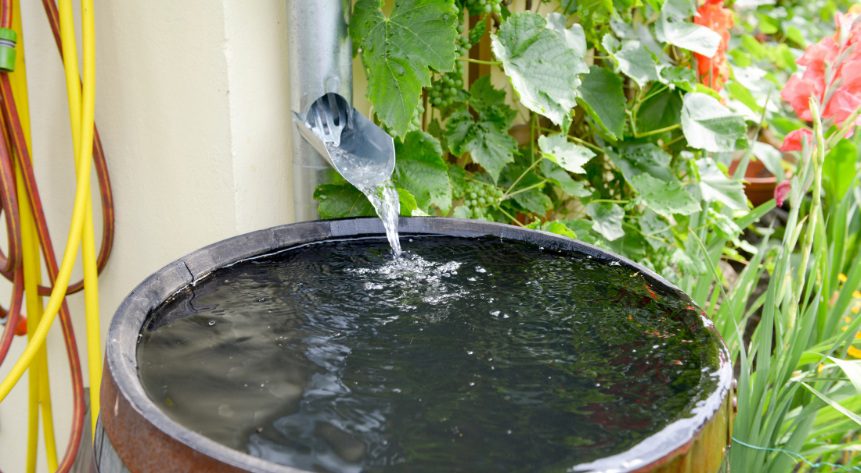
Water quality gets overlooked constantly when gardening for rabbit owners. We scrutinise soil, fertiliser, and pesticides, then happily pour whatever’s sitting in a bucket over the lettuce. For edible rabbit crops, clean potable water is the simplest household choice, particularly wherever that water will actually touch edible foliage.
Rainwater isn’t automatically clean water. Rain itself is only part of the story — what matters is what it touched on the way to your watering can. Water collected from roofs, gutters, and other exposed surfaces can pick up bird droppings, rodent contamination, soil and dust, leaves and organic debris, insects, and general environmental pollutants. And once that water is stored, a second set of problems kicks in: an uncovered rain barrel can accumulate debris, develop biofilm or algae, attract insects, and become accessible to animals. A rain barrel with a resident pigeon population is not a salad irrigation system, however convenient it looks.
Following a strict biosecurity guide means stored water needs hygiene too. Keep water-storage containers clean and covered, and inspect watering cans, tanks, trays, and reservoirs regularly for stagnant organic matter, slime or biofilm, algae, mosquito breeding, animal access, or obvious faecal contamination.
And one non-negotiable: never reuse a container that previously held pesticides, herbicides, concentrated fertilisers, or household chemicals as a watering or harvesting vessel for rabbit food — residue doesn’t rinse out as completely as you’d hope.
Rainwater vs. Tap Water: Which Should You Actually Use?
For plant growth, rainwater can have some useful characteristics. It’s generally soft and often mildly acidic, while municipal tap water contains a disinfectant residual to keep it microbiologically safe through the distribution system. For the leafy greens most rabbit gardens grow, however, ordinary Singapore tap water is a perfectly practical irrigation source.
| Comparison | Rainwater | Tap Water |
|---|---|---|
| Plant characteristics | Generally soft and often mildly acidic | Suitable for most common edible garden crops |
| Contamination risk | Depends heavily on collection surface, gutter, and storage hygiene | Treated and monitored for microbiological safety at the source |
| Consistency | Variable — quality changes with weather, collection, and storage | Consistent, testable, and traceable |
| Effort | Needs a clean collection and storage system | Turn on the tap |
Here’s the twist for growing rabbit food specifically: growth conditions and food safety aren’t the same axis. Rainwater can be an excellent irrigation source, but only if your collection surface, barrel, and storage habits are genuinely clean — and that’s a bigger “if” than most casual collectors realise. Tap water starts with a much higher floor for microbiological safety because it has already been treated and monitored as potable water.
The practical take: if you’ve got a well-maintained, covered, regularly cleaned rainwater collection system, go ahead and use it. If you’re not confident your setup meets that bar, tap water is the safer default for anything going straight into a bunny bowl. This isn’t an either-or for life — plenty of growers use collected rainwater where appropriate and tap water when they want the consistency of a potable supply.
Quick Tip: Do You Actually Need to Dechlorinate Tap Water for Plants?
Probably not — but if you’d like to anyway, here’s the honest version, with a Singapore-specific catch.
Most gardening advice says “let tap water sit uncovered for 24 hours and the chlorine evaporates.” That can reduce free chlorine, but Singapore’s drinking-water system uses chloramine as a stable residual disinfectant. Chloramine doesn’t dissipate readily just because a bucket has been left sitting overnight.
The good news is that for the ordinary leafy greens most rabbit gardens grow, you generally don’t need to dechlorinate Singapore tap water before watering them. If you still want to remove chlorine and chloramine — perhaps for particularly sensitive plants or another specialised growing setup — activated carbon filtration is a more appropriate approach than simply leaving the water standing. So for the bunny herb garden, don’t make life harder than it needs to be: fresh Singapore tap water is a perfectly reasonable default.
Myth Check: Does Rice Water Actually Help?
If you’re in Singapore, chances are an auntie, a Telegram gardening group, or your own mother has told you to save your rice-rinsing water for the plants. Good news: this one isn’t just folklore.
Rice-rinse water contains nutrients washed from the grain, including nitrogen, phosphorus, potassium, calcium, magnesium, and trace minerals. Research on leafy vegetables has found that washed rice water can support plant growth, with some experiments producing results comparable to conventional fertiliser treatments under particular growing conditions.
Fermentation makes things even more interesting. Studies have found that fermenting washed rice water can increase concentrations of several nutrients and dramatically increase microbial populations, including microorganisms with potentially useful plant-growth functions.
The Rabbit-Specific Catch
Fermentation may be interesting from a soil-fertility perspective, but a deliberately microbe-rich liquid isn’t necessarily what we want splashed over leafy greens destined to be eaten raw. And deliberately controlled fermentation is very different from forgetting a jug of cloudy rice water beside the sink for several days.
For a rabbit-food garden, keep it simple:
- Use ordinary rice-rinse water fresh rather than leaving it sitting around for days.
- Don’t overdo it. Treat rice water as a supplementary soil input, not a complete fertiliser or replacement for normal watering.
- Water the soil, not the leaves. Let the roots make use of what’s there rather than coating edible foliage with it.
- Don’t skip the wash step afterward. Homegrown greens still get inspected and thoroughly rinsed before reaching the bunny bowl.
Rice water can be useful. It just doesn’t need to become a science experiment on your kitchen counter.
The Wash-and-Inspect Ritual
Before any homegrown green touches a bunny’s mouth to ensure it is completely rabbit-safe:
- Rinse thoroughly under cold running water — not a quick dip in a bowl, which can simply redistribute soil and debris rather than effectively rinsing them away.
- Inspect every leaf individually for soil residue, insects, mould, deterioration, or anything else that looks off.
- Drain on a clean towel or clean surface before serving. The greens don’t need to be bone-dry; freshly rinsed wet greens are fine for rabbits accustomed to them.
Washing Has Limits
This deserves saying twice:
Washing reduces surface contamination. It does not make every contaminated plant safe again.
Rinsing cannot reliably:
- remove chemicals incorporated within plant tissue
- reverse inappropriate pesticide use
- guarantee removal of every microorganism
- make rotten or mouldy produce fresh again
- compensate for serious faecal contamination
- identify a plant you aren’t certain about
It’s a small ritual, but doing it every single time — not just “when it looks dirty” — is what makes it useful.
The Rabbit-Safe Garden Is a Chain
If all this sounds like a lot of precautions for one sprig of cilantro, zoom out for a moment.
We’re not trying to create a sterile garden.
That’s neither realistic nor necessary.
We’re creating layers of protection:
SAFE PLANT
↓
APPROPRIATE SOIL & INPUTS
↓
CHEMICAL MANAGEMENT
↓
CLEAN WATER
↓
WILDLIFE & VECTOR CONTROL
↓
QUARANTINE & FOMITE CONTROL
↓
CLEAN HARVEST
↓
WASH & INSPECT
↓
STORE OR SERVE SAFELY
↓
BUNNY
No single layer needs to pretend it can control every possible hazard.
That’s the point of having layers.
Why This Matters More Than It Looks
None of these precautions is individually dramatic.
- One shoe crossing the garden doesn’t mean disease.
- One splash of soil doesn’t automatically make a leaf dangerous.
- Finding a tiny insect hole doesn’t mean throwing away the entire plant.
- And gardening itself should not become an exercise in trying to eliminate every microorganism from nature.
The objective is risk reduction, not sterility.
Good food safety works because multiple sensible controls overlap.
You start with an appropriately identified rabbit-safe plant. You choose sensible growing inputs. You keep unnecessary chemicals away. You use clean water. You reduce access by animals. You separate waste and quarantine areas from food production. You harvest with clean equipment. And finally, you inspect and wash what you’ve grown.
Each step closes another gap.
Whether you’re growing a single pot of parsley on an apartment balcony or running a proper vegetable bed, the same principles scale: keep the growing environment clean, know what goes onto your plants, protect the food chain from contamination, and treat harvesting as part of food safety rather than the end of gardening.
Because after weeks of watering, pruning, arguing with snails and discovering that your rabbit can somehow hear a parsley stem being snapped from three rooms away, the final destination of that plant is very simple: The bunny bowl.
And every leaf that goes into a rabbit’s bowl at Oishi Bunnies starts with the same question we ask in the garden:
“Would I trust this enough to hand-feed it myself?”
Ready to Grow Your Bunny’s First Patch of Greens? 🌱
You’ve learned how to protect your rabbit’s greens from soil to snack bowl.
Now it’s time for the fun part — growing them.
Oishi Bunnies Rye Grass Seeds Are Coming Soon
Specially selected for bunny parents who want to grow fresh, homegrown grass right from their balcony, windowsill, or garden.
Soft green shoots, freshly harvested by you, make a wonderfully rewarding addition to your rabbit’s enrichment routine — and there’s something magical about watching a bunny recognise that the snack in your hand came from a tiny seed you planted yourself.
🌿 Join us as we launch our Rye Grass Seeds collection and start growing your own bunny garden.
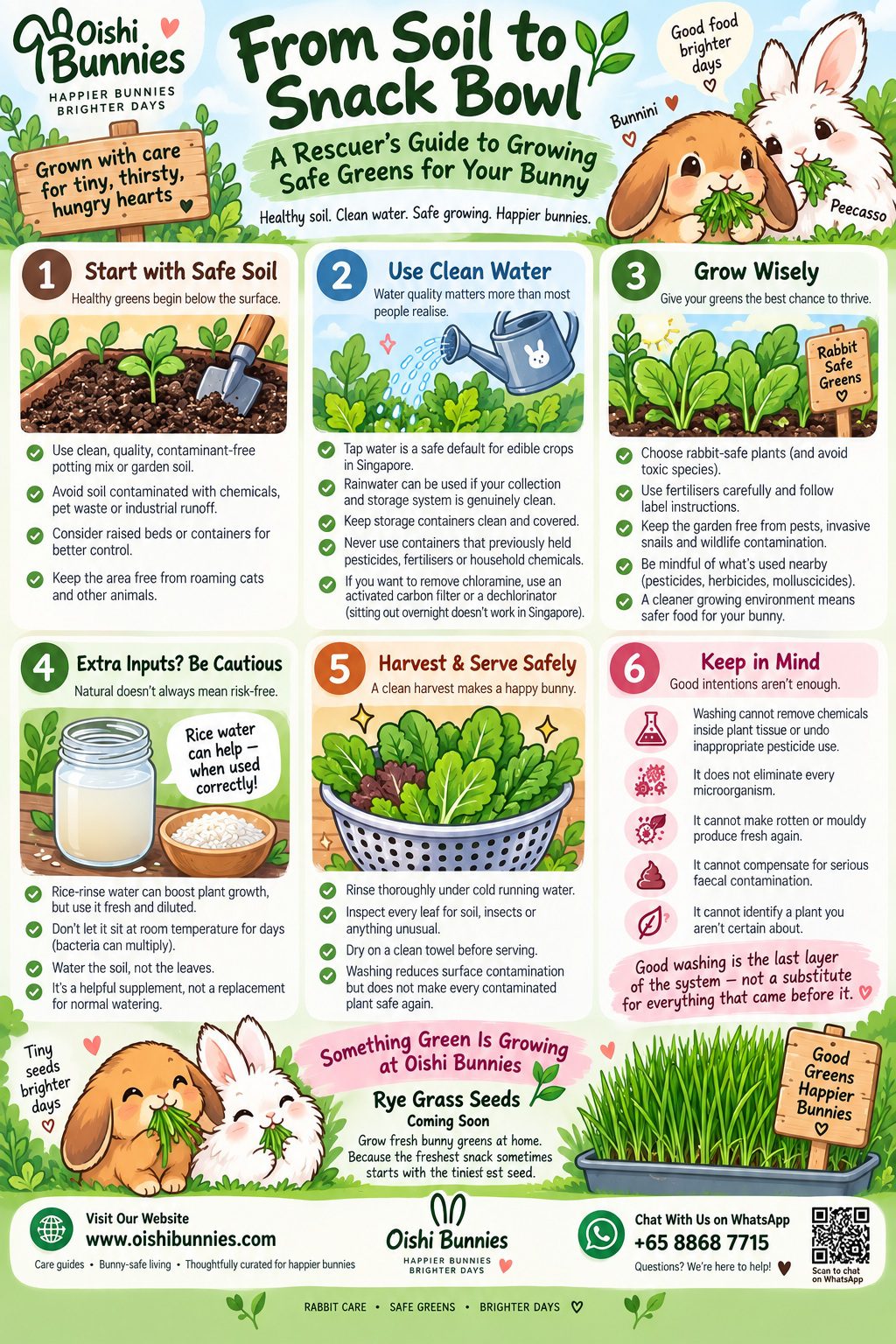
References & Further Reading
The following sources informed the food-safety, garden-biosecurity, water-quality and rabbit-health recommendations in this guide.
Singapore Food Safety & Water
Singapore Food Agency (SFA). Guidelines on Handling Raw Vegetables and Fruits.
SFA recommends washing fresh produce thoroughly under running water, removing soil and damaged or rotten portions, and using clean utensils and preparation surfaces. The guidance also states that special detergents or vegetable-washing liquids are not required.
PUB, Singapore’s National Water Agency. Drinking Water Quality & Water Treatment Information.
PUB’s drinking-water treatment system maintains a disinfectant residual in Singapore’s water distribution network, including the use of chloramine, to protect microbiological water quality.
Washing & Produce Safety
U.S. Food and Drug Administration (FDA). Selecting and Serving Produce Safely.
FDA recommends thoroughly washing fresh produce under running water. Washing can reduce surface bacteria but does not eliminate all microorganisms. FDA does not recommend routinely washing produce with soap, detergent or commercial produce washes.
Rice Water & Plant Growth
Nabayi, A., Teh, C. B. S., Tan, A. K. Z., & Tan, N. P. (2021). Fermentation of washed rice water increases beneficial plant bacterial population and nutrient concentrations. Sustainability, 13(23), 13437.
https://doi.org/10.3390/su132313437
This study investigated unfermented and fermented washed rice water and found changes in nutrient concentrations and microbial populations during fermentation, including microorganisms demonstrating nitrogen fixation and phosphorus- and potassium-solubilising activity.
Toxoplasma gondii, Soil & Garden Biosecurity
Shapiro, K., Bahia-Oliveira, L., Dixon, B., Dumètre, A., de Wit, L. A., VanWormer, E., & Villena, I. (2019). Environmental transmission of Toxoplasma gondii: Oocysts in water, soil and food. Food and Waterborne Parasitology, 15, e00049.
https://doi.org/10.1016/j.fawpar.2019.e00049
Reviews environmental persistence and transmission of T. gondii oocysts through soil, water and food. It also discusses pre-harvest controls including treated irrigation water and restricting cats’ access to gardens and cropland.
Deng, H., Devleesschauwer, B., Liu, M., Li, J., Wu, Y., van der Giessen, J. W. B., Opsteegh, M., & Su, C. (2022). Contamination of soil, water, fresh produce, and bivalve mollusks with Toxoplasma gondii oocysts: A systematic review. Microorganisms, 10(3), 517.
https://doi.org/10.3390/microorganisms10030517
This systematic review examined 102 studies involving environmental T. gondii contamination. Oocysts have been detected in soil, water and fresh produce, and the review discusses their environmental persistence, movement through rainfall and runoff, and association with feline presence.
Rabbit Haemorrhagic Disease & Biosecurity
Animal & Veterinary Service (AVS), National Parks Board Singapore. Vaccination Guidelines for Rabbit Haemorrhagic Disease Virus (RHDV). Updated 7 November 2025.
AVS describes rabbit haemorrhagic disease as a highly contagious and potentially fatal disease and states that the vaccine currently available in Singapore provides protection against RHDV1 and RHDV2. Rabbit owners should discuss individual vaccination requirements and biosecurity with their veterinarian.
A Note on Evidence
Not every gardening practice discussed in this guide has been studied specifically in rabbits. Where direct rabbit-specific evidence is unavailable, recommendations are based on established principles from food safety, horticulture, environmental microbiology, infectious-disease biosecurity and rabbit welfare, with a precautionary approach used where appropriate.
Traditional gardening practices and household methods — such as the use of rice-rinse water — are discussed separately from established veterinary treatment or proven disease-prevention measures. Where research exists, we distinguish what has actually been demonstrated from what remains practical gardening experience or hypothesis.
Important Disclaimer
This article is provided for educational and general rabbit-care purposes only. It is not veterinary, toxicological, agricultural, or food-safety advice and should not replace guidance from a qualified veterinarian or other appropriately qualified professional.
Individual rabbits may have different dietary and medical needs. Introduce unfamiliar foods gradually and confirm that any plant is correctly identified and considered appropriate for rabbits before feeding it.
Always follow the manufacturer’s label and local regulations when using fertilisers, pesticides, herbicides, fungicides, pest-control products, soil amendments, water treatments, or other garden chemicals. Washing produce cannot be relied upon to correct inappropriate chemical use, remove systemic residues, or make seriously contaminated produce safe.
If your rabbit has eaten an unknown or potentially toxic plant, garden chemical, fertiliser, pesticide, contaminated material, or other potentially harmful substance, contact a rabbit-savvy veterinarian promptly. Do not wait for symptoms to appear before seeking professional advice where poisoning is suspected.
Oishi Bunnies aims to keep this guide scientifically accurate and practical, but research and recommendations can change as new evidence becomes available.