
Table of Contents
1. Anatomy and Physiology of Rabbit Fur
- The Protective Outer Exoskeleton (Guard Hairs)
- The Thermal Insulation Layer (Undercoat)
2. The Mechanics of Moulting and GI Stasis Risks
- Photoperiod and Temperature Triggers
 Critical Medical Note: Trichobezoars and GI Stasis
 Critical Medical Note: Trichobezoars and GI Stasis
3. Classification of Rabbit Coat Types
- Rollback Coat
- Flyback Coat
- Rex Coat
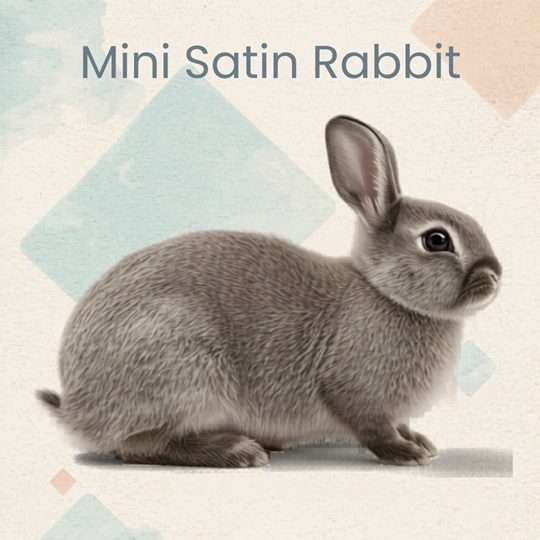
- Satin Coat
- Wool Coat
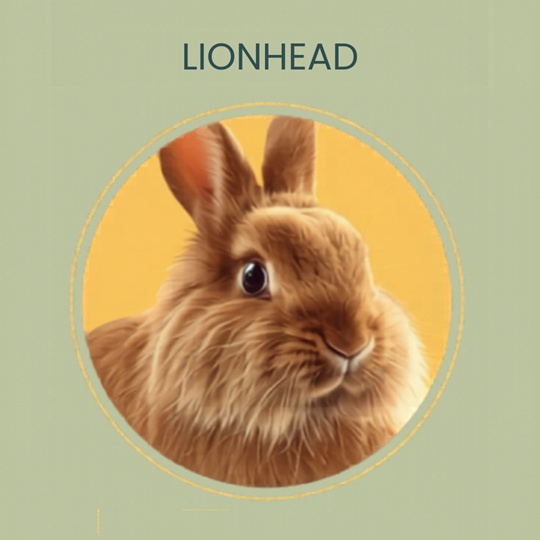
- Lionhead Coat
4. Summary of Coat Care and Maintenance
- Quick Reference Risk Matrix Table
1. Anatomy and Physiology of Rabbit Fur
While selective breeding has created diverse aesthetic variations, nearly all rabbit coat types are built from a dual-layer follicular system consisting of two primary fiber types working in tandem.
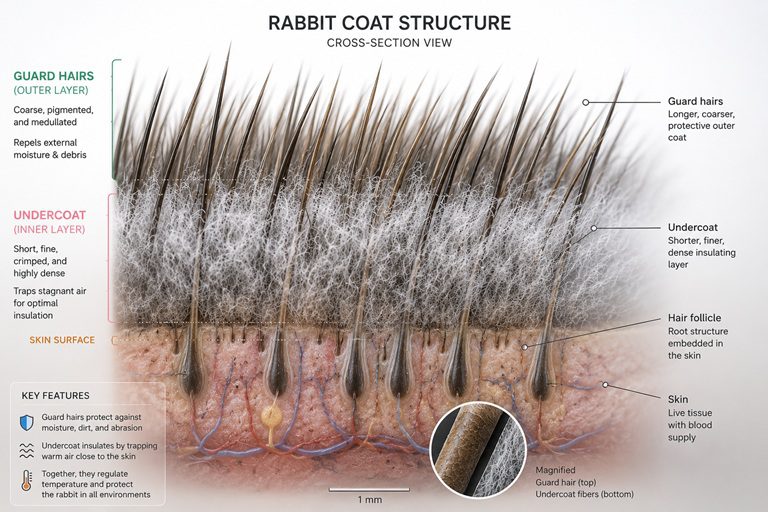
GUARD HAIRS (Outer Layer)
 GUARD HAIRS (Outer Layer)
- Coarse, pigmented, and medullated
- Repels external moisture & debris
UNDERCOAT (Inner Layer)
 UNDERCOAT (Inner Layer)
- Short, fine, crimped, and highly dense
- Traps stagnant air for optimal insulation
Guard Hairs (The Protective Outer Exoskeleton)
Guard hairs are the longer, coarser, and more rigid tactile fibers visible on the surface of the rabbit coat.
- Structure: These hairs feature a thick cuticle layer and a structured central medulla, giving them resilience against bending.
- Function: They act as a physical shield to deflect dirt and environmental debris, shed light moisture to keep the skin dry, protect the delicate epidermis from abrasions, and contain the majority of the melanin pigments that dictate coat color and camouflage patterns.
Undercoat (The Thermal Insulation Layer)
The undercoat consists of a highly dense matrix of shorter, incredibly fine, and crimped secondary hairs clustered around the base of the guard hairs.
- Structure: These fibers are low-diameter, highly flexible, and lack the rigid medulla of outer hairs.
- Function: The multi-directional crimping of these fibers creates millions of microscopic pockets that trap stagnant body heat. This creates a highly efficient thermal barrier that cushions the rabbit against sudden ambient temperature drops and minimizes metabolic energy expenditure.
2. The Mechanics of Moulting and GI Stasis Risks
Moulting is the physiological process of shedding old, damaged, or seasonally inappropriate fur to make room for new follicular growth. This cycle is primarily driven by photoperiod changes (the length of daylight) and, to a lesser extent, fluctuations in ambient temperature.
Critical Medical Note: Trichobezoars and GI Stasis
Unlike cats, rabbits lack the physiological ability to vomit.
When a rabbit self-grooms during a heavy moult, they ingest vast quantities of loose undercoat. If this fur is not bound by dietary fiber, it can accumulate in the stomach or cecum, forming a mass of compacted fur and food known as a trichobezoar (hairball). This directly triggers Gastrointestinal (GI) Stasis—a life-threatening condition where normal gut peristalsis (muscle contractions) slows down or halts entirely, leading to painful gas buildup, dehydration, systemic endotoxemia, and shock. Regular grooming is a medical necessity to intercept this loose fur before it is swallowed.
3. Classification of Rabbit Coat Types
Selective genetic mutations have modified the ratio, length, and structure of guard hairs and undercoat, resulting in six primary coat classifications.
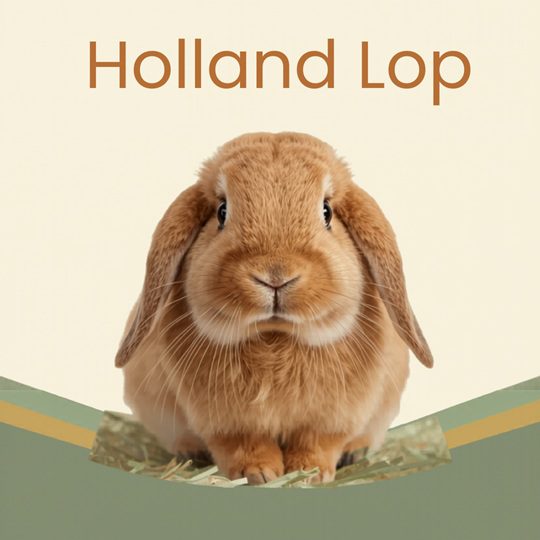
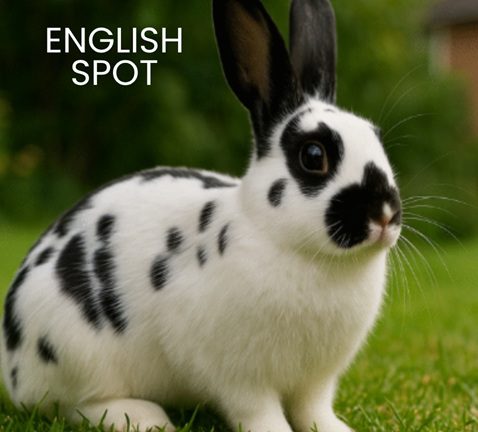
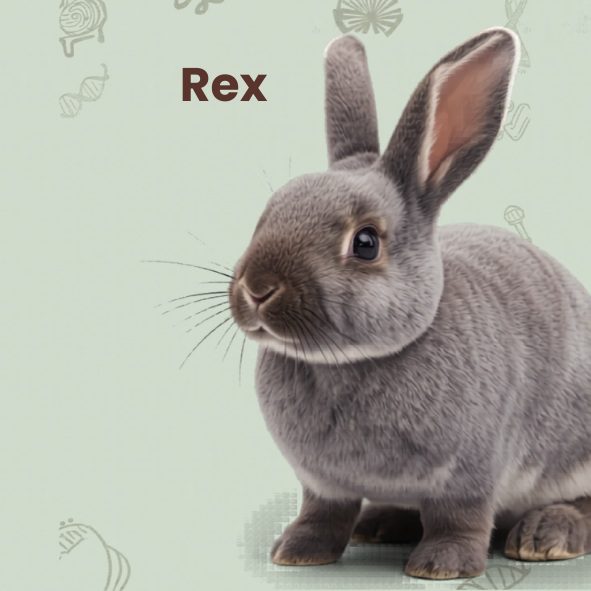
3. Rex Coat
A radical, plush genetic mutation that altered the tactile landscape of rabbit fur.
- Physical Characteristics: Uniform, velvet- or velour-like texture standing perpendicular. Whiskers are often curled.
- Follicular Ratios: Guard hairs are genetically shortened to match the exact length of the undercoat.
- Typical Breeds: Standard Rex, Mini Rex.
- Husbandry Requirements: Gentle grooming only to prevent painful follicle damage or brush burn.
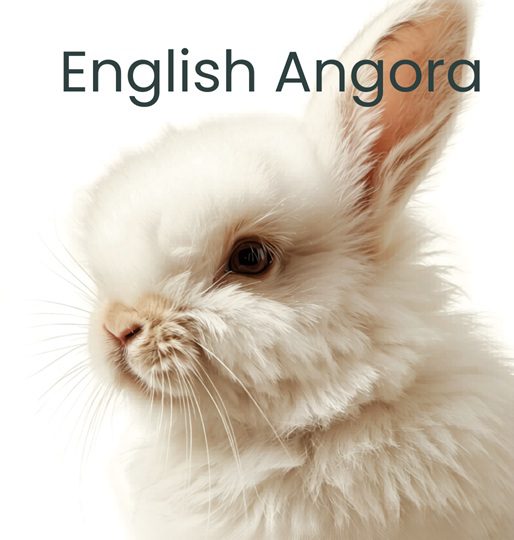
5. Wool Coat (Angora-Type)
A mutation characterized by delayed follicular shedding and continuous, uninhibited fiber growth.
- Physical Characteristics: Extremely long, dense, hyper-soft fibers lacking a natural stopping point.
- Follicular Ratios: The insulating undercoat becomes completely dominant, overpowering the guard hairs.
- Typical Breeds: English Angora, French Angora, German Angora, American Fuzzy Lop, Jersey Wooly.
- Husbandry Requirements: Meticulous daily line-brushing and professional shearing to eliminate deadly wool-block risk.
Summary of Rabbit Coat Care and Maintenance
| Coat Type | Primary Texture | Shedding Volume | Minimum Grooming Frequency | Primary Health Risk |
|---|---|---|---|---|
| Rollback | Plush / Dense | Moderate to High | 1-2x Per Week | Undercoat impaction during moult |
| Flyback | Sleek / Silky | Moderate | 1x Per Week | General ingestion of loose fibers |
| Rex | Velvety / Plush | Low to Moderate | 1x Per Week (Gentle) | Follicle damage / Skin abrasions |
| Satin | Glossy / Fine | Moderate | 1x Per Week | Debris buildup obscuring coat luster |
| Wool | Fluffy / Dense | Continuous | Daily | Pelting, matting, and deadly Wool-Block |
| Lionhead | Dual-Texture | Variable | 3x Per Week (Mane targeted) | Painful friction mats & jaw restriction |


