Pro-Tip: Viewing on a phone? Select desktop mode or rotate to landscape for the best reading experience!
Estimated Read Time: 4 Mins
Sprouting Trouble: Toxic Houseplants for Pets
đąSprouting Trouble
Â
We love our green spaces. Indoor plants donât just breathe life into a room; they elevate our home aesthetics and offer a calming touch of nature. But beneath those beautifully variegated leaves and glossy stems lies a hidden biological defense mechanism: plant toxicity.
For curious pets and toddlers, a nibble on the wrong leaf can quickly escalate from an innocent exploration into a trip to the vet or clinic. Understanding the science behind plant toxicity helps us build a stunning indoor jungle without compromising the safety of our loved ones.
Let’s dissect the molecular culprits hiding inside popular houseplants.
 The Molecular Culprits: How Plants Fight Back
Plants cannot run away from predators, so they use chemistry as their armor. When a leaf is crushed or chewed, it releases specific toxins designed to irritate, deter, or harm the attacker. Here are the three most common chemical defenses found in indoor plants:
1. Insoluble Calcium Oxalate Crystals
The Culprits: Philodendrons, Monstera Deliciosa, Pothos, Dieffenbachia (Dumb Cane).
The Science: These plants contain specialized cells called idioblasts that store microscopic, needle-like structures made of calcium oxalate, known as raphides.
The Reaction: When an animal chews the leaf, moisture causes these idioblasts to shoot the microscopic needles into the sensitive tissues of the mouth, tongue, and throat. It behaves like thousands of tiny glass shards, causing instant burning, intense swelling, hypersalivation (drooling), and difficulty swallowing.
2. Saponins
The Culprits: Snake Plants (Sansevieria), Spider Plants.
The Science: Saponins are naturally occurring glucosides with soap-like, foaming characteristics. They serve as a natural antifungal and antibacterial shield for the plant.
The Reaction: Once ingested, saponins disrupt cellular membranes in the gastrointestinal tract. This leads to mild to moderate gastrointestinal distress, including nausea, vomiting, and diarrhea.
3. Cardiac Glycosides
The Culprits: Oleander, Adenium (Desert Rose).
The Science: These are highly potent organic compounds that directly interfere with the sodium-potassium ATPase pump in cardiac muscle cells.
The Reaction: Ingestion inhibits the heart’s electrical conduction system, leading to severe electrolyte imbalances, irregular heartbeats (arrhythmias), and potentially fatal cardiovascular collapse. Note: These are rare indoor plants but are highly dangerous if kept accessible.
Â
| Toxic House Plant Name | Toxic Component | Severity Level | Common Symptoms |
|---|---|---|---|
Monstera / Philodendron | Insoluble Calcium Oxalates | Moderate | Oral irritation, intense burning of mouth/lips, excessive drooling, pawing at the mouth. |
Dieffenbachia (Dumb Cane) | Insoluble Calcium Oxalates | Mod to Severe | Severe swelling of the tongue and vocal cords, temporary loss of speech (in humans), airway restriction. |
Snake Plant (Mother-in-Lawâs Tongue) | Saponins | Mild to Mod | Nausea, vomiting, diarrhea, drooling. |
Peace Lily (Spathiphyllum) | Insoluble Calcium Oxalates | Moderate | Note: Not a true lily. Causes sharp oral pain and upper gastrointestinal tract irritation. |
True Lilies (Lilium / Hemerocallis) | Unidentified Water-Soluble Toxin | đ¨ Fatal (Cats Only) | Extreme emergency for felines. Ingestion of a single petal or licking pollen can induce acute, irreversible kidney failure within 24â72 hours. |
Safe Botanical Styling
You don’t have to throw away your favorite plants to keep a safe home. You just need a smart, strategic layout to minimize risk.
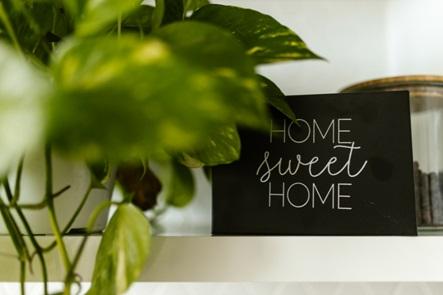
Place trailing toxic houseplants (like Pothos or Philodendrons) on high shelves, floating wall ledges, or securely fastened ceiling macramĂŠ hangers well out of reach of jumping pets.
Transform a glass display cabinet (like an IKEA cabinet) into a climate-controlled indoor greenhouse. This keeps rare toxic houseplants behind locked glass doors while showcasing them beautifully.
Switch to Pet Safe Indoor Flora
If you have free-roaming companions who love to chew greenery, pivot your collection toward 100% non-toxic, pet-safe alternatives approved by the ASPCA:
Calatheas (Prayer Plants)
Gorgeous, intricate leaf patterns without any of the chemical defenses.
Boston Ferns
Lush, vibrant, and completely safe to brush past or nibble.
Hoyas (Wax Plants)
Thick, structural leaves that look stunning and are completely gentle on curious paws.
First-Aid Protocol: What to Do in an Emergency
If you catch your pet or child ingesting a suspect leaf, stay calm and act methodically:
Safely clear any remaining plant material from their mouth.
Take a clear photo of the plant or snap off a sample leaf for identification. Knowing the exact species helps medical professionals administer the right treatment quickly.
For calcium oxalate plants, gently wipe or flush the mouth with fresh water to help remove loose, irritating crystals. Do not force water down their throat or induce vomiting unless explicitly instructed by a professional.
Reach out to your local emergency veterinarian, an exotic animal vet clinic (for buns), or a medical clinic right away.
With a little scientific knowledge and strategic styling, you can easily maintain a gorgeous, thriving indoor jungle that remains a peaceful sanctuary for every member of your family.
Science-Backed Advocacy
The Modern Art of Rabbit Care
This spotlight is just one chapter in our larger curriculum. Dive into our complete guide to evolve your guardianship, debunk old-school myths, and curate a sanctuary your companion deserves.
Explore the Full Masterpiece â¨
By Cookie Yiyi & Friends
Living Content Notice
The Modern Art of Rabbit Care is a work of passion and precision. This content may be updated from time to time as new scientific data emerges or whenever inspiration hits. We strive for a âmasterpieceâ level of accuracy, so check back often for the latest refinements.
Sprouting Trouble
Rabbits are naturally curious animals and may nibble on plants within their reach. Itâs crucial to ensure that the plants in their environment are safe and non-toxic.
All house plants should be considered toxic. It is impossible to list them all so it is better and safer to assume most are toxic. This list is non exhaustive and we may add more to the list as we go along. Keep house plant pots out of reach and if possible, in rooms your rabbits donât go into. If the leaves are about to wilt, snip and dispose them before your bunny can nip on them.
Itâs essential to research any plant thoroughly before bringing it into your home if you have free roaming rabbits. Always place plants out of their reach to prevent accidental ingestion. (Learn more rabbit proofing tips here)
If you suspect your rabbit has ingested a toxic plant, contact your veterinarian immediately.
Want to contribute to the Masterpiece?
If you have a passion for rabbit advocacy, scientific writing, or raising awareness, weâd love to collaborate.
oishibunnies.com.sg ⢠Singapore