 Pro-Tip: Viewing on a phone? Select desktop mode or rotate to landscape for the best reading experience!
 Estimated Read Time: 6 Mins
Rabbit Poop as Fertiliser: How to Use Bunny Manure Safely
Essential practices for cultivating a clean, safe green space for your long-eared companions.
If you have a rabbit, you probably have one gardening resource that never seems to run out: POOP. Fortunately, rabbit manure fertiliser can be genuinely useful in the garden. Those little round pellets contain organic matter and plant nutrients, making them a convenient fertiliser for home gardeners. And unlike some animal manures, rabbit manure are relatively gentle on plants, which is one reason bunny owners often add them directly to garden soil.
|
Gardener’s Gold: Safe Bunny Manure |

But there is an important distinction between good fertiliser and sanitised fertiliser.
Rabbit poop doesn’t become pathogen-free simply because it is dry, old, buried in soil, or sitting in the sun. Composting can provide additional pathogen reduction when properly managed, but even composting is not the same as sterilisation.
So how much do you actually need to do?
For most rabbit parents, not nearly as much as you might think.
What’s Inside a Rabbit Poop?
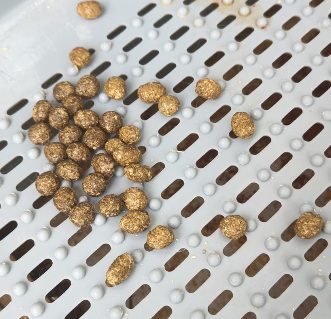 | Ever wonder why bunny beans are affectionately called “gardener’s gold”? Those little poopies are more than something to sweep out of the litter box. Rabbit manure contains organic matter and plant nutrients that can be returned to the soil, making it a useful organic fertiliser for the home garden. |
Its exact composition varies with the rabbit’s diet, hydration, bedding, and how the manure is collected and stored, but a typical pellet contains several things that plants and soil can put to good use:
- Fibrous Organic Matter: Rabbit pellets contain partially digested plant material, including residues from hay, grasses, and leafy foods. As this material decomposes, it contributes organic matter to the soil and supports ongoing nutrient cycling.
- Plant Nutrients: Rabbit manure contains nitrogen, phosphorus, potassium, calcium, and other minerals. These nutrients are released progressively as the organic material breaks down. The actual nutrient concentration varies between batches, so rabbit manure is better thought of as a variable organic fertiliser than a precisely balanced NPK product.
- Moisture: Fresh pellets contain water, although their relatively dry, compact form makes rabbit manure considerably easier to handle than many wetter animal manures.
- Microorganisms: Like other animal faeces, rabbit manure contains microorganisms from the digestive tract and environment. These contribute to decomposition and nutrient cycling, but they should not automatically be described as universally “beneficial” or harmless.
In other words, a bunny pellet is essentially a small package of organic matter and recycled plant nutrients.
Benefits of Rabbit Poop When Used as Fertiliser
1. It Adds Organic Matter to the Soil
Rabbit manure doesn’t simply provide nutrients. Its organic material contributes to the soil as it decomposes, supporting soil structure, moisture management, and microbial activity. This can be particularly useful in garden beds and containers where organic matter is regularly depleted or broken down.
2. It Provides a Range of Plant Nutrients
Rabbit manure supplies nitrogen, phosphorus, potassium, calcium, and other minerals. These nutrients support different aspects of plant growth, from leafy development and root function to water regulation and overall plant metabolism. The nutrient content isn’t identical from one rabbit to another, so don’t think of bunny poop as a perfectly formulated fertiliser. Think of it as a natural, variable nutrient source that works alongside the rest of your soil-management system.
3. It Can Often Be Used Without Months of Composting
This is one of rabbit manure’s biggest practical advantages. Because clean rabbit pellets are relatively mild compared with many fresh animal manures, they can often be incorporated directly into suitable garden soil rather than being aged for months simply to prevent fertiliser burn. That doesn’t mean you should pile huge quantities around a plant. As with any fertiliser:
- More is not necessarily better.
- Excessive manure can contribute too many nutrients or salts and may create nutrient imbalances.
4. It Breaks Down Gradually
Rabbit pellets are compact and contain fibrous organic material, so their nutrients are not necessarily released all at once. As the manure and its organic components decompose, nutrients become available to plants through normal soil processes. This makes rabbit manure useful as part of a broader slow nutrient-cycling system, rather than acting like a sudden dose of soluble fertiliser.
5. It’s Convenient for Rabbit Households
Rabbit manure has a very practical advantage: you already have a steady supply. Clean, dry pellets are relatively easy to collect, store, transport, and incorporate into garden soil. Compared with wetter manures, they are also generally much less troublesome to handle. That makes them particularly convenient for:
- Balcony gardens
- Herb pots
- Flower beds
- Vegetable gardens
- Home compost systems
- Small-scale rabbit gardens
No farm required. No giant manure pile required. Just a bunny doing what bunnies do best.
6. It Turns a Waste Product Into a Garden Resource
Perhaps the best benefit is simply that something normally treated as waste can be returned to the soil. Instead of throwing every clean pellet away, rabbit owners can recycle some of the nutrients their rabbits have consumed back into the growing system.
Hay and plants → Bunny → Bunny beans → Garden → Plants
It is a wonderfully simple little loop.
A Small but Important Reminder
Rabbit manure can be excellent fertiliser without being microbiologically sterile. Those are two separate questions. Does rabbit poop contain nutrients and organic matter that can benefit soil? Yes. Does rabbit poop contain absolutely no microorganisms or potential pathogens? No.
For ordinary garden use, clean rabbit pellets can often be incorporated into suitable soil. For rabbit-food gardens, avoid placing fresh manure directly onto edible leaves, prevent rabbits from foraging through freshly fertilised beds, and wash harvested greens thoroughly before feeding.
And when manure comes from sick, foster, quarantined, or otherwise uncertain-source rabbits, the biosecurity considerations become more important. That’s where separation and appropriate composting or conservative non-edible use make sense.
First Things First: Rabbit Poop Can Go in the Garden?
Let’s get the biggest question out of the way.
Can you put fresh rabbit poop directly into soil?
For many ordinary garden situations, yes.
Clean, dry rabbit pellets can generally be incorporated into suitable garden soil. They can be used around ornamental plants and other established garden plants without needing to be composted first.
Rabbit manure is often considered a relatively mild manure compared with some fresh animal manures, so you don’t necessarily have to wait months before using every pellet your rabbit produces.
The important distinction is that direct application is a gardening practice, not a disinfection process.
Putting rabbit poops into soil doesn’t guarantee that microorganisms, parasites, or other biological contaminants have been eliminated.
That matters more when:
- You’re growing food specifically for rabbits.
- You’re using large quantities of manure.
- The manure is mixed with litter.
- You have multiple rabbit groups.
- The manure comes from a foster or newly arrived rabbit.
- The rabbit’s health or exposure history is uncertain.
For a healthy house rabbit producing a small amount of clean, dry poop?
You can keep it wonderfully simple.
Which Bunny Gardener Are You?
Not every bunny garden needs the same level of care. Find the approach that fits your household setup!
A couple of pots on a balcony are very different from a large forage garden serving several rabbit groups. Your safety routine should reflect the situation rather than making every hobby gardener follow commercial-farm protocols.
The Casual Bunny Gardener
“I have a few pots because I thought it would be fun.”
This is probably most rabbit parents. You might have:
- A pot of wheatgrass
- Some coriander or dill
- A few herbs
- A couple of edible flowers
- A small balcony planter
Your priorities are simply:
- Know exactly what you’re growing.
- Use clean, suitable growing medium.
- Avoid pesticides and unknown chemical treatments.
- Use clean water.
- Keep cats, rodents, and other animals from contaminating edible plants.
- Keep rabbit toilets away from edible growing areas.
- Wash harvested greens before serving.
Rabbit manure: Clean, dry pellets can generally be used directly in suitable garden soil. You do not have to compost every bunny poop before it touches a flower pot.
Your Goal: Keep it clean, keep it simple, and enjoy your little bunny garden.
The Serious Hobby Gardener
“Okay, I have somehow acquired 20 pots and I’m growing half my bunny’s salad.”
At this point, your garden is becoming a proper little forage project. You might be:
- Growing several types of herbs and grasses.
- Producing greens regularly.
- Maintaining raised beds or larger planters.
- Collecting rabbit manure specifically for gardening.
- Composting hay, bedding, and other suitable organic material.
- Growing enough forage that garden hygiene deserves a little more attention.
It becomes worthwhile to pay attention to:
- Manure handling & composting
- Soil hygiene & garden tools
- Water sources & animal access control
- Separation between toilet and growing areas
- Preventing repeated contamination of the same growing medium
Rabbit manure: Direct application of clean pellets may still be appropriate for suitable plants, but composting becomes a useful option when you’re handling larger quantities or mixed litter.
Your Goal: Build a garden that is easy to maintain, productive, and consistently clean.
Manure Hygiene, Rabbit Poop & Pathogen Facts
Using rabbit poop as a fertiliser requires strict hygiene protocols. Pathogen survival depends heavily on waste composition, environmental persistence, and how rabbit poop is processed.
The Multi-Rabbit, Foster or Rescue Gardener
“My garden is now part of the household biosecurity plan.”
This is where things change. If you have:
- Multiple rabbit groups
- Foster rabbits
- Newly arrived rabbits
- Quarantine areas
- Rabbits with unknown health histories
- Outdoor rabbits
- Shared equipment between rabbit groups
…then manure, litter, soil, equipment, footwear, and other materials can become potential pathways for transferring infectious organisms. At this level, be more conservative. Consider:
- Keeping waste from different rabbit groups separate.
- Not using foster or quarantine waste on rabbit-edible crops.
- Separating litter equipment and garden equipment.
- Washing hands between handling waste and edible plants.
- Keeping footwear and equipment from contaminated areas away from forage gardens.
- Preventing wildlife and other animals from accessing growing areas.
- Using properly managed compost when processing larger quantities of rabbit waste.
- Using manure from uncertain sources only for non-edible plants where appropriate.
- Discussing relevant vaccination and biosecurity measures with your rabbit-experienced veterinarian.
This is where organisms such as Eimeria spp., Passalurus ambiguus, Encephalitozoon cuniculi, and rabbit haemorrhagic disease viruses become more relevant.
Your Goal: Treat the garden as another part of your household biosecurity system.
Multi-Bunny & Foster Household Risks
Managing multiple rabbits or a foster rotation introduces cross-contamination vectors that demand a conservative approach:
- Coccidiosis (Eimeria spp.): Strictly fecal-oral and exceptionally hardy. Oocysts can remain a contamination concern for a year or longer under favorable moist conditions, making it a major issue in multi-rabbit and rescue settings.
- Pinworms (Passalurus ambiguus): Fecal-oral parasites with environmentally resistant eggs. Though generally low in pathogenicity, they are persistent nuisances to manage once established.
- Rabbit Hemorrhagic Disease Virus (RHDV/RHDV2): Highly contagious and potentially fatal, with considerable environmental persistence under favorable conditions. The virus can be transported on contaminated fur, clothing, footwear, equipment, food, and other fomites. Newly arrived fosters of unknown vaccination and exposure history represent a potentially important biosecurity risk for introducing RHDV.
- General Enteric Bacteria: Organisms like Salmonella, E. coli, and Clostridium spp. may survive if composting conditions are inadequate.
The Golden Rule for Multi-Bunny Homes: Never use droppings or litter from a foster or newly arrived rabbit in a garden where resident rabbits forage. Keep manure sourcing completely separate between social groups. When the health or exposure history of the source rabbit is uncertain, use the material only for non-edible plants rather than relying on prolonged curing as a guarantee of safety. Discuss appropriate RHDV vaccination and biosecurity protocols with your veterinarian if you maintain a steady foster intake.
The Realities of E. cuniculi and Composting
- Transmission Dynamics: Encephalitozoon cuniculi spores are shed mainly through urine, though feces also carry detectable spores.
- The Mixed Litter Pathway: “Rabbit poop” collected for compost is rarely pure dry pellets; it is typically litter-box waste consisting of pellets sitting in urine-soaked hay or bedding. This mixed material can carry both faecal and urinary contamination into the composting system.
- The Composting Catch: Pathogen reduction requires controlled thermophilic composting, with the required temperature and exposure time depending on the composting method. Small home bins, balcony tumblers, or droppings piled in a pot compost at ambient temperature instead, meaning passive home composting does not automatically eliminate spores.
- Subclinical Infection: Seroprevalence in asymptomatic pet rabbits is high in surveyed populations, meaning a healthy appearance does not rule out infection.
Rabbit Manure: What You Need to Know Before Using It
A practical guide for gardeners and rabbit parents
Fresh Pellets vs. Litter-Box WasteA clean, dry rabbit pellet is not the same thing as an entire litter box. Litter-box waste can contain faeces, urine, wet hay, bedding, uneaten food, hair, and other organic debris.
Cleaner manure = simpler handling. Messier litter = composting. | Should You Rinse Rabbit Poop?Rinsing sounds like it should make manure cleaner, but you don’t need to rinse ordinary clean pellets. If they are mixed with urine, a gentle rinse can remove excess salts before composting.
No need to wash every individual bunny bean! | Does It Need Composting?No — not automatically. Rabbit manure can be used directly around ornamental and established garden plants without waiting months. Composting is ideal to:
Think of composting as a beneficial option, not a mandatory ceremony. |
How to Compost Rabbit Poop
A sensible 6-step approach to building a healthy compost pile
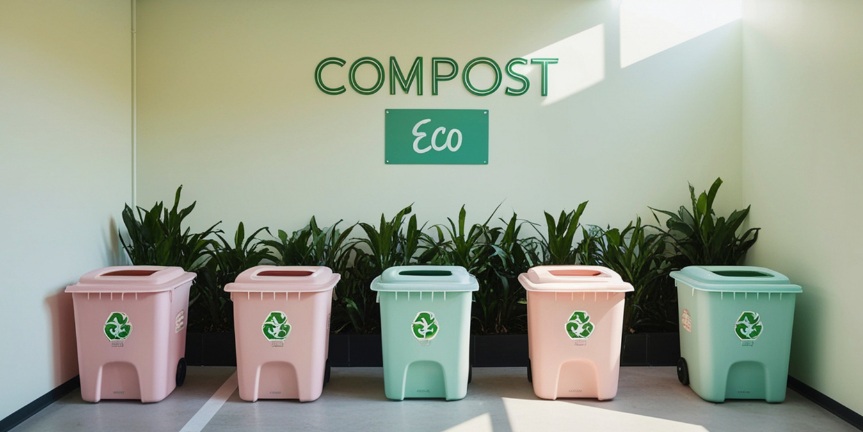
Step 1 Separate the MaterialStart with clean dry pellets or litter-box waste. Remove plastics, synthetic materials, treated matter, and other pet waste. Keep foster or quarantine rabbit waste separate. | Step 2 Add Carbon-Rich MaterialsBalance nitrogen-rich manure with dry leaves, untreated straw, or shredded cardboard. Aim for a balanced, moist, and well-aerated mix rather than a mathematical formula. | Step 3 Get the Moisture RightKeep compost moist but not waterlogged. Think of a wrung-out sponge—too dry slows microbial activity, while too wet limits necessary oxygen. |
Step 4 Keep It AeratedComposting is an aerobic process. Turn or aerate the pile to supply oxygen, preventing anaerobic conditions and supporting healthy temperature spikes. | Step 5 Let It Get HotTarget 55°C or higher for pathogen reduction. Use a compost thermometer; turning ensures the whole pile gets treated evenly rather than just the center. | Step 6 Let It MatureAllow finished compost to stabilise into a dark, crumbly, earthy amendment. Remember that maturation stabilizes organic matter but is not a sterilization process. |
Where Should Rabbit-Manure Fertiliser Be Used?
This is where the source of the manure and the destination of the manure come together.
| 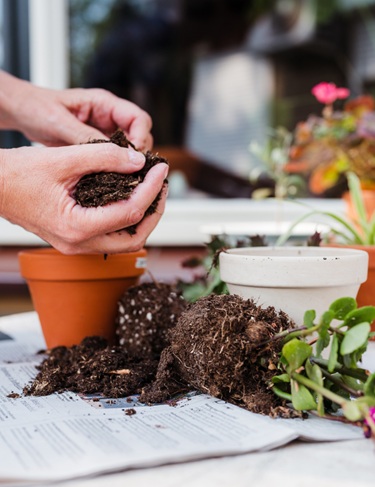 |
For rabbit-edible plants, apply manure or finished compost to the soil rather than directly onto leaves or other edible portions.
And don’t let rabbits forage directly through freshly fertilised soil.
When in Doubt, Discard
Do not feed garden produce if it has been visibly contaminated with faeces, urine, unknown chemicals, mould, or animal carcasses. Discard produce that has been exposed to a suspected pesticide application or cannot be confidently identified as clean and untreated. Washing cannot reliably reverse every type of biological or chemical contamination.
Safe Plants vs. Dangerous Weeds
Knowing your flora inside and out prevents accidental poisonings. The following lists highlight commonly grown choices and plants to exclude unless positively identified and confirmed safe. For comprehensive details on hazardous flora, visit the Singapore Rabbit Care Dangerous Home Plants & Weeds Guide.
Commonly Grown Rabbit-Safe Choices
Basil, cilantro, dill, mint, oregano, parsley, rosemary, thyme.
Calendula, chamomile, hibiscus, rose petals (thornless), sunflowers.
Carrot tops, wheatgrass, oat grass, leafy lettuces (romaine, green leaf).
Plants to Exclude Unless Positively Identified
Daffodils, tulips, hyacinths, and true lilies.
Buttercups, ivy species, ragwort, hemlock, and nightshade species (such as Solanum). Unidentified weeds should never be fed unless positively identified.
Azaleas, oleander, specific toxic privet species, yew.
Establishing a Clean Growing Sanctuary
Integrating companion planting into your garden setup can be a helpful horticultural practice, though aromatic herbs like mint and rosemary are best kept in dedicated hanging baskets to keep them safe from curious paws until harvest. Always source your initial seeds or seedlings from reputable suppliers to ensure healthy growth. | 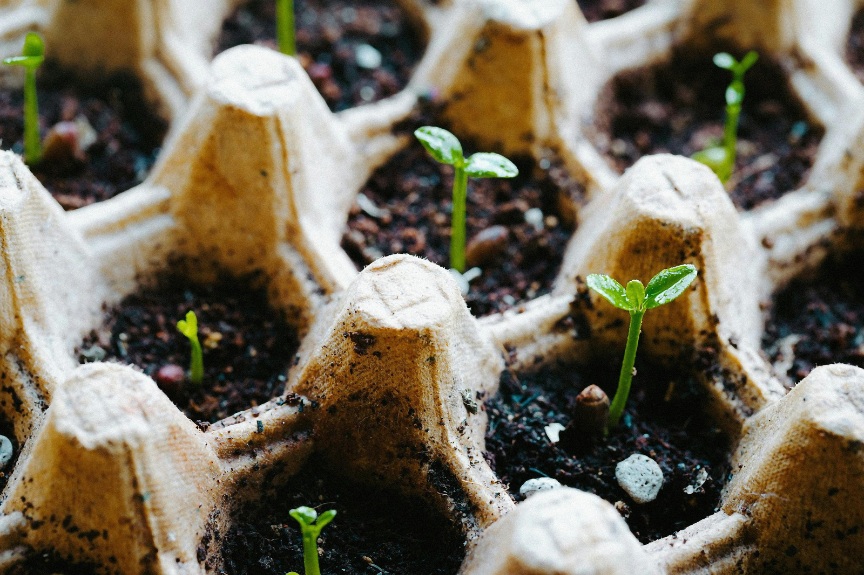 |
Pro-Tip
If you are ever unsure whether a stray weed or a new plant cutting is safe for your rabbits, err on the side of caution. When it comes to lagomorph nutrition, a hesitant “no” is always safer than an accidental emergency vet visit.
Important Disclaimer
This article is provided for educational and general husbandry purposes only. It is not veterinary advice, a diagnosis, or a substitute for professional veterinary care.
Oishi Bunnies does not guarantee that any gardening, composting, foraging, or sanitation practice described in this article will prevent illness or contamination. When there is uncertainty, choose the more conservative option and seek professional veterinary guidance.
Taking your bunny outdoors?
A rabbit-safe garden is only one part of outdoor safety. Before giving your bunny access to yards, balconies or outdoor spaces, learn how to manage environmental hazards, predators, parasites and tropical-weather risks.
Is your bunny’s entire environment safe?
Garden safety is only one piece of responsible rabbit-proofing. Bring the same safety-first approach indoors and create a home where your rabbit can explore, forage and play with fewer preventable hazards.
FAQ: Rabbit Manure, Compost & Garden Safety
1. Can I put fresh rabbit poop directly onto my plants?
+
Yes, clean rabbit pellets can generally be incorporated directly into suitable garden soil. Rabbit manure is relatively mild compared with many fresh animal manures, although application rates still matter.
For plants grown specifically as rabbit food, take a more conservative approach: avoid placing fresh manure directly on edible leaves, prevent rabbits from foraging through freshly fertilised soil, and wash harvested greens thoroughly before feeding.
Direct application is a fertilising practice, not a disinfection method.
2. Is rabbit poop safe because rabbits only eat plants?
+
No. A herbivorous diet does not make rabbit faeces pathogen-free. Healthy-looking rabbits can carry organisms that are shed through urine or faeces, while contamination can also come from bedding, water, wildlife, or other animals.
3. Is rabbit poop better than rabbit litter for composting?
+
Generally, clean, dry pellets are the simplest material to handle.
Litter-box waste may contain urine, bedding, hay, faecal material, uneaten food, hair, and other organic debris. It can still be composted, but it creates a more complex and wetter compost mixture.
4. Does rabbit poop need to be composted first?
+
No. Clean pellets can often be used directly in suitable garden soil.
Composting becomes particularly useful when you’re dealing with large quantities, urine-soaked bedding, mixed litter, or material that needs additional processing before garden use.
5. How long should rabbit poop compost or sit before I use it?
+
There is no universal number of weeks or months that guarantees safety.
Decomposition depends on temperature, moisture, aeration, material composition, composting method, and the organisms present. If pathogen reduction is the goal, controlled composting with appropriate time-temperature exposure is more meaningful than simply leaving manure in a bucket or pile for a set period.
6. Should I rinse rabbit poop before composting?
+
Not routinely.
If pellets are heavily mixed with urine-soaked material, a gentle rinse may remove some soluble urine components, salts, and nitrogen-rich residue before composting. However, rinsing is a preparation step, not a pathogen-control method.
It does not reliably eliminate spores, parasite stages, or other infectious organisms, and it creates contaminated wastewater.
You definitely don’t need to wash every individual bunny bean.
7. Can I put rabbit poop in a worm bin?
+
Yes. Clean rabbit manure can be used as an organic input for suitable vermicomposting systems.
However, vermicomposting should not automatically be treated as a pathogen-elimination process. If the finished material is intended for a rabbit-food garden, controlled thermophilic composting provides a more appropriate pathogen-reduction step.
8. Can I compost rabbit poop in a flower pot or bucket?
+
Organic material can decompose in a container, but a small pot or bucket should not be assumed to achieve controlled thermophilic composting.
If pathogen reduction is important, use a properly managed compost system capable of reaching and maintaining appropriate temperatures throughout the material.
9. Does drying or sun-drying rabbit poop make it safe?
+
No.
Drying reduces moisture and can make manure easier to handle, but it does not guarantee elimination of pathogens or parasites.
Sunlight and environmental exposure may reduce the survival of some microorganisms over time, but exposure is inconsistent. Material beneath the surface may receive little sunlight, so sun-drying should not be treated as a validated disinfection method.
10. Does freezing kill pathogens in rabbit manure?
+
Not reliably.
Some microorganisms can survive freezing and remain viable after thawing. Freezing should therefore not be used as a manure-disinfection method.
11. Can I boil, bake, or microwave rabbit poop to make it safe?
+
I wouldn’t recommend any of these as household disinfection methods.
Although sufficient heat can destroy microorganisms, heating a mass of manure in a kitchen appliance does not provide a simple, validated way to ensure uniform temperature and exposure throughout the material.
Microwaves can produce uneven heating, while household ovens and boiling setups introduce unnecessary handling, odour, contamination, and practical problems.
If a kitchen appliance is required to make your rabbit’s poop “safe”, it’s probably better suited to the kitchen than the compost pile.
12. Can I use rabbit manure for herbs and vegetables my rabbit eats?
+
Yes, edible plants can be grown in properly managed, compost-amended soil.
The important distinction is soil amendment versus direct contact with the edible plant. Avoid applying fresh manure directly to edible leaves, prevent rabbits from accessing freshly fertilised beds, and wash harvested greens thoroughly under running water before feeding.
For the most conservative approach, use properly processed compost for rabbit-food gardens.
13. Can I use rabbit urine as garden fertiliser?
+
Rabbit urine contains nutrients, particularly nitrogen, but concentrated urine can be too strong for some plants and is more difficult to manage hygienically than clean dry pellets.
It should not be treated as a disinfected fertiliser. Avoid applying raw urine directly to edible leaves or allowing rabbits to contact freshly treated areas.
For a casual garden, rabbit pellets are usually the simpler option.
14. Can I use manure from a sick rabbit?
+
Not automatically.
If infectious disease, significant diarrhoea, a known parasite infection, or another health problem is suspected, keep the manure out of rabbit-food gardens.
When the health or exposure history is uncertain, the conservative approach is to keep the material separate and use it only for non-edible plants, or follow veterinary/public-health guidance where appropriate.
15. Can I use poop from a foster or quarantine rabbit?
+
During quarantine, or while the foster rabbit’s health and exposure history is uncertain, keep its manure completely separate from resident-rabbit waste.
Do not introduce it into gardens where resident rabbits forage. This is particularly important when rabbits from different households or environments are being managed together.
16. Does vaccination make rabbit manure safe?
+
No.
Vaccination reduces the risk of specific diseases but does not make manure sterile. Vaccination and manure biosecurity address different risks.
17. What if my rabbit eats compost?
+
Prevent rabbits from accessing active compost piles, manure storage areas, and freshly fertilised soil.
Compost can contain microorganisms, moulds, decomposing organic matter, and other substances that are inappropriate for free-choice rabbit consumption.
If a rabbit has eaten an unknown substance from a compost pile—particularly if it may contain toxic plants, chemicals, mouldy material, or animal waste—contact a rabbit-experienced veterinarian.
18. What is the safest option if I don’t have a proper compost system?
+
That’s completely fine.
If you’re a casual gardener with a healthy rabbit and a few pots, you may not need a compost system at all. Clean rabbit pellets can generally be used appropriately in garden soil, or simply disposed of through your normal waste system.
If you’re dealing with large quantities of mixed litter or manure from rabbits with an uncertain health history, don’t improvise a disinfection method. Keep the material separate and use a properly managed composting system or choose non-edible garden applications.
19. What is the simplest rule to remember?
+
Think about three things:
- Clean pellets + healthy rabbit → direct garden use is often practical.
- Lots of manure or mixed litter → composting is useful.
- Uncertain health history or biosecurity concern → keep it separate and don’t use it in the rabbit-food garden.
Rabbit manure can be an excellent garden resource. The goal isn’t to treat every bunny bean like hazardous waste — it is to match the level of processing to the material and the way you intend to use it.
About This Guide & Oishi Bunnies
This guide brings together practical rabbit-care experience with established principles of botany, food hygiene, composting, parasite control, infectious-disease biosecurity, and environmental safety. We take a deliberately cautious approach to manure, garden contamination, plant identification, and outdoor exposure because a plant can be perfectly edible in itself while becoming unsuitable through contaminated soil, untreated manure, chemical exposure, or contact with animal waste.
We also recognise the limits of home gardening and general husbandry advice. No household composting method, washing routine, garden arrangement, or plant list can guarantee absolute safety. Where risks involve infectious disease, suspected poisoning, chemical exposure, or an individual rabbit’s health, veterinary assessment takes priority.
Our goal is not to discourage responsible foraging or home growing. It is to help rabbit guardians make better-informed decisions about what their rabbits eat, where it is grown, and how it is handled.

Oishi Bunnies is a Singapore-based rabbit care and artisan rabbit bakery brand with a strong focus on rabbit welfare, enrichment, nutrition, and practical everyday husbandry. Our educational content is developed with the welfare of companion rabbits in mind and is reviewed for scientific accuracy and responsible communication.