
 Pro-Tip: Viewing on a phone? Select desktop mode or rotate to landscape for the best reading experience!
 Estimated Read Time: 7 Mins
Oishi Bunnies Herbal Atlas
Echinacea
Echinacea purpurea, Echinacea angustifolia & Echinacea pallida
Welcome to the Oishi Bunnies Herbal Atlas. Here, we explore Echinacea as forage, traditional herbal remedy and a fascinating source of plant chemistry—bringing together its long history of herbal use, modern phytochemical research and what may be relevant to the rabbits who share our homes.
Walk into a health-food shop and you’ll find it in teas, capsules, tinctures, lozenges and herbal formulas. Its reputation is closely tied to immune health, particularly during periods of respiratory illness. That reputation didn’t begin with supplement companies: several North American Echinacea species have a substantial Indigenous ethnobotanical history, followed by more than a century of use in Western herbal medicine.
Created by Cookie Yiyi—rabbit rescuer, fosterer of rehabilitated buns, guardian to resident house rabbits, and passionate organic balcony gardener—the Atlas pairs careful research with years of lived sanctuary experience.
Educational Notice:
Herbal profiles are provided for botanical learning and enrichment. They do not replace professional veterinary diagnosis, treatment, or prescription medication. If your rabbit is unwell, please seek appropriate veterinary care.
The Verdict
Can rabbits eat Echinacea?
Correctly identified, clean Echinacea can be included in a varied botanical diet for healthy adult rabbits. The leaves and flowers are the easiest parts to incorporate into forage, while dried root offers a different phytochemical profile and can be used in smaller amounts.
The three species most relevant to herbal practice are:
- Echinacea purpurea
- Echinacea angustifolia
- Echinacea pallida
They are related, but they are not chemically identical.
This matters because the principal dietary rabbit studies used Echinacea pallida, whereas much of the wider phytochemical literature concerns E. purpurea, E. angustifolia, or preparations containing combinations of species.
Echinacea is particularly interesting because its traditional association with immune health is accompanied by modern evidence of immunomodulatory activity.
In one controlled rabbit feeding study, dietary E. pallida significantly increased phagocytic activity—part of the innate immune system—although several other immune, blood and growth measurements did not significantly change.
That’s not a disappointing result. It’s actually a rather useful one.
The immune system isn’t a single dial that simply turns “up” or “down.” Different pathways can respond differently to the same botanical compounds.
Herb at a Glance
| Botanical name | Echinacea purpurea (purple coneflower) |
| Family | Asteraceae |
| Commonly used parts | Leaves, stems, flowers and roots; phytochemical profiles vary considerably by plant part |
| Rabbit suitability | Suitable as an occasional botanical forage for healthy adult rabbits when correctly identified, cleanly sourced and introduced gradually |
| Notable constituents | Alkamides, caffeic acid derivatives including chicoric acid, polysaccharides, glycoproteins and structural fibre |
| Taste profile | Earthy and mildly bitter; alkamide-rich material, particularly root, may produce a characteristic tingling sensation |
| Main practical notes | Offer in modest amounts as part of a varied herb rotation. Introduce gradually and avoid plants treated with systemic pesticides or other unsuitable garden chemicals |
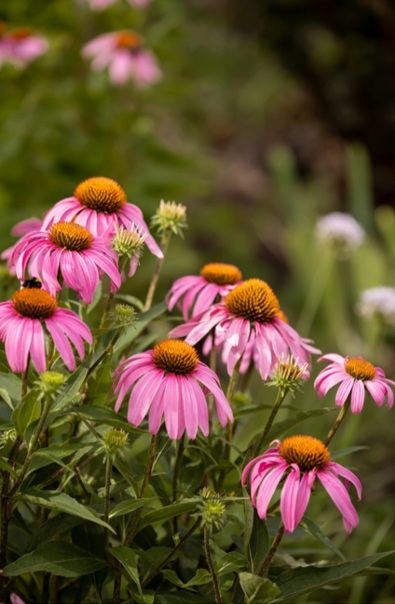
Echinacea purpurea
Why Offer Echinacea?
If Echinacea were chemically uninteresting, it could still earn a place in a rabbit’s forage bowl simply by providing another plant to smell, investigate, nibble and choose from.
But Echinacea gives us more to talk about.
Botanical Variety
A rabbit eating an appropriately varied plant diet encounters different textures, aromas, fibres and plant secondary compounds.
That diversity is part of what makes botanical feeding interesting.
Echinacea can be scattered through hay, combined with other rabbit-appropriate herbs or offered individually during introduction so you can see whether your rabbit actually likes it.
Not every bunny will. They weren’t consulted by the marketing department.
Foraging & Behaviour
Dried leaves and flowers work particularly well as forage enrichment because small pieces disappear beautifully through hay.
That encourages sniffing, searching and selective feeding rather than presenting every interesting food in a bowl.
Fresh home-grown Echinacea offers another sensory experience entirely.
Phytochemical Interest
Echinacea contains several groups of compounds that have attracted considerable pharmacological interest.
Alkamides — particularly important in roots and many alcohol-soluble preparations.
Caffeic-acid derivatives — including chicoric acid, caftaric acid, cynarin and echinacoside, with substantial differences between species and plant parts.
Polysaccharides and glycoproteins — investigated particularly in relation to macrophage and immune activity.
Other phenolic compounds — contributing to the broader phytochemical profile of the plant.
These compounds do not turn a leaf into a pharmaceutical drug.
But nor does calling something “forage” make its chemistry disappear.
Both things can be true at once.
Direct Rabbit Research
This is where Echinacea becomes particularly interesting for the Atlas.
Researchers have studied dietary Echinacea pallida in both growing rabbits and breeding does.
In growing rabbits, supplementation increased phagocytic activity, although several other immune, blood and growth outcomes did not significantly improve.
A separate study in does did not find significant improvements in reproductive performance or the immune and blood parameters examined.
Older experimental work using E. purpurea preparations also reported changes in leukocytes, lymphocytes and phagocytosis, although those preparations were administered experimentally rather than eaten as ordinary forage.
So Echinacea has demonstrated biological activity in rabbits.
What we don’t yet have is a companion-rabbit clinical protocol telling us exactly how much whole Echinacea to use for a particular illness.
Those are two different questions.
Edible Anatomy
| Plant Part | Rabbit Guidance |
|---|---|
| Leaves | One of the easiest parts to use as botanical forage. Suitable fresh or properly dried and easy to scatter through hay or include in an herb rotation. |
| Flowers | The colourful ray florets and flower head can be offered fresh or dried. The central disc becomes increasingly firm and bristly as the flower matures, so softer material may be more appealing. |
| Tender stems | May naturally accompany harvested leaves and flowers. Suitable as part of the aerial herb, although older stems become coarse, hairy and less palatable. |
| Roots | An established herbal material with a phytochemical profile distinct from the aerial parts. Clean, correctly identified dried root can be offered in smaller amounts as botanical variety. |
| Mature seed head | Tough and prickly once mature, with little practical advantage over softer plant material for rabbit forage. Home growers may prefer to leave some heads for natural reseeding and wildlife. |
Whole root ≠ concentrated root extract.
Echinacea root has an important place in herbal practice and can contain notable concentrations of alkamides and caffeic-acid derivatives, depending on species. Dried whole root, however, is not chemically equivalent to a tincture or concentrated extract. Extraction selectively changes which constituents—and how much of them—reach the final preparation.
Meet the Plant
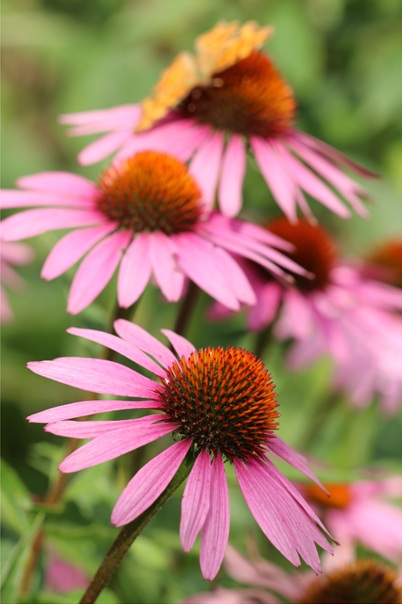
If you’ve ever looked at an Echinacea flower and thought the middle looked slightly hostile, botanists noticed too. The name Echinacea comes from the Greek echinos, meaning hedgehog or sea urchin—a reference to the plant’s distinctive spiky central cone. Echinacea belongs to the Asteraceae, the enormous plant family that also includes daisies, sunflowers and dandelions. What appears to be one flower is actually a capitulum: an entire community of tiny flowers packed together. The colourful “petals” are ray florets, while the raised centre contains numerous disc florets. Field identification checklist:
|
Echinacea purpurea — pink-purple ray florets surrounding the characteristic raised central disc |
Don’t Identify Echinacea by Purple Petals Alone
Purple petals and a raised centre are useful clues, but they are not an identification certificate. Echinacea belongs to the enormous Asteraceae family, and several ornamental plants can look superficially similar. Look at the complete combination of growth habit, leaves, stems, ray florets and central disc—and remember that E. purpurea, E. angustifolia and E. pallida are separate species. This matters particularly when interpreting herbal products and research, because the species are not phytochemically identical.
Botanical identification references:
NParks Flora & Fauna Web
and
Kew Plants of the World Online.
Nutritional Profile — Echinacea for Rabbits
For this nutritional discussion, we’re focusing on Echinacea purpurea herb—the leafy aerial material most relevant to the dried Echinacea used in Oishi Bunnies’ forage and baking.
Echinacea is better known for its phytochemistry than for being a conventional nutritional forage plant. As a whole herb, however, E. purpurea still provides structural plant material and fibre alongside smaller quantities of protein, minerals and a diverse collection of naturally occurring phytochemicals.
For rabbits, its nutritional role is best understood as one small part of botanical variety rather than as a major source of any particular nutrient.
Fresh E. purpurea
Water-Rich
Fresh aerial material contains substantial water, meaning less dry plant matter per gram. Fresh leaves and flowers can also contribute to total dietary moisture intake.
Dried E. purpurea Herb
Concentrated Plant Matter
Cut-and-sifted dried herb retains the whole botanical material after most of its water has been removed. A small dried portion therefore represents considerably more plant matter than the same weight of fresh herb.
Echinacea Extract
Selectively Concentrated
Extraction is a different process entirely. Depending on the solvent and method, particular phytochemicals may be preferentially extracted while others remain behind.
Dried herb and herbal extract aren’t merely two strengths of the same thing.
Drying mainly removes water while retaining much of the whole-plant matrix. Extraction is different: it selectively pulls out particular compounds according to the solvent and process used. A rabbit nibbling dried E. purpurea herb is therefore experiencing a very different botanical preparation from a tincture or concentrated extract.
Macronutrients & Fibre
Like other herbaceous plant material, E. purpurea aerial herb contains structural carbohydrates and fibre alongside smaller quantities of protein, minerals and other plant constituents.
Exact composition can still vary with plant part, maturity, cultivation conditions, harvest timing and processing. A cut-and-sifted dried aerial herb should therefore be understood as a whole botanical ingredient rather than a standardised nutritional supplement.
Fresh vs Dried: Nutritional Origami
Drying does not magically manufacture fibre, protein or minerals. It removes water, so the same gram contains more plant solids.
Think of dried botanicals as nutritional origami: fold away the water, and a surprisingly large amount of plant material remains inside that innocent-looking pinch. Some phytochemicals may also change during drying, so fresh and dried E. purpurea are not chemically identical gram for gram.
Calcium & Phosphorus
There isn’t a sufficiently consistent, standardised calcium-to-phosphorus value for E. purpurea aerial herb that can sensibly be applied across different harvests, growing conditions and dried products.
So we don’t use Echinacea to deliberately manipulate a rabbit’s calcium or phosphorus intake.
It’s botanical variety—not mineral therapy.
The practical nutrition perspective:
Echinacea doesn’t need an impressive vitamin-and-mineral table to justify its place in a botanical rotation. Its interest lies in the combination of whole-plant fibre, sensory variety and a phytochemical profile that is considerably better studied than its conventional nutrient composition.
Nutrition tables are useful servants. They make dreadful dictators.
Oishi Evidence Profile
Assessment principle: These assessments describe the quality, depth and relevance of available evidence within each category. They are not assessments of overall safety, therapeutic effectiveness, or whether an herb is “good” or “bad” for rabbits.
| Category | Assessment | What We Can Say |
|---|---|---|
| Botanical Identification | Strong | A well-characterised genus with established taxonomy and detailed botanical descriptions. E. purpurea, E. angustifolia and E. pallida can be distinguished botanically, although correct species identification matters because they are not phytochemically identical. |
| Traditional Herbal History | Well documented | Exceptionally well documented. Several Echinacea species have long histories of medicinal use, beginning with Indigenous North American traditions and later becoming established in Western herbal practice. Species and plant parts have not always been used interchangeably. |
| Edibility / Food Use | Oral use documented; food use more limited | Echinacea has an established history of oral use and has also been incorporated into animal diets in feeding research. However, its literature is considerably more medicinal and supplement-focused than that of conventional leafy food plants, so food use and medicinal preparations should be kept conceptually separate. |
| Phytochemical Evidence | Extensive | Extensively studied. Major constituent groups include alkamides, caffeic acid derivatives, polysaccharides, glycoproteins and other phenolic compounds. Their concentrations and biological activity vary substantially with species, plant part, extraction method and preparation. |
| Rabbit-Specific Evidence | Direct, with mixed results | Direct rabbit research exists, which is notable for an herb commonly discussed in companion-rabbit care. Controlled dietary studies using E. pallida reported increased phagocytic activity in growing rabbits, while several other measured growth, blood and immune outcomes showed little or no significant change. A related study in rabbit does found no meaningful improvement in reproductive performance or the measured immune parameters. |
The Oishi Bunnies Read: Echinacea’s reputation as an “immune herb” is not pulled from thin air. Its chemistry is well studied, experimental immunological activity has been demonstrated, and—unusually for a herb discussed in rabbit care—there is direct rabbit research. But the results are nuanced. In growing rabbits, dietary E. pallida increased phagocytic activity without improving several other measured immune, blood or growth outcomes. For companion rabbits, the sensible interpretation is therefore neither “miracle immune booster” nor “just a plant”: Echinacea is an interesting botanical forage with genuine biological activity, best considered as part of a varied diet rather than as a substitute for veterinary medicine.
Botanical & Scientific Profile
Taxonomy: Echinacea belongs to the Asteraceae, or daisy family. Three species are especially prominent in herbal and pharmacognosy literature: Echinacea purpurea (purple coneflower), Echinacea pallida (pale purple coneflower), and Echinacea angustifolia (narrow-leaved purple coneflower).
They share a genus, but they are not chemically interchangeable. Species, plant part, growing conditions, harvest stage, processing and extraction method can all change the resulting phytochemical profile. Echinacea is therefore better understood as a complex botanical mixture than as a plant with one single “active ingredient.”
Key Phytochemical Groups
AlkamidesLipophilic compounds particularly associated with Echinacea roots and alcohol-soluble fractions. Alkamides have attracted considerable pharmacological interest for their interactions with inflammatory and immune signalling pathways, including effects involving cannabinoid receptors. | Caffeic-Acid DerivativesThis family includes chicoric acid, caftaric acid, chlorogenic acid and echinacoside, although their distribution differs between species and plant parts. Chicoric acid is particularly characteristic of E. purpurea and has demonstrated antioxidant and other biological activities in experimental systems. |
Polysaccharides & GlycoproteinsWater-soluble polysaccharides and glycoproteins are among the constituents investigated for immunomodulatory activity. Experimental work has explored their interactions with macrophages, phagocytosis and cytokine signalling—one reason Echinacea became such an interesting plant in immune research. | Flavonoids & Other PhenolicsFlavonoids and other phenolic compounds add another layer to Echinacea’s chemistry and contribute to its experimentally observed antioxidant activity. Their abundance varies with species, tissue, cultivation conditions and processing. |
Why this matters: Echinacea’s scientific interest comes from the interaction of multiple phytochemical groups, not from one magical molecule. The chemistry also helps explain why species, roots, aerial parts, teas, tinctures and concentrated extracts cannot automatically be treated as equivalent. Experimental activity tells us that these compounds are biologically interesting; whether that activity translates into a meaningful effect depends on the preparation, concentration, dose, metabolism and the animal receiving it.
Nutritional Profile — Echinacea for Rabbits
For this nutritional discussion, we’re focusing on Echinacea purpurea herb—the leafy aerial material most relevant to the dried Echinacea used in Oishi Bunnies’ forage and baking.
Echinacea is better known for its phytochemistry than for being a conventional nutritional forage plant. As a whole herb, however, E. purpurea still provides structural plant material and fibre alongside smaller quantities of protein, minerals and a diverse collection of naturally occurring phytochemicals.
For rabbits, its nutritional role is best understood as one small part of botanical variety rather than as a major source of any particular nutrient.
Fresh E. purpurea
Water-Rich
Fresh aerial material contains substantial water, meaning less dry plant matter per gram. Fresh leaves and flowers can also contribute to total dietary moisture intake.
Dried E. purpurea Herb
Concentrated Plant Matter
Cut-and-sifted dried herb retains the whole botanical material after most of its water has been removed. A small dried portion therefore represents considerably more plant matter than the same weight of fresh herb.
Echinacea Extract
Selectively Concentrated
Extraction is a different process entirely. Depending on the solvent and method, particular phytochemicals may be preferentially extracted while others remain behind.
Dried herb and herbal extract aren’t merely two strengths of the same thing.
Drying mainly removes water while retaining much of the whole-plant matrix. Extraction is different: it selectively pulls out particular compounds according to the solvent and process used. A rabbit nibbling dried E. purpurea herb is therefore experiencing a very different botanical preparation from a tincture or concentrated extract.
Macronutrients & Fibre
Like other herbaceous plant material, E. purpurea aerial herb contains structural carbohydrates and fibre alongside smaller quantities of protein, minerals and other plant constituents.
Exact composition can still vary with plant part, maturity, cultivation conditions, harvest timing and processing. A cut-and-sifted dried aerial herb should therefore be understood as a whole botanical ingredient rather than a standardised nutritional supplement.
Fresh vs Dried: Nutritional Origami
Drying does not magically manufacture fibre, protein or minerals. It removes water, so the same gram contains more plant solids.
Think of dried botanicals as nutritional origami: fold away the water, and a surprisingly large amount of plant material remains inside that innocent-looking pinch. Some phytochemicals may also change during drying, so fresh and dried E. purpurea are not chemically identical gram for gram.
Calcium & Phosphorus
There isn’t a sufficiently consistent, standardised calcium-to-phosphorus value for E. purpurea aerial herb that can sensibly be applied across different harvests, growing conditions and dried products.
So we don’t use Echinacea to deliberately manipulate a rabbit’s calcium or phosphorus intake.
It’s botanical variety—not mineral therapy.
The practical nutrition perspective:
Echinacea doesn’t need an impressive vitamin-and-mineral table to justify its place in a botanical rotation. Its interest lies in the combination of whole-plant fibre, sensory variety and a phytochemical profile that is considerably better studied than its conventional nutrient composition.
Nutrition tables are useful servants. They make dreadful dictators.
Traditional Use & Modern Scientific Understanding
Echinacea is a lovely example of why traditional herbal knowledge and modern science don’t need to spend their lives arguing across the room.
They can ask different questions about the same plant.
Traditional Practice
Echinacea has a particularly rich North American ethnobotanical history.
Different Indigenous peoples used different Echinacea species and plant parts in preparations associated with wounds, bites and stings, toothache, sore throats, respiratory complaints and other conditions.
Those practices weren’t one universal “Echinacea remedy.” They varied between peoples, regions, species, plant parts and preparation methods.
Echinacea later entered Western herbal practice and became particularly associated with infections, respiratory complaints and immune support.
It remains widely used today in contemporary herbal and complementary healthcare in teas, capsules, tinctures, fluid extracts and combination formulas.
That continuing use is part of Echinacea’s medicinal story. Modern science gives us another way of examining it.
Modern Scientific Understanding
Modern analysis has identified several major phytochemical groups in Echinacea, including alkamides, caffeic-acid derivatives such as chicoric acid and echinacoside, polysaccharides, glycoproteins and other phenolic compounds.
Their distribution varies substantially between species, roots and aerial tissues.
Experimental research has investigated Echinacea’s effects on inflammatory signalling, macrophage activity, phagocytosis and other immune pathways.
The term immunomodulatory is useful here. It recognises that a botanical can influence aspects of immune activity without pretending that the immune system has one giant ON switch labelled “BOOST.”
Where Tradition Meets Science
Interestingly, the traditional association between Echinacea and immune health has been followed by genuine experimental findings involving immune function.
That doesn’t mean every historical claim has been scientifically confirmed.
It means the plant gave researchers a question worth investigating—and some of the biology turned out to be interesting indeed.
What Happened in Rabbits?
In growing rabbits fed Echinacea pallida, researchers found significantly greater phagocytic activity in supplemented groups.
Several other outcomes—including growth, blood measurements and humoral response to RHDV vaccination—did not significantly improve.
In breeding does, dietary E. pallida did not significantly alter reproductive performance or the measured immune and blood parameters.
Older experimental work with E. purpurea preparations reported increased leukocytes, lymphocytes and phagocytic activity, particularly with root preparations. Those preparations were experimentally administered rather than eaten as ordinary forage.
Taken together, the rabbit literature gives us something valuable:
Evidence of biological activity, but not a finished therapeutic instruction manual.
That’s a perfectly respectable place for science to be.
A Note on Modern Chinese Herbal Interpretation
Echinacea is a North American medicinal plant rather than an herb inherited through classical Chinese materia medica.
It has nevertheless entered contemporary Chinese botanical, herbal and scientific literature. Chinese botanical databases recognise E. purpurea as 松果菊, with 紫锥菊 and 紫锥花 also used as common names, alongside records for E. angustifolia and E. pallida.
Some contemporary Chinese herbal sources have interpreted Echinacea through Traditional Chinese Medicine concepts involving herbal nature and flavour, meridian affiliation, dispersing wind-heat, clearing heat and resolving toxicity, reducing swelling and discomfort, and supporting the body’s protective vitality.
These are modern Chinese interpretations of an introduced medicinal plant, not descriptions inherited from classical Chinese herbals.
Traditional Chinese terminology and modern pharmacology describe health through different conceptual frameworks. That doesn’t make one framework meaningless. It simply means we shouldn’t force them into false one-to-one translations.
For example, “clearing heat and resolving toxicity” belongs to a traditional Chinese medical framework; it isn’t simply another phrase for a particular modern biochemical mechanism.
Modern Chinese descriptions of Echinacea are also not entirely consistent between sources, so the Atlas does not assign it a definitive classical TCM profile.
How This Applies to Rabbits
Echinacea brings together several unusually interesting layers of evidence: a substantial traditional medicinal history, well-characterised phytochemistry, experimental evidence of immunomodulatory activity and direct research in rabbits.
The rabbit findings are particularly useful because they show why “immune activity” is more complicated than simply boosted or not boosted. Some immune endpoints changed; others did not. Species, plant part, preparation, dose and route of administration all matter when interpreting those results.
Traditional use gives us the history. Phytochemistry tells us what’s in the plant. Experimental research shows us what it can do under particular conditions. Rabbit studies tell us what has actually been observed in rabbits. None of those layers needs to pretend to be the other.
Traditional Use & Modern Scientific Understanding
Echinacea is a lovely example of why traditional herbal knowledge and modern science don’t need to spend their lives arguing across the room.
They can ask different questions about the same plant.
Traditional Practice
Echinacea has a particularly rich North American ethnobotanical history. Different Indigenous peoples used different Echinacea species and plant parts in preparations associated with wounds, bites and stings, toothache, sore throats, respiratory complaints and other conditions.
Those practices weren’t one universal “Echinacea remedy.”
They varied between peoples, regions, species, plant parts and preparation methods. That distinction matters because E. purpurea, E. angustifolia and E. pallida are related plants, not chemically interchangeable versions of the same ingredient.
Echinacea later entered Western herbal practice and became particularly associated with infections, respiratory complaints and immune support. It remains widely used today in contemporary herbal and complementary healthcare in teas, capsules, tinctures, fluid extracts and combination formulas.
That continuing use is part of Echinacea’s medicinal story. Modern science gives us another way of examining it.
What Modern Phytochemistry Tells Us
Modern analysis has identified several major phytochemical groups in Echinacea, including alkamides, caffeic-acid derivatives such as chicoric acid and echinacoside, polysaccharides, glycoproteins and other phenolic compounds.
Their distribution varies substantially between species and between roots and aerial tissues. Chicoric acid is particularly prominent in E. purpurea, while other Echinacea species develop their own characteristic chemical fingerprints.
Plant part, maturity, growing conditions, harvest timing, drying, storage and extraction method can further change the phytochemical profile.
What Experimental Research Adds
Experimental research has investigated Echinacea’s effects on inflammatory signalling, macrophage activity, phagocytosis and other immune pathways.
Alkamides in particular have attracted interest for their activity in inflammatory signalling pathways, although the observed effects depend on the constituent, preparation and experimental model being studied.
Caffeic-acid derivatives and other phenolic compounds also contribute antioxidant activity in experimental systems, with chicoric acid particularly associated with E. purpurea.
These aren’t all the same biological effect—and that distinction becomes particularly important when we start talking about “immune support.”
Immune “Boosting” Is More Complicated Than It Sounds
The term immunomodulatory is useful when discussing Echinacea. It recognises that a botanical can influence particular aspects of immune activity without pretending that the immune system has one giant ON switch labelled “BOOST.”
Interestingly, the traditional association between Echinacea and immune health has been followed by genuine experimental findings involving immune function.
That doesn’t mean every historical claim has been scientifically confirmed. It means the plant gave researchers a question worth investigating—and some of the biology turned out to be interesting indeed.
What Happened in Rabbits?
This is where Echinacea becomes particularly interesting for the Herbal Atlas: we don’t have to rely entirely on human use, phytochemistry or studies in mice. Echinacea has actually been studied in rabbits.
In growing rabbits fed Echinacea pallida, researchers found significantly greater phagocytic activity in supplemented groups. Phagocytosis is part of innate immune defence: specialised cells engulf microbes, damaged cells and other material.
Several other outcomes—including growth performance, blood measurements and the humoral response to RHDV vaccination—did not significantly improve.
A related dietary study in breeding does likewise found no significant improvement in reproductive performance or the immune and blood parameters measured.
Older experimental work with E. purpurea preparations reported increases in leukocytes, lymphocytes, T lymphocytes and phagocytic activity, particularly with root preparations. Those preparations were experimentally administered rather than eaten as ordinary forage, so they answer a different pharmacological question from dietary feeding.
Taken together, the rabbit literature gives us something valuable:
Evidence of biological activity, but not a finished therapeutic instruction manual.
That’s a perfectly respectable place for science to be.
A Note on Modern Chinese Herbal Interpretation
Echinacea is a North American medicinal plant rather than an herb inherited through classical Chinese materia medica. It has nevertheless entered contemporary Chinese botanical, herbal and scientific literature.
Chinese botanical databases recognise E. purpurea as 松果菊, with 紫锥菊 and 紫锥花 also used as common names, alongside records for E. angustifolia and E. pallida.
Some contemporary Chinese herbal sources have interpreted Echinacea through Traditional Chinese Medicine concepts involving herbal nature and flavour, meridian affiliation, dispersing wind-heat, clearing heat and resolving toxicity, reducing swelling and discomfort, and supporting the body’s protective vitality.
These are modern Chinese interpretations of an introduced medicinal plant, not descriptions inherited from classical Chinese herbals.
Traditional Chinese terminology and modern pharmacology describe health through different conceptual frameworks. That doesn’t make one framework meaningless. It simply means we shouldn’t force them into false one-to-one translations.
For example, “clearing heat and resolving toxicity” belongs to a traditional Chinese medical framework; it isn’t simply another phrase for a particular modern biochemical mechanism.
Modern Chinese descriptions of Echinacea are also not entirely consistent between sources, so the Atlas does not assign it a definitive classical TCM profile.
How This Applies to Rabbits
Echinacea brings together several unusually interesting layers of evidence: a substantial traditional medicinal history, well-characterised phytochemistry, experimental evidence of biological activity and direct research in rabbits.
The rabbit findings are particularly useful because they show why immune activity is more complicated than simply “boosted” or “not boosted.” Some immune endpoints changed; others did not. Species, plant part, preparation, dose and route of administration all matter when interpreting those results.
Traditional use gives us the history. Phytochemistry tells us what’s in the plant. Experimental research shows us what it can do under particular conditions. Rabbit studies tell us what has actually been observed in rabbits. None of those layers needs to pretend to be the other.
Herb Profile
Rating principle: These ratings describe the quality, depth and relevance of available evidence within each category. They are not ratings of overall safety, therapeutic effectiveness, or whether an herb is “good” or “bad” for rabbits.
| Evidence Category | Rating | Why Echinacea Earns This Rating |
|---|---|---|
| Botanical Identification | ★★★★★ | The genus is well characterised botanically, with authoritative descriptions available for E. purpurea, E. angustifolia and E. pallida. Species identification matters because they are not phytochemically identical. |
| Traditional Herbal History | ★★★★★ | Echinacea has substantial North American Indigenous ethnobotanical history involving several species, plant parts and preparation methods, followed by more than a century of use in Western herbal practice. |
| Edibility / Food Use | ★★★★★ | Leaves, flowers and roots have established use as herbal materials, and the aerial herb can be offered as botanical forage. |
| Phytochemical Evidence | ★★★★★ | Alkamides, caffeic-acid derivatives, polysaccharides, glycoproteins and other constituents have been extensively investigated. Species, plant part, harvest, storage and extraction method all influence the final chemical profile. |
| Rabbit-Specific Evidence | ★★★☆☆ | Direct rabbit research exists, including controlled dietary studies with E. pallida and older experimental work with E. purpurea preparations. That’s unusually useful for an herbal profile, but the evidence base remains limited. |
What Has Actually Been Studied in Rabbits?
More than we can say for many herbs in the Atlas. Researchers have studied Echinacea in growing rabbits, breeding does and older experimental immunology work. But there is an important botanical wrinkle: the principal dietary studies used Echinacea pallida, while the older experimental work involved E. purpurea.
Growing Rabbits — Dietary Echinacea pallida
In a controlled 2016 feeding study, growing rabbits received diets containing 3 g of Echinacea pallida per kg of feed. Researchers examined growth performance, blood parameters and several measures of immune function, including response to RHDV vaccination.
Growth performance was not significantly improved, and the researchers did not find significant enhancement of the measured blood parameters or humoral immune response to vaccination.
One finding did stand out: phagocytic activity was significantly higher in the Echinacea-supplemented rabbits. Phagocytosis is part of innate immune defence, in which specialised cells engulf microbes, damaged cells and other material.
That mixed result is scientifically useful: one aspect of immune function changed while several others did not.
Breeding Does — A 21-Week Feeding Study
A related 2016 study followed 100 Grimaud rabbit does for 21 weeks. The experimental diet again contained 3 g of E. pallida per kg of feed.
Researchers examined reproductive performance together with haematological and immune measurements. Dietary Echinacea did not significantly improve reproductive performance, and no significant differences were detected in the immune and blood parameters examined.
Negative and neutral results matter too. They help define where an effect was—and wasn’t—observed.
Older Experimental Work — Echinacea purpurea
Older experimental research also examined preparations made from the aerial parts and roots of E. purpurea in rabbits.
The preparations were administered experimentally at 1 ml/kg rather than incorporated into the diet as ordinary forage. Root preparations were associated with increases in leukocytes, lymphocytes, T lymphocytes and phagocytic activity.
This is particularly relevant because E. purpurea is the species most relevant to the dried aerial herb discussed elsewhere in this Atlas entry. But the preparation and route of administration matter enormously.
An experimentally administered root preparation is evidence that the plant can have biological activity in rabbits. It is not the same exposure as a rabbit nibbling dried E. purpurea leaves and flowers.
Why the Species Difference Matters
The strongest controlled dietary rabbit evidence currently discussed here belongs to E. pallida. Oishi Bunnies, meanwhile, uses E. purpurea aerial herb.
That doesn’t make the E. pallida research irrelevant. The species are closely related and share several important phytochemical groups. But neither should we quietly change the name on the study and pretend the researchers fed E. purpurea.
Species matters when we follow the evidence.
The Oishi Bunnies Read: Echinacea has something we don’t get with every herb: substantial traditional use, well-developed phytochemistry and direct rabbit research pointing to genuine biological activity.
The evidence isn’t a tidy instruction sheet. The dietary studies used E. pallida; the older E. purpurea work used experimental preparations; and different immune measurements did not all move in the same direction. But that’s exactly why the research is interesting. It gives us evidence of biological activity without asking the science to say more than it actually does.
Growing Echinacea in Singapore
Purple coneflower (Echinacea purpurea) may be native to eastern North America, but it can be grown in Singapore. NParks records it as a perennial here, reaching roughly 0.6–1.5 metres tall and growing best in full sun, although it can tolerate light shade. The challenge isn’t keeping Echinacea warm—Singapore has that thoroughly covered. The greater concern is managing heavy tropical rain, persistent humidity and wet growing media around a plant that prefers good drainage.
HDB Balcony Setup
- Light: Give Echinacea one of the brighter positions on your balcony. NParks recommends full sun, although light shade is tolerated.
- Container: Choose a stable container with generous drainage holes and enough depth for a substantial perennial root system.
- Growing medium: Use a clean, freely draining potting mix. Echinacea can tolerate relatively lean soil, but permanently wet roots are another matter entirely.
- Watering: Water thoroughly and allow excess water to drain away. Established plants have some drought tolerance, so avoid keeping the growing medium continuously saturated.
Growth, Flowers & Harvest
- Growth habit: E. purpurea is an upright, clump-forming perennial. NParks records a mature height of approximately 0.6–1.5 m and spread of around 0.5–0.6 m.
- Flowers: Mature plants produce the characteristic raised central cone surrounded by pink-purple ray florets. The flowers also attract butterflies.
- Harvest: Harvest healthy leaves and flowers selectively rather than repeatedly stripping the plant. Leave plenty of foliage behind to support continued photosynthesis and growth.
- Airflow: Leave space around the plant so wet foliage can dry. This becomes particularly important in Singapore’s humidity.
- Propagation: NParks lists seed, root cuttings and division as propagation methods for E. purpurea.
Humidity & Forage Safety
- Heavy rain: During prolonged wet weather, make sure containers drain freely. A bright position with some protection from repeated downpours can help prevent the root zone from remaining saturated for days.
- Plant health: Watch for persistent yellowing, leaf spots, mildew, stem deterioration or other signs that humidity, poor airflow or excessively wet growing media are causing trouble.
- Soil splash: Water near the base where practical and reduce contaminated soil splashing onto leaves and flowers intended for harvesting.
- Rabbit-forage rule: Avoid unsuitable pesticides, systemic insecticides and other treatments on plants intended for rabbit forage. If a nursery plant has an unknown treatment history, don’t immediately harvest it for your rabbit.
The Singapore gardener’s takeaway: Echinacea purpurea can grow here—the trick is less about recreating a North American climate than managing a tropical one. Prioritise bright light, sharp drainage and good airflow, protect the root zone from prolonged saturation, and keep rabbit-bound material free from questionable garden chemicals and contamination. Growing your own doesn’t automatically make a herb safer; what it gives you is greater traceability and control.
Growing reference: NParks Flora & Fauna Web — Echinacea purpurea.
The Oishi Bunnies Bottom Line
After caring for rabbits through the easy days and the difficult ones, we have learnt that good care does not always look the same.
For a healthy rabbit, herbs can be part of the simple pleasures of everyday life — different scents to investigate, leaves to forage through, new flavours to taste and a little more botanical variety alongside a hay-based diet. Many of these same plants also carry long histories of traditional medicinal use, with fascinating chemistry that modern science continues to investigate.
We believe there is room to respect both traditional herbal knowledge and modern science without asking either to be something it is not. Traditional use does not automatically prove that a herb will treat disease, while limited scientific evidence does not necessarily mean that generations of observation have nothing useful to teach us. Sometimes research supports an old idea, sometimes it changes our understanding, and sometimes the answer simply remains uncertain.
That uncertainty becomes especially important when caring for a rabbit who is elderly, chronically ill or approaching the end of life. There may come a time when surgery is no longer suitable, treatment options have become limited, or the burden of further intervention may outweigh what it can realistically give the rabbit.
In those moments, care does not stop simply because cure is no longer possible.
The priorities may change towards comfort, pain relief, appetite, hydration, familiar foods, companionship, mobility, rest and the small things that tell us a rabbit is still finding pleasure in their day. Herbal and botanical support may sometimes have a place within that bigger picture. At other times, a particular herb may offer little benefit or may be inappropriate because of the rabbit’s condition or medications. The individual rabbit matters more than the reputation of any herb.
For us, palliative care is not about trying everything simply because something might help. Nor is it about dismissing a supportive option simply because it comes from traditional herbal practice. It is about choosing thoughtfully, watching the rabbit in front of us, working with veterinary care where it is needed, and continually asking whether what we are doing is adding comfort and quality to that rabbit’s life.
Sometimes medicine is about curing. Sometimes it is about managing a condition for years. And sometimes our responsibility is simply to make the days that remain comfortable, familiar, interesting and filled with as many good moments as possible.
Respect the tradition. Understand the plant. Follow the evidence. But above all, look at the rabbit in front of you — because their comfort, dignity and quality of life are what ultimately matter.
Explore Echinacea with Oishi Bunnies
Want to introduce a little Echinacea into your bunny’s forage rotation? Oishi Bunnies offers several ways to explore this fascinating herb—from simple dried leaves and roots to handmade treats that turn botanical variety into something a little more fun.
Organic Echinacea LeavesPure dried organic Echinacea leaves for sprinkling through hay, adding to a forage bowl or mixing into a rotating selection of herbs. A simple way to offer the leafy part of the plant without turning an ordinary botanical nibble into something it isn’t. | Organic Echinacea RootDried organic Echinacea root for guardians who want to explore another part of the plant. Roots have a different phytochemical profile from the leafy aerial parts, so we prefer them in small amounts as occasional botanical variety rather than treating them like everyday forage. |
Baked Bunnana Chips with EchinaceaFor buns who prefer their herbs with a little more persuasion. Our Bunnana Chips combine Echinacea with a handmade baked treat, making them useful as an occasional reward, bonding treat or simply a delicious change of texture and flavour. | Hay Pia (Oishi Bunnies Special)Botanical variety doesn’t have to revolve around one herb. Hay Pia offers another texture and flavour experience for curious buns—perfect for rotating treats and keeping enrichment interesting rather than serving the same favourite every day. |
Our forage philosophy: Variety beats obsession with any single “super herb.” Rotate different rabbit-appropriate leaves, flowers and botanicals, let your bun explore their own preferences, and keep the foundation beautifully boring: plenty of good grass hay and fresh water.
Echinacea FAQ
Can rabbits eat Echinacea?
Yes. Correctly identified, clean Echinacea can be included in a varied botanical diet for healthy adult rabbits.
Leaves and flowers are the easiest parts to incorporate into forage. Dried root has a different phytochemical profile and is better treated as a smaller, occasional addition rather than ordinary leafy forage.
Are all Echinacea species the same?
No. Echinacea purpurea, E. angustifolia and E. pallida are closely related, but their chemical fingerprints are not identical.
This matters when reading research. The principal controlled dietary studies in rabbits used E. pallida, while much of the wider phytochemical literature—and the Echinacea herb used by Oishi Bunnies—concerns E. purpurea.
Does Echinacea support a rabbit’s immune system?
There is a genuine biological basis for Echinacea’s association with immune function. Its alkamides, polysaccharides, glycoproteins and other constituents have been investigated for effects on several immune pathways.
Importantly, rabbits have actually been studied. In one controlled feeding experiment, dietary E. pallida significantly increased phagocytic activity, although several other immune, blood and growth measurements did not significantly change.
“Immunomodulatory” is more precise than imagining the immune system as one switch that simply gets turned up.
Which Echinacea has actually been studied in rabbits?
The strongest controlled dietary evidence discussed in this Atlas comes from studies using Echinacea pallida at 3 g/kg of feed in growing rabbits and breeding does.
Older experimental work also investigated E. purpurea preparations in rabbits and reported changes in leukocytes, lymphocytes and phagocytic activity. Those preparations were experimentally administered rather than eaten as ordinary forage, so the studies answer a different question.
Can rabbits eat Echinacea leaves, flowers and roots?
Leaves and flowers are the most straightforward parts to use as botanical forage. Tender stems may naturally accompany harvested aerial material.
Dried root is also an established herbal material, but roots contain a different balance of phytochemicals—particularly alkamides and caffeic-acid derivatives depending on species. We therefore use root in smaller amounts as part of botanical variety.
Is fresh or dried Echinacea better?
Neither is automatically “better.” Fresh Echinacea contains considerably more water, while drying removes water and concentrates the remaining plant matter gram for gram.
Drying and storage can also change phytochemical concentrations. Fresh and dried herbs are therefore related forms of the same plant—not nutritionally identical copies.
How much Echinacea should I give my rabbit?
There is no scientifically established companion-rabbit serving size for whole Echinacea.
For a rabbit trying it for the first time, begin with one small leaf or flower fragment, or a small pinch of dried herb. Observe appetite, droppings and behaviour before gradually incorporating it into a wider herbal rotation.
Botanical variety is the goal—not making Echinacea the new hay.
Can I give my rabbit an Echinacea tincture or extract?
A tincture, fluid extract, concentrated powder and piece of dried herb are not interchangeable preparations. Extraction changes both the concentration and the mixture of constituents delivered.
If Echinacea is being considered therapeutically in a concentrated preparation, the product, concentration, dose and rabbit’s clinical circumstances should be considered with a rabbit-experienced veterinarian or appropriately qualified veterinary herbal practitioner.
Is Echinacea essential oil the same as the herb?
No. Whole herb, herbal extract and essential oil are chemically different preparations.
Suitability of Echinacea leaves or root as botanical material should never be used as evidence that a concentrated aromatic oil is suitable for rabbits.
Can rabbits have Echinacea tea?
A plain Echinacea infusion is another way of preparing the herb. If a rabbit already tolerates Echinacea, a weak infusion can be steeped, cooled completely and offered separately or used in a small amount to moisten an appropriate recovery food.
Plain drinking water should always remain freely available.
Can pregnant or nursing rabbits have Echinacea?
Interestingly, Echinacea has been studied directly in breeding rabbits. In a 21-week study involving 100 does, dietary E. pallida at 3 g/kg of feed did not significantly alter reproductive performance or the measured haematological and immune parameters.
That’s useful evidence, but it doesn’t establish every Echinacea species, preparation or concentrated product as appropriate throughout pregnancy and nursing. Keep the distinction between ordinary botanical material and therapeutic preparations in mind.
Can I use Echinacea if my rabbit has a respiratory infection?
Echinacea has a long traditional association with respiratory complaints and has been investigated extensively for immune-related biological activity.
Rabbit respiratory disease is nevertheless a clinical problem with many possible causes. Nasal discharge, noisy or laboured breathing, marked lethargy, fever, reduced appetite or worsening respiratory signs warrant veterinary assessment.
Supportive herbs and veterinary diagnosis don’t have to be opposing ideas. The important thing is not allowing one to delay the other.
Can I feed Echinacea that I grow at home?
Yes, provided the plant is correctly identified and you know its growing history. E. purpurea can be grown in Singapore, where good drainage and airflow become particularly important.
Harvest healthy material free from unsuitable garden chemicals, contaminated runoff, animal faeces, mould and deterioration. Home-grown doesn’t automatically mean safe; its great advantage is that you control what happened to the plant.
Can I feed an Echinacea plant straight from the nursery?
Not immediately if its treatment history is unknown. Ornamental nursery plants may have been treated with pesticides or systemic products that were never intended for edible crops.
Washing removes surface dirt and some residues; it cannot remove a systemic chemical that has been absorbed into plant tissues. For rabbit forage, grow from a source and under conditions whose chemical history you can trust.
Why did my rabbit refuse Echinacea?
Because rabbits have opinions.
Echinacea has its own aroma, flavour and texture, and individual preferences vary enormously. Some rabbits investigate it immediately; others behave as though you’ve made a serious error in menu planning. Don’t force the issue—remove the rejected piece and offer the usual hay and familiar greens instead.
References & Further Reading
Rabbit research, phytochemical literature, botanical databases, herbal-medicine references and official resources used in preparing this guide:
-
- Rabbit research — breeding does: Dabbou, S., Rotolo, L., Kovitvadhi, A., et al. (2016). Rabbit dietary supplementation with pale purple coneflower. 1. Effects on the reproductive performance and immune parameters of does. Animal, 10(7), 1101–1109. Dietary Echinacea pallida at 3 g/kg was studied in rabbit does. Reproductive performance and the measured haematological, biochemical and immune parameters were not significantly altered by supplementation.
-
- Rabbit research — growing rabbits: Kovitvadhi, A., Gai, F., Dabbou, S., et al. (2016). Rabbit dietary supplementation with pale purple coneflower. 2. Effects on the performances, bacterial community, blood parameters and immunity of growing rabbits. Animal, 10(7), 1110–1117. Dietary Echinacea pallida at 3 g/kg was associated with significantly higher phagocytic activity in supplemented rabbits, while growth performance, blood parameters and humoral immune response to RHDV vaccination were not significantly improved.
-
- Experimental rabbit immunology — Echinacea purpurea: Jurkštienė, V., Kondrotas, A. J., & Kėvelaitis, E. (2004). Compensatory reactions of immune system and action of Purple Coneflower (Echinacea purpurea) preparations. Medicina (Kaunas), 40(7), 657–662. Root and aerial-part preparations were investigated experimentally in rabbits. Root preparations increased several measured immune parameters, including leukocytes, lymphocytes and phagocytic activity. The preparations were administered experimentally rather than as ordinary dietary forage, so this study demonstrates biological activity but should not be interpreted as a feeding trial.
-
- Phytochemistry & pharmacology: Manayi, A., Vazirian, M., & Saeidnia, S. (2015). Echinacea purpurea: Pharmacology, phytochemistry and analysis methods. Pharmacognosy Reviews, 9(17), 63–72. Review of major constituent groups including alkamides, caffeic-acid derivatives, polysaccharides, glycoproteins and phenolic compounds, together with their investigated biological activities.
-
- Modern phytochemistry & agronomy: 2024 review of Echinacea bioactive compounds and agronomy. Useful for understanding Echinacea phytochemistry and how species, plant part, cultivation, harvest and other agronomic factors can influence constituent profiles.
-
- Contemporary herbal use, human research & safety: National Center for Complementary and Integrative Health (NCCIH). Echinacea: Usefulness and Safety. Overview of Echinacea’s use in contemporary complementary healthcare, commonly used species, human research and safety considerations.
-
- Chinese scientific literature — animal immune function: 钟英杰等 (2017). 紫锥菊及其提取物调节动物机体免疫功能及其作用机制. 动物营养学报. Chinese-language review examining Echinacea and Echinacea extracts in relation to animal immune function and proposed immunomodulatory mechanisms. Useful for understanding how Echinacea research has also developed within contemporary Chinese animal-nutrition and veterinary science.
-
- Chinese scientific literature — phytochemistry: 孙丽平等 (2020). HPLC determination and comparative analysis of seven phenolic acids in Echinacea, with cluster analysis. 医药导报. Chinese phytochemical research examining variation in Echinacea phenolic-acid composition and providing additional evidence that constituent profiles can differ between samples and botanical material.
-
- Chinese botanical reference — Echinacea purpurea: iPlant, Plant Science Data Center, Chinese Academy of Sciences. Echinacea purpurea — 松果菊 / 紫锥菊 / 紫锥花. Chinese botanical reference for taxonomy, nomenclature and plant information.
-
- Chinese botanical reference — Echinacea angustifolia: iPlant, Plant Science Data Center, Chinese Academy of Sciences. Echinacea angustifolia. Chinese botanical database record for another of the principal Echinacea species used in herbal practice.
-
- Chinese botanical reference — Echinacea pallida: iPlant, Plant Science Data Center, Chinese Academy of Sciences. Echinacea pallida. Particularly relevant to this Atlas because E. pallida is the species used in the principal dietary rabbit studies.
-
- Chinese pharmacopoeial context: Chinese Pharmacopoeia Commission. Pharmacopoeia of the People’s Republic of China, 2025 Edition. Official pharmacopoeial portal consulted when examining Echinacea’s position within contemporary Chinese herbal and pharmacopoeial practice.
-
- Singapore botanical reference: National Parks Board (NParks), Singapore. Echinacea purpurea — Flora & Fauna Web. Botanical identification, morphology and cultivation information relevant to Singapore growing conditions.
-
- North American botanical reference: USDA Natural Resources Conservation Service (NRCS). Botanical and plant-guide resources for Echinacea purpurea and related North American flora.
- Rabbit husbandry: Animal & Veterinary Service (AVS), Singapore. Caring for a Rabbit. Official Singapore guidance used for the dietary and husbandry framework surrounding botanical feeding.
Our Approach to Herbs and Disclaimer
We write the Herbal Atlas because we believe herbal knowledge is worth taking seriously — humans have found value in these plants for centuries, rabbits naturally interact with a remarkably diverse botanical diet, and modern research keeps giving us better ways to understand what these plants contain and what they may do. This section pairs that respect for herbalism with a few practical ground rules.
- Educational use, not a prescription.
This profile is for botanical learning and enrichment — it isn’t veterinary advice, a diagnosis, or a treatment protocol. Use it to make an informed feeding decision, not to replace a vet visit. - Whole herb ≠ medicine.
Edible herbs can carry genuinely active phytochemicals and interesting nutritional properties, but feeding a whole herb is a different act from administering a standardised medicinal preparation. Dietary herbs can complement a healthy rabbit’s diet; they don’t substitute for veterinary treatment of a sick one. - Hay comes first.
Unlimited grass hay and clean water are the foundation of a rabbit’s diet. Herbs are a complementary, rotational addition — flavour, variety and enrichment on top of that foundation, not a replacement for it. - Every rabbit is different.
Age, digestive health and medical history all vary. Introduce anything new gradually, in small amounts, and watch appetite, droppings and general behaviour over the next 24–48 hours. - Concentrates and extracts are their own category.
A dried herb and a standardised extract are chemically different exposures, and neither should be confused with essential oils. Never diffuse or administer concentrated aromatic oils to rabbits, orally or topically. - Extra care for vulnerable rabbits.
Kits, frail seniors, pregnant or nursing does, rabbits taking medication, and rabbits with significant chronic disease may tolerate dietary changes differently. Introduce new herbs more cautiously and check with a rabbit-experienced veterinarian when the rabbit’s condition or medication makes food choices clinically relevant. - Sourcing matters as much as the herb itself.
Identify plants correctly, source cleanly, and discard anything spoiled, mouldy or of uncertain origin. No herb is safe if it’s the wrong herb — or a bad batch. - When in doubt, see a vet.
If your rabbit is unwell, professional veterinary care always comes first — no dietary remedy is a substitute for prompt treatment.
Our evidence promise: This Atlas reflects our best current reading of the evidence, and we update it as better research comes along.