The Behavioral Science of Rabbit Enrichment
True rabbit enrichment isn’t about throwing a plastic ball into a pen and calling it a day. Effective environmental enrichment must facilitate specific, natural behavioral patterns. When designing DIY projects, aim to tick at least two or three of the following behavioral boxes:
|  |
1. The Cardboard Castle: Architectural Warrens
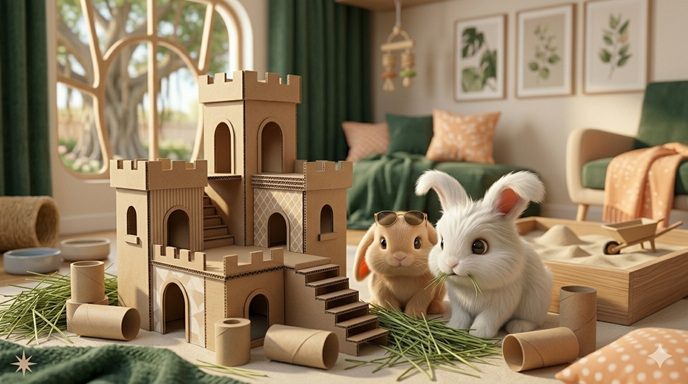
Cardboard is the undisputed holy grail of the DIY bunny world. It is highly structural, incredibly satisfying to destroy, and perfectly mimics the enclosed, subterranean architecture that wild rabbits rely on for safety. Do not underestimate a simple, medium-sized shipping box. Cut at least two distinct entry/exit points. Why two? Rabbits are prey animals; a space with only one entrance can feel like a trap, inducing subtle anxiety. Ensure the openings are wide enough that your rabbit can pass through without their whiskers constantly bending, which can cause sensory fatigue. The Multi-Room Warren Complex If you have a weekend to spare, collect four to five large boxes and construct a multi-level fortress.
The Dig-and-Discover Citadel Transform a large, deep box into an interactive foraging fort. Fill the bottom with a 10cm layer of mixed safe substrates: clean orchard grass, crumpled unbleached packing paper, and compressed cardboard strips. Toss a handful of their daily pellet ration or dried organic herbs (like calendula, nettle, or raspberry leaf) into the mix. Your rabbit will spend hours diving into the box, shifting the paper, and extracting their rewards. |
2. The Foraging Zone: De-glorifying the Food Bowl
In the wild, nobody hands a rabbit a pristine bowl of pellets. Eating is an active lifestyle choice. By eliminating the food bowl and making your rabbit work for their nutrition, you drastically extend their active hours and reduce sedentary boredom. The Toilet Roll Surprise Collect empty cardboard toilet paper tubes. Stuff the center tightly with high-quality timothy or botanical hay, mixing in a few pieces of dehydrated botanicals or pellets right in the middle. Fold both ends of the tube inward to lock the contents inside. To access the food, your rabbit must bite through the outer shell, unroll the edges, or systematically pull the hay out strand by strand. The Paper Bag Piñata Take a small, plain brown paper grocery or lunch bag (ensure handles are completely removed to prevent entanglement). Fill it with a handful of fragrant orchard grass, a few sprigs of fresh coriander or parsley, and a sprinkling of pelleted food. Crimp the top of the bag tightly shut. You can place this on the floor for them to rip apart, or suspend it just a few inches off the ground using a piece of natural hemp twine, forcing them to stretch and balance on their hind legs to harvest the goods. How to Scatter Feed Effectively Instead of dumping pellets in one spot, broadcast them across your rabbit’s entire living environment. Hide individual pellets on top of boxes, tucked inside tunnel curves, and buried deep within their hay racks. This encourages continuous movement and replicates natural browsing patterns. | 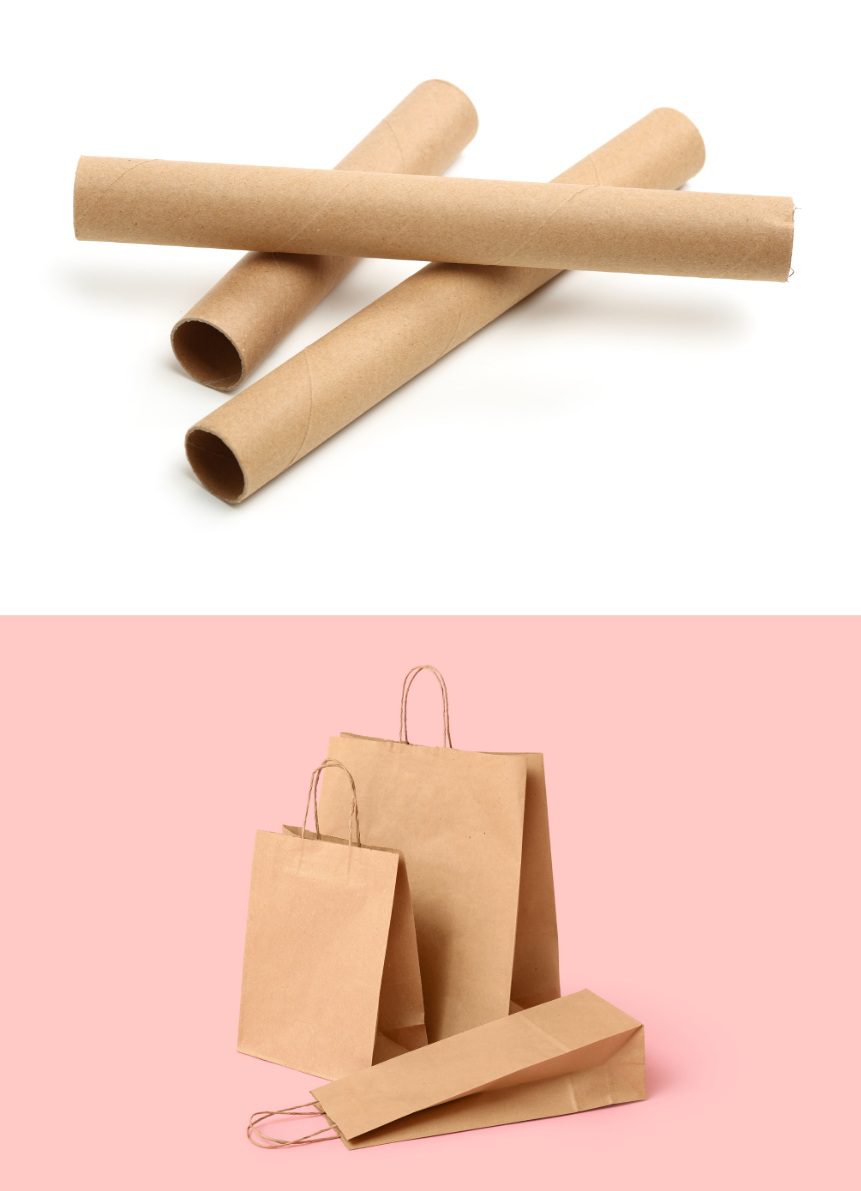 |
3. The Digging Box: Protecting Your Carpets and Sanity
Digging is a hardwired, non-negotiable lagomorph behavior. If you don’t provide a designated outlet for this drive, your carpets, sofas, and baseboards will pay the price. A proper digging box redirects this energy safely. Selecting the Substrate Matrix The foundation of a good digging box is a large, high-sided container. Heavy-duty plastic storage tubs (at least 60cm x 40cm) or hard plastic children’s wading pools work beautifully. The choice of filler depends on your cleanup tolerance:
The Treasure Hunt Setup To make the digging box truly irresistible, bury physical rewards at varying depths. Hide willow rings, applewood twigs, or compressed hay cubes beneath the layers of paper or fabric. When your rabbit successfully uncovers a hidden item, it triggers a dopamine release, reinforcing the digging box as the premium, legal zone for excavation. |
4. The Chew Station: Gym Class for Elodont Teeth
Rabbits are elodont species, meaning their incisors and cheek teeth grow continuously throughout their lives. Adequate dental wear is achieved primarily through the attrition of chewing coarse fibers, but gnawing on wood provides essential structural enrichment and prevents boredom-induced bar-chewing. Applewood and Willow Architectures Freshly pruned, pesticide-free apple wood, pear wood, and willow branches are gold standards. Instead of just tossing a stick on the floor, create a Vertical Chew Station. Drill small holes into a heavy, untreated wooden base block and insert the twigs vertically, creating a mini “forest” that your rabbit has to systematically cut down. The Infused Clothespin Challenge Take standard, spring-free, untreated wooden clothespins. To make them incredibly enticing, lightly mist or soak them in a 100% natural, no-sugar-added apple or cranberry juice, then allow them to dry completely in the sun or a dehydrator. The wood will absorb the aromatic fruit esters, turning an ordinary piece of wood into a high-value chew target that will keep their jaws happily occupied. | 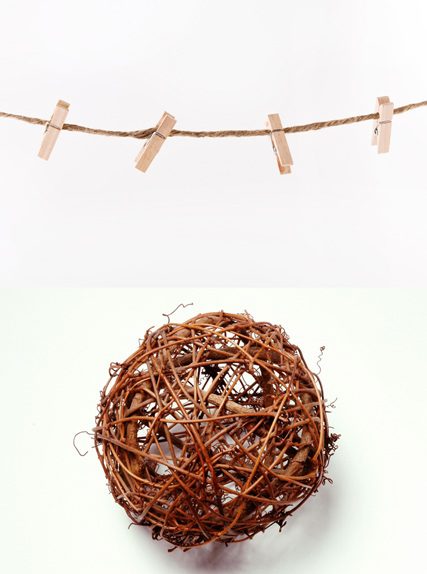 |
5. Interactive Dynamics: Push, Toss, and Rearrange
Some rabbits aren’t just shredders; they are interior designers. They have distinct opinions about where objects should sit in their territory and take great pleasure in moving things around. The Infant Toy Takeover Hard plastic baby keys, stacking cups, and teething rings make fantastic, durable rabbit toys.
Lightweight Botanical Pots Small, unglazed terracotta pots or lightweight, clean plastic flower pots are wonderfully interactive. Turn them upside down over a favorite green leaf, or leave them loose on the floor. Your rabbit will enjoy flipping them over, rolling them with their noses, or chinning them to mark them as personal property. | 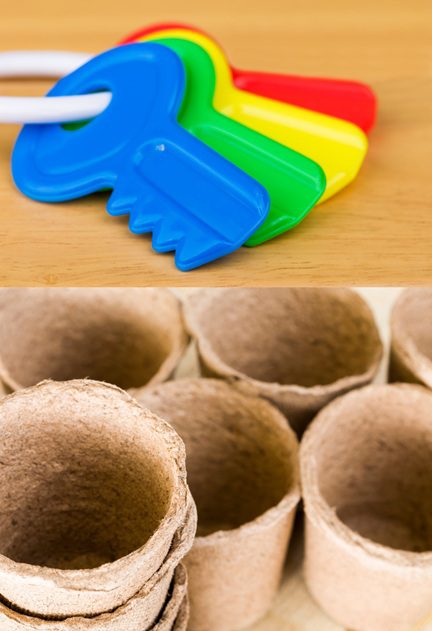 |
6. Climbing and Spatial Geometry
Rabbits love to seek high ground to survey their kingdom. This behavior stems from their need to spot incoming predators early, but in the home, it simply gives them a wonderful sense of confidence and security.
|
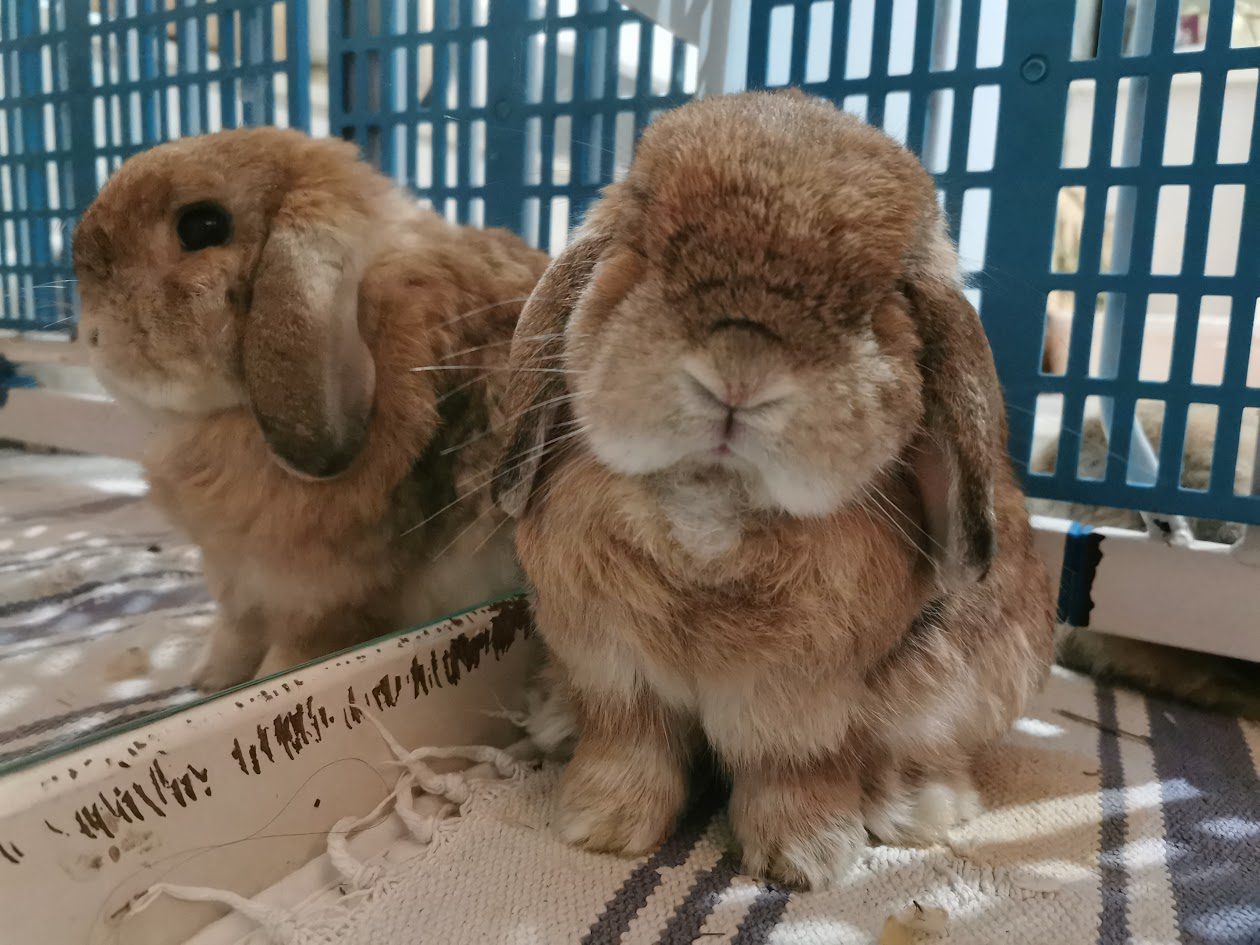
A Note About Mirrors
Mirrors are occasionally recommended for rabbits living alone. Some rabbits appear comforted by their reflection, particularly females. However, the effect is often temporary and should never be considered a substitute for true rabbit companionship. If you do choose to introduce a mirror to your rabbit’s space, make sure to follow these essential setup rules:
|  |
Looking for more Inspiration?
If you want to see how other bunny parents have structured their DIY playgrounds, check out these excellent community curation boards: |  |