Fresh vs Dried Herbs for Rabbits: What Actually Changes?

📱Pro-Tip: Viewing on a phone? Select desktop mode or rotate to landscape for the best reading experience!

📖Estimated Read Time: 5 Mins

Fresh vs Dried Herbs for Rabbits: What Actually Changes?

Fresh or dried herbs — which is better for rabbits?

The internet gives plenty of simple answers:

  • Fresh is healthier.
  • Dried is more nutritious.
  • Dried herbs are stronger.

The science is much more interesting.
Fresh vs Dried Herbs for Rabbits

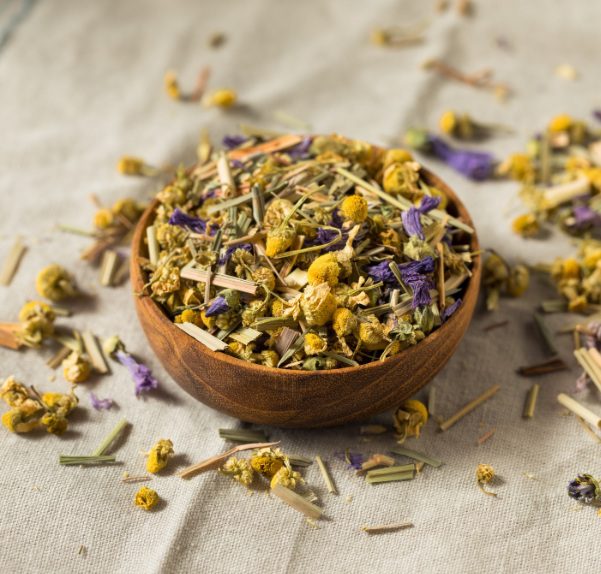
Dried herbs look more nutritious partly because the water is gone
Nutritional Differences of Fresh vs Dried Herbs for Rabbits

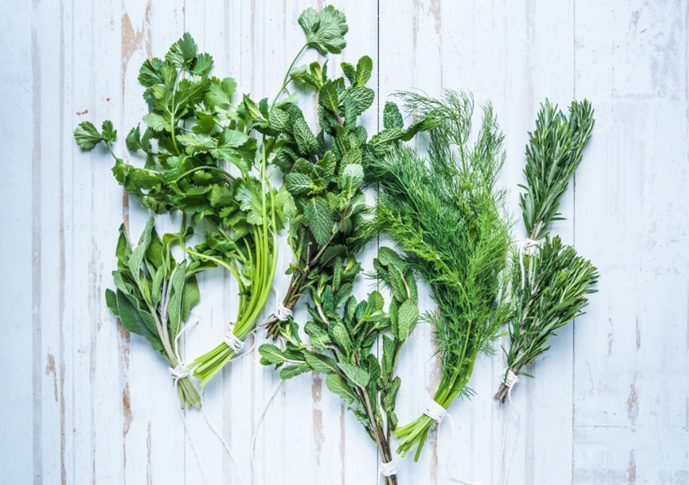
When comparing fresh vs dried herbs, fresh options are mostly water — often around 80–90%.

Remove that moisture during processing and everything left behind becomes packed into a much smaller amount of plant matter. That is why comparing fresh vs dried herbs can make dried botanicals appear dramatically higher in calcium, potassium, iron, protein, and fibre per 100 g for rabbit herb nutrition.

But the drying process did not suddenly create those additional nutrients out of thin air.

Parsley in a Rabbit Herb Guide is a perfect example.

Fresh parsley contains about 138 mg calcium per 100 g. Dried parsley can contain around 1,140 mg. On raw labels, it looks like an eight-fold increase.

However, fresh parsley is almost 88% water. Once we evaluate fresh vs dried herbs on a dry-matter basis, their calcium concentrations become surprisingly similar.

In our Herb Atlas, we emphasize that dried options aren’t vastly richer in minerals — they are simply vastly lower in water content.

That distinction matters for your pet’s bowl. A teaspoon of dried herb is a much larger dose of raw plant than a teaspoon of fresh leaves — which is why “just a pinch” is ideal for safe rabbit enrichment. Calcium-heavy options like parsley or dandelion deserve the same caution whether fed fresh or dried, gram for gram of actual dry plant material.

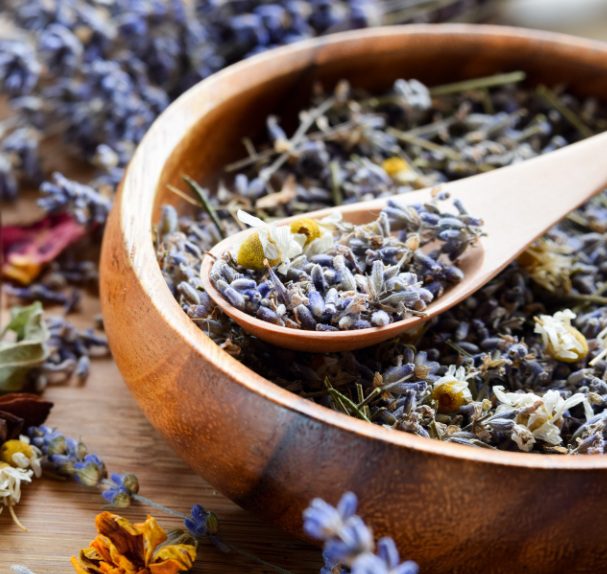
“Dried herbs are stronger” is only half true

When evaluating fresh vs dried herbs, dried leaves are certainly more concentrated plant material — ten grams of dried mint represents far more mint leaves than ten grams of fresh mint. But that doesn’t mean every active compound became stronger. Some survive drying beautifully, some decline, and some volatile compounds evaporate entirely, affecting rabbit herb nutrition.

So the better question when planning safe rabbit enrichment or using our Rabbit Herb Guide and Herb Atlas isn’t “are dried herbs stronger?” — it’s “which compound are we talking about?”
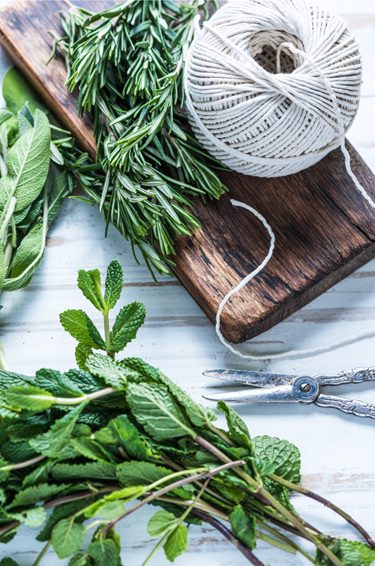
Are Dried Herbs Stronger for Rabbits?

How Drying Really Changes The Plant

Different compounds react differently to drying.

  • Minerals — calcium, magnesium, potassium and most others are relatively stable. They mainly become more concentrated per gram.
  • Vitamin C — much less stable. Heat, oxygen and processing can destroy a substantial amount. One well-controlled study on five leafy greens found ascorbic acid retention as low as 1–14% after processing — while minerals and general composition were barely affected. It’s worth noting that study’s vegetables were steam-blanched before oven-drying, so that figure reflects blanching-plus-drying rather than drying alone; home air-drying without a blanching step would likely be gentler on vitamin C. Either way, the direction is consistent: vitamin C is the most fragile nutrient in this whole comparison, by a wide margin.
  • Carotenoids — some survive well, others decline depending on temperature, oxygen and drying time.
  • Polyphenols and flavonoids — this is where the “fresh is always more potent” story actually falls apart. A comparative study of six Lamiaceae herbs — rosemary, oregano, marjoram, sage, basil, and thyme — measured total phenolic content and antioxidant capacity across fresh, air-dried, freeze-dried, and vacuum oven-dried samples. The fresh herbs came in lowest on every measure tested. Air-dried samples scored highest.

That runs directly against the popular assumption that fresh herbs are automatically richer in antioxidants. Drying doesn’t just concentrate what was already there — in at least some herbs, it appears to make phenolic compounds more extractable or measurable than in the fresh leaf. Other herb-and-method combinations tell different stories again, so this isn’t a universal rule either. But it’s solid evidence that “fresh = more phytochemicals” is too crude a claim to stand as written.

So the honest summary: minerals concentrate on drying (mostly a water-loss effect), vitamin C is the most drying-sensitive and typically drops, and polyphenols are genuinely variable — sometimes higher fresh, sometimes higher dried. Neither form has a categorical claim to “more phytochemicals.” It depends on the compound, the herb, and how it was dried.

How the herb was dried matters — a lot

Air dried, shade dried, sun dried, oven dried, vacuum dried, freeze dried — these methods produce noticeably different chemical profiles. Basil dried by sun, shade, oven at two temperatures, microwave, and freeze-drying has shown significantly different essential-oil content and composition — and the results aren’t simply “less heat, more oil.” Shade-drying actually produced the highest essential-oil yield of every method tested, including fresh, while the hotter oven and microwave treatments caused the steepest losses. Freeze-drying and the lower-temperature oven setting best preserved the oil’s original chemical composition, even where shade-drying won on raw yield. Comparative work on sage essential oil similarly found fresh material and herb dried for different lengths of time produced measurably different chemical make-up.

Low-temperature methods generally preserve delicate compounds better; higher heat tends to sacrifice more volatile aromatics. Freeze-drying is often held up as the gold standard — but even it isn’t a perfect pause button; reviews note it can still shift volatile oils, phenolics, and carotenoids compared to the fresh plant.

If you’re buying commercial dried herb mixes for your rabbit, this is also why sourcing matters — a herb air-dried in shade and one flash-dried in an industrial oven aren’t nutritionally identical, even under the same label.

Fresh Herbs Hydration Advantage for Rabbits

Fresh herbs have one clear advantage: hydration

When weighing fresh vs dried herbs, hydration is the one advantage that doesn’t come with an “it depends.” A study cited in our Rabbit Herb Guide of 12 domestic rabbits fed different combinations of hay, fresh parsley, seed mix, and pellets found that dry diets did increase drinking-water intake — but total water intake was still lower than when fresh food was part of the diet. High proportions of fresh parsley or hay enhanced total water intake and urine output, leading to lower urinary dry matter and lower urinary calcium concentrations for optimal rabbit herb nutrition.

Rabbits don’t only get water from drinking — they get it from food too.

That last part is worth sitting with in our Herb Atlas: fresh parsley didn’t just hydrate better, it was linked to lower urinary calcium concentration — the opposite of what the “parsley is a calcium risk” worry would predict. When choosing between fresh vs dried herbs for daily rabbit enrichment, water dilution appears to matter more here than the raw calcium number on a nutrition label.

Dried does not mean sterile

Drying makes it hard for bacteria to grow, but bacteria and spores can still survive it. Reviews of spore-forming contaminants in dried herbs and spices point mainly to Bacillus and Clostridium species, introduced through soil contact during harvesting or drying, or cross-contamination during processing. Documented outbreaks linked to dried herbs and spices have involved organisms including Bacillus cereus, Clostridium perfringens, pathogenic E. coli, Salmonella, and norovirus — low moisture keeps these from multiplying, but doesn’t eliminate them once present.

Fresh herbs carry their own contamination risk from soil, water, and handling. Neither form is automatically safer — sourcing and storage matter for both, and for a rabbit’s sensitive gut, that hygiene step isn’t optional either way.

Dried herbs win the storage battle

When comparing fresh vs dried herbs, fresh greens spoil within hours at room temperature and last only a few days in the fridge. Dried botanicals featured in our Rabbit Herb Guide last months when protected from heat, moisture, oxygen, and light — making them ideal for forage mixes, hay toppers, and herbs you can’t always source fresh.

Fresh and dried herbs don’t need to compete

  • Fresh herbs bring: water + freshness + texture + aroma + variety + vitamin C for optimal rabbit herb nutrition.
  • Dried herbs bring: concentrated minerals + extended shelf life + convenience + year-round variety + tactile rabbit enrichment + sometimes even higher measured antioxidants according to our Herb Atlas.

They’re different forms of the same plant, suited to different jobs when evaluating fresh vs dried herbs — fresh for daily hydration and grazing, dried as a targeted enrichment tool rather than an automatic nutritional upgrade.
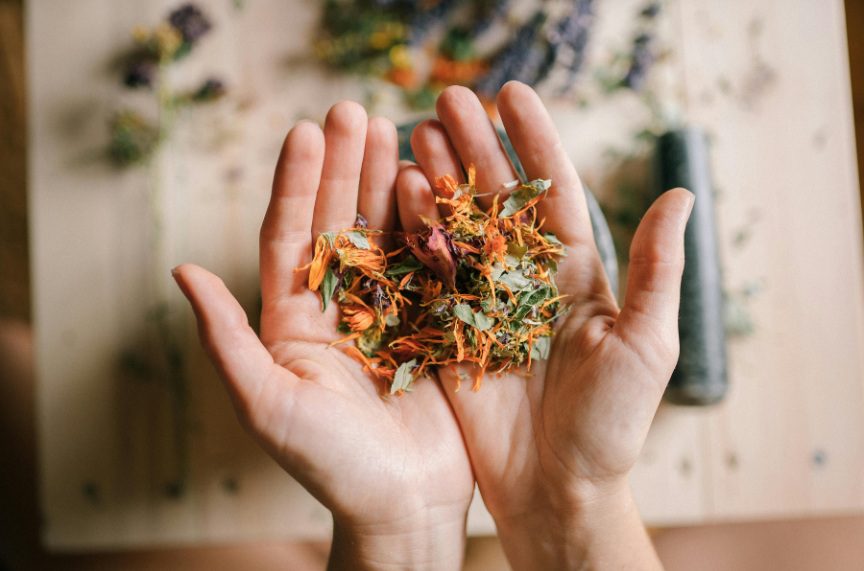
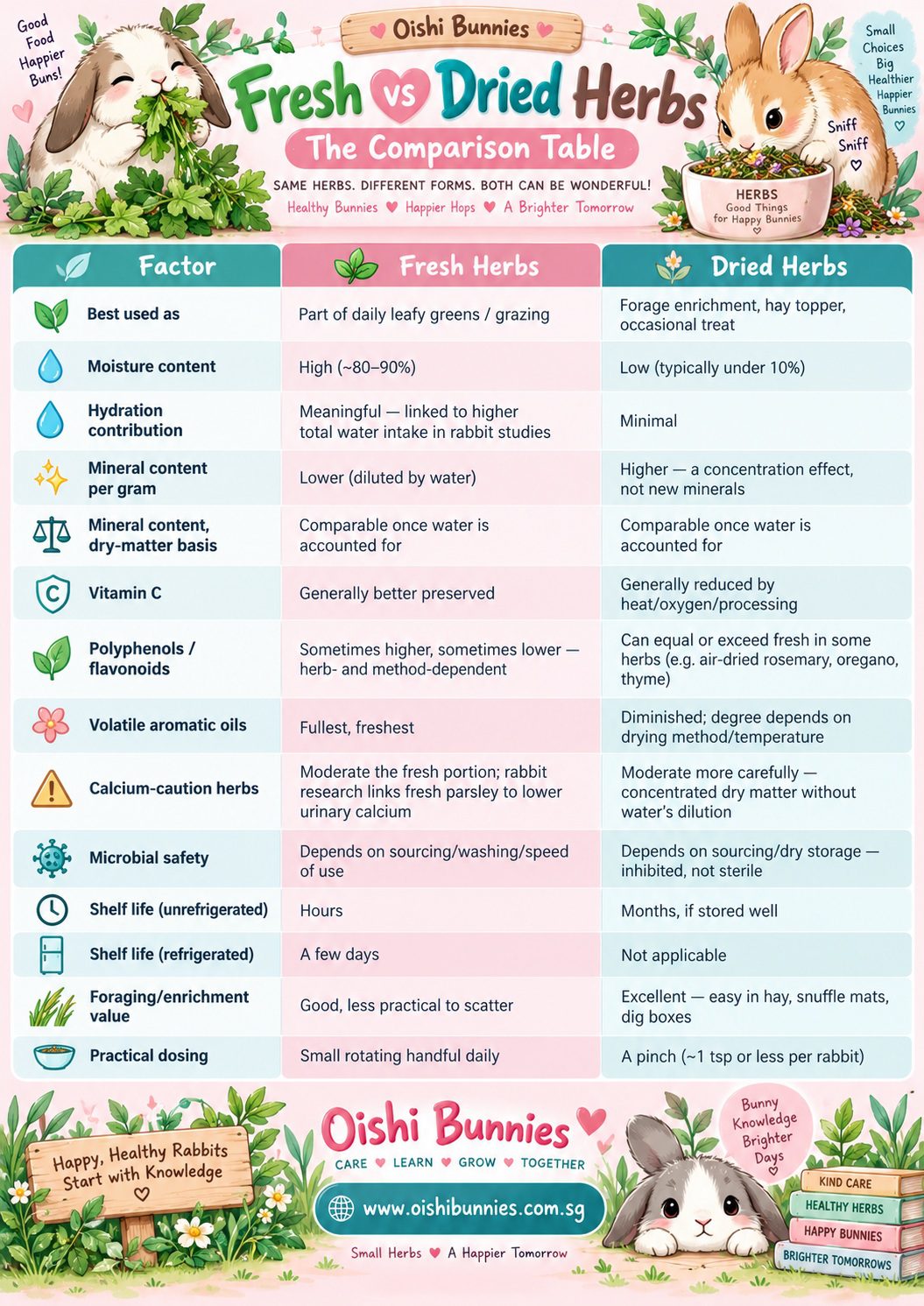
Storage and Usage of Fresh vs Dried Herbs for Rabbits
Fresh vs Dried Herbs

Final Thoughts

Perhaps the most useful lesson when evaluating fresh vs dried herbs isn’t that fresh is better than dried — or vice versa. It’s learning why their nutrition tables look so different, and giving each form the job it’s actually suited for in overall rabbit herb nutrition.

When dried parsley appears to contain eight times more calcium than fresh parsley on an ordinary label, don’t conclude drying transformed it into a mineral bomb. As noted in our Rabbit Herb Guide, first ask: how much of that difference is simply water loss?

And the second lesson in our Herb Atlas matters just as much: don’t assume “fresh” automatically wins on phytochemicals either. The evidence on polyphenols and antioxidant capacity genuinely cuts both ways, herb by herb and method by method.

Once you take those two shortcuts off the table, fresh vs dried herbs look like what they really are: the same plant, processed differently, each bringing a unique strength to your rabbit’s bowl. Lean fresh for everyday hydration and grazing — especially for calcium-conscious greens like parsley. Let dried botanicals earn their place for safe rabbit enrichment and for the herbs you can’t always find fresh, in small, thoughtful pinches, not as a substitute.

Bring More Botanical Variety to the Hay Bowl
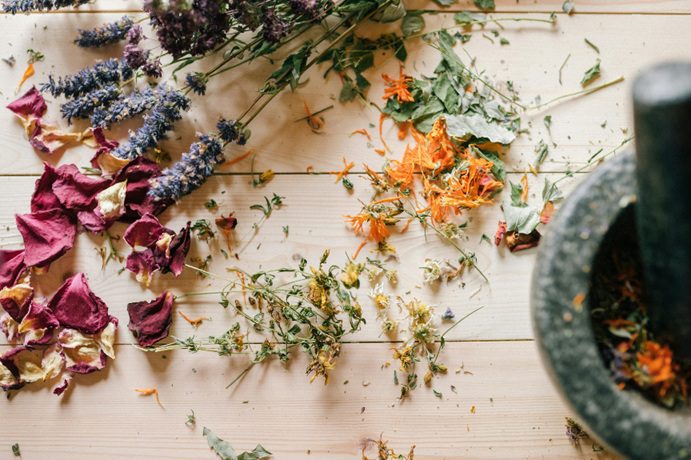
Oishi Bunnies Organic Herb Collection for Rabbits

Fresh herbs are wonderful — but they’re not always in season, always in your fridge, or always eaten before they wilt. That’s exactly the gap dried herbs are built to fill.

The Oishi Bunnies Organic Herb Collection keeps a rotating cast of organic, rabbit-safe botanicals on hand for sprinkling through hay, building forage mixes, or hand-feeding as an occasional treat — the enrichment role dried herbs do best, as this whole article has argued.

A pinch goes a long way. Because dried herbs are concentrated plant matter, a small jar lasts months — we portion ours in rabbit-household sizes, so you’re not storing (or wasting) a year’s supply of one herb you’ll rotate out in a week.

Sourced with the same standards we hold ourselves to. We select our organic herbs from established botanical suppliers, including Frontier Co-op — and we’re upfront about what we do and don’t know: where a supplier discloses their processing methods, we share them with you. Where they don’t, we say so, rather than guessing.

Rotate. Sprinkle. Watch the sniffing begin. Variety is the real enrichment win — a bowl of the same hay every day gets boring fast, for rabbits too.

Key References

  • Abascal, K., Ganora, L., & Yarnell, E. (2005). The effect of freeze-drying and its implications for botanical medicine. Phytotherapy Research.
  • Antal, T., et al. (2011). Comparative study of spearmint essential oil under convective and freeze-drying. Drying Technology.
  • Di Cesare, L. F., et al. (2003). Changes in chemical composition of basil caused by different drying processes. Journal of Agricultural and Food Chemistry.
  • Gupta, S., et al. (2013). Retention of nutrients in green leafy vegetables on dehydration. Journal of Food Science and Technology.
  • Gurtler, J. B., & Keller, S. E. (2019). Microbiological safety of dried spices and herbs. Journal of Food Protection.
  • Hazarika, U., & Gosztola, B. (2020). The effect of freeze-drying on essential oil content and composition of herbs: A review. Acta Scientiarum Polonorum Technologia Alimentaria.
  • Hossain, M. B., et al. (2010). Effect of drying method on total phenolic content and antioxidant capacity of six Lamiaceae herbs. Food Chemistry.
  • Mathot, A. G., et al. (2021). Bacterial spores in spices and dried herbs: Origin, detection, and heat resistance. Comprehensive Reviews in Food Science and Food Safety.
  • Pirbalouti, A. G., et al. (2013). Effects of different drying methods on essential oil yield and chemical composition of basil. Food Chemistry.
  • Thamkaew, G., et al. (2021). A review of drying methods for improving the quality of dried herbs. Critical Reviews in Food Science and Nutrition.
  • Tschudin, A., et al. (2011). Water intake and urinary excretion of calcium and dry matter in rabbits fed various diets. Journal of Animal Physiology and Animal Nutrition.