Microplastics in Pet Rabbit Care: A Guide to a Safer Sanctuary
📱 Pro-Tip: Viewing on a phone? Select desktop mode or rotate to landscape for the best reading experience!
📖 Estimated Read Time: 7-8 Mins
1. The Tiny Intruders
What are microplastics?
Microplastics are tiny plastic fragments less than 5mm in diameter. They aren’t always born small; many are “secondary microplastics”—microscopic shards that have broken off from larger household items like fleece blankets, plastic bowls, or synthetic carpets through friction, heat, or UV exposure.
🐰 Why Rabbit Owners Should Be Concerned
As “Anatomy-Aware” owners, we know that a rabbit’s physiology is a finely tuned machine. Unlike larger mammals, rabbits have a high metabolic rate and an incredibly sensitive gastrointestinal (GI) tract. When micro-polymers enter their system, they aren’t just “passing through”; they act as foreign invaders interacting with a delicate biological landscape.
How this issue goes unnoticed in pet care
Because microplastics are invisible to the naked eye, they are often the “silent guest” at the dinner table. While traditional pet care focuses on visible threats—like pesticides on kale or dust in hay—we often ignore the chemical integrity of the very containers holding those items. In an Oishi Bunnies home, we look closer at the invisible to protect the incredible.
2. The Anatomy of Risk: Why Microplastics Matter
For a 2kg rabbit, microplastic exposure isn’t just an environmental statistic—it’s a physiological challenge.
👅 The Grooming Vacuum
Rabbits are fastidious. Their grooming behavior ensures that any plastic dust settling on their fur is guaranteed to be ingested, bypassing the body’s first line of defense.
🏠 Floor-Level Exposure
As “low-riders,” rabbits live in the highest concentration zone for heavy plastic particles, leading to 24/7 inhalation and dermal contact.
Potential Physiological Impacts
🧪 Gut Irritation & Digestive Disruption:
The rabbit’s complex hindgut fermentation relies on precise motility. Ingesting non-biodegradable synthetic fibers creates “unproductive bulk” that can irritate the mucosal lining and potentially interfere with the delicate bacterial balance required for healthy cecotropes.
🧬 Endocrine (Hormone) Disruption:
Many plastics contain phthalates or BPA, which act as “hormone mimics.” For a small animal with a sensitive endocrine system, this can lead to subtle metabolic shifts and long-term health concerns that are often hard to diagnose.
🧲 Toxin Accumulation:
Microplastics are “lipophilic” and act as magnets for environmental toxins, including heavy metals and pesticides. Once ingested, these particles can act as “Trojan Horses,” delivering concentrated chemicals directly into the bloodstream.
🛡️ Chronic Immune Response:
The presence of foreign polymer particles can trigger a minor but constant inflammatory response. Over time, this “oxidative stress” taxes the immune system, potentially leaving the bunny more vulnerable to other illnesses.
Note: While direct studies on rabbits are limited, these risks are based on established environmental science and the known biological vulnerabilities of small mammal anatomy.
3. Common Sources of Microplastics in Pet Rabbit Environments
Microplastics are master of disguise. Here is where they “lurk” in your bunny’s daily routine.
3.1 Feeding-Related Sources
- 🌾 Plastic Hay Bags: Every time hay is pulled from a plastic bag, the friction sheds micro-fibers directly onto the forage. It’s an invisible “seasoning” we never asked for.
- 💧 Water Bottles vs. Ceramic: Sunlight and vigorous scrubbing cause plastic bottles and nozzles to leach chemicals and shed micro-particles into the water supply.
- 🔪 Syringes & Chopping Boards: Grooves in plastic boards shed shards into fresh greens. Even rubber stoppers in medical syringes can degrade, introducing polymers during treat-mixing or medicating.
3.2 Housing & Bedding
• Synthetic Fleece: Even “anti-pill” varieties are polyester. Digging behavior snaps off tiny polymer strands that hang in the air at nose level.
• Foam Mats: EVA “puzzle mats” are easily nibbled, releasing micro-bits into the enclosure that are easily swallowed during accidental ingestion.
3.3 Toys & Enrichment
• Cheap Plastic Chews: Hard nylons designed for “durability” actually create sharp micro-shards when gnawed by powerful rabbit incisors.
• Synthetic Ropes: Many “cotton” ropes are actually blends containing polyester or acrylic fibers which do not break down in the gut.
3.4 Household Exposure
🌪️ Airborne Dust: Shockingly, up to 30% of average household dust is estimated to be plastic-based.
🧺 Laundry: Washing synthetic bedding releases millions of fibers. Some remain “static-locked” to the fabric, ready to be inhaled during the next nap.
4. Practical Ways to Reduce Microplastics Exposure
Transitioning to a plastic-reduced home is a journey. Here is how to swap common “lurkers” for Anatomy-Aware alternatives.
4.1 Safer Feeding Practices
• Material Pivot: Swap plastic plates and bowls for high-quality Glass, Ceramic, or Stainless Steel. These materials are inert and won’t shed polymers.
• Hydration Integrity: Transition from plastic gravity bottles to heavyweight glass or ceramic crocks. This supports a more natural, “anatomy-aware” lapping posture while eliminating the risk of your rabbit ingesting micro-shards from chewed plastic nozzles or bacterial biofilm that thrives in plastic crevices.
• Storage: Protect the integrity of your Oishi Bunnies Premium Organics by moving them into glass jars. This prevents plastic leaching and keeps vital flavonoids fresh.
• Prep: Use a wooden or stainless steel chopping board for daily salads to avoid microscopic plastic shards from knife grooves.
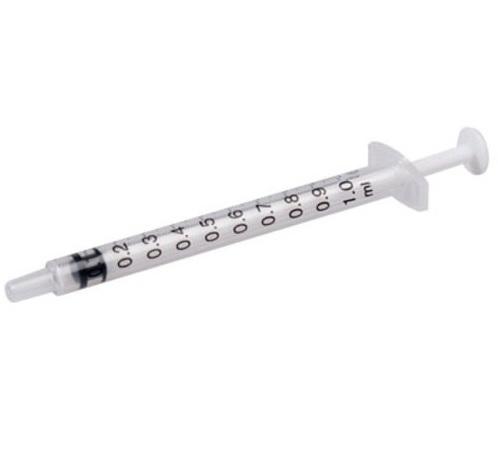
• Syringes: Prioritize BPA-free medical grade or glass syringes. Replace frequently to prevent plastic degradation and leaching from repeated wear.

4.2 Better Housing Choices
• Natural Fibers: Replace synthetic fleece with 100% Cotton, Hemp, or Seagrass mats. These don’t release “forever dust” when your bunny digs.
• Litter: Stick to paper-based or wood-based pellets. Avoid “scent crystals” or plastic liners that can be shredded and ingested.
• Wooden or Cardboard Hideouts: Retire plastic “igloos.” Natural hideouts encourage healthy chewing without the risk of ingesting toxic micro-shards or chemical dyes.

4.3 Toy & Enrichment Upgrades
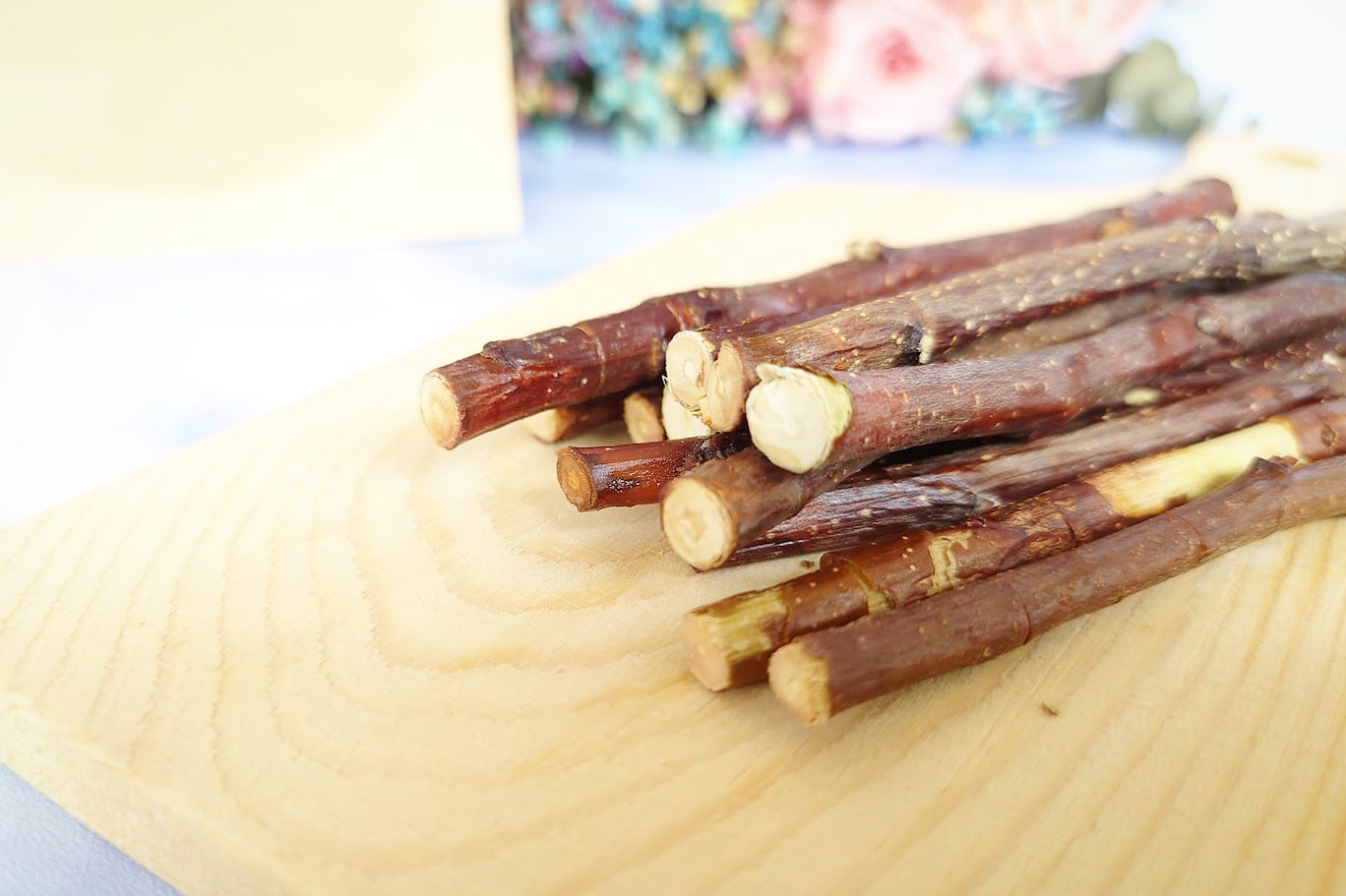
• Go Natural: Choose untreated willow, apple wood, or organic loofah. These encourage healthy tooth wear without the risk of synthetic fragments.
• Avoid the Gloss: Steer clear of toys with “glossy,” painted, or plastic finishes that are easily pried off by curious incisors.
4.4 A Cleaner Sanctuary
• Vacuum Cleaners: Use a model with a certified HEPA-sealed system. Standard vacuums often exhaust fine plastic dust back into the room; a sealed HEPA filter ensures micro-particles are trapped in the canister, keeping your bunny’s low-profile living space truly debris-free.
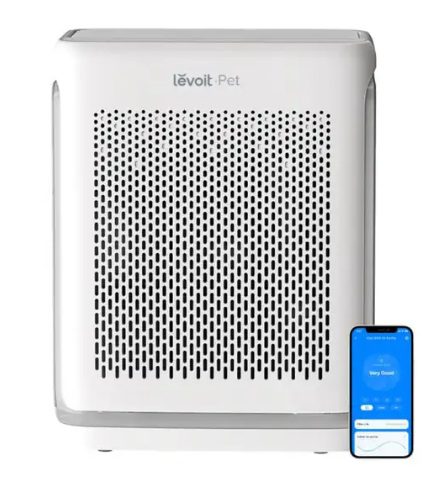
Air Purifiers: HEPA-grade filtration is your invisible bio-shield. It traps airborne microplastics from synthetic carpets and fabrics before they settle in your rabbit’s sensitive respiratory tract or fur.
• Gentle Cleaning: Use soft cloths and vinegar soaks rather than abrasive scrubbers that create micro-pores in plastic surfaces.
5. FAQ: The Reality of Plastic Ownership
Answering the most common questions about managing polymers in an Anatomy-Aware home.
❓ How fast do household plastic items start shedding?
Immediately. Unlike plastic in the ocean that takes centuries to decompose, household shedding is driven by mechanical wear. From the first time you scrub a bowl or your rabbit digs into a fleece liner, microscopic fragments are released. Friction, cleaning chemicals, and even UV rays from a nearby window accelerate this process from Day 1.
❓ Why isn’t “buying new plastic” a permanent fix?
This is the “Replacement Trap.” New plastics are often in their most “volatile” phase, frequently off-gassing Volatile Organic Compounds (VOCs) that can irritate a rabbit’s sensitive respiratory system. Frequent replacement keeps your pet in a constant cycle of peak shedding. The only permanent solution is a Material Pivot to inert substances like glass or ceramic.
❓ What about pee trays? Most are plastic!
Pee trays are a high-abrasion zone. Rabbit urine is alkaline and creates scale; scrubbing this scale creates micro-pores that trap bacteria and release polymers.
- Smart Management: Use a thick “buffer layer” of paper bedding so urine doesn’t sit directly on the plastic.
- Professional Upgrade: Consider Stainless Steel Gastronorm pans. They are 100% inert, scratch-proof, and effectively last forever.
❓ Is “BPA-Free” actually non-toxic?
“BPA-Free” is often a marketing myth. Manufacturers frequently replace BPA (Bisphenol A) with BPS or BPF, which can have similar endocrine-disrupting effects. In an Anatomy-Aware home, we aim for materials that are naturally non-toxic, rather than plastics that have been chemically modified to meet a label.
6. Balancing Practicality vs. Perfection
We know that reading about “invisible invaders” can feel overwhelming. At Oishi Bunnies, we believe in progress over perfection. You don’t need to purge your entire home today to make a massive difference in your rabbit’s biological load.
The “First Three” Rule
If you aren’t sure where to start, prioritize these three high-impact swaps. These represent the areas where your rabbit has the most direct “internal” contact with synthetics:
1. Water & Food
Move to Ceramic or Glass.
2. The Bed
Swap Fleece for 100% Cotton.
3. Storage
Glass jars for all dry treats.
Avoiding “Pet Parent Overwhelm”
Microplastics are a systemic issue in our modern world. While we can’t eliminate them entirely, we can significantly reduce the cumulative exposure. Think of it like a bucket: every swap you make takes a few drops out of that bucket, giving your rabbit’s anatomy more “biological breathing room.”
7. Conclusion: Reducing the Bio-Load
Long-term vitality is built in the details.
By choosing inert materials and natural fibers, we aren’t just “buying stuff”—we are actively protecting the delicate hindgut, the sensitive endocrine system, and the incredible resilient spirit of our rabbits.
We live in a plastic world, but your bunny’s sanctuary can be different. Here’s to a cleaner, safer, and more Anatomy-Aware life for our long-eared companions.
Ready to start your non-toxic journey?
Explore our 100% organic forage options at the Oishi Bunnies Shop.
Curated Advocacy
The Modern Art of Rabbit Care
This guide to reducing microplastics is just one brushstroke in our complete sanctuary curriculum. Explore the full masterpiece to debunk husbandry myths and master the science of anatomy-aware care.
A Oishi Bunnies Signature Guide
Scientific Transparency & Care Disclaimer
Educative Intent: The information provided in “The Modern Art of Rabbit Care” and the Oishi Bunnies blog is based on over 9 years of experience in rabbit rescue, rehabilitation, and organic nutrition. While we prioritize medical and scientific accuracy, this content is intended for educational purposes only and does not constitute professional veterinary advice, diagnosis, or treatment.
Living & Sanctuary Safety: Guidance regarding air filtration, HEPA-sealed vacuums, and natural cleaning alternatives (such as vinegar) is provided specifically to address environmental microplastics. The efficacy of these methods can vary based on individual household environments. Always ensure that environmental changes support your specific rabbit’s respiratory health.
Anatomy-Aware Handling: Always consult a rabbit-savvy veterinarian before introducing new medical protocols or altering care routines. Oishi Bunnies advocates for “heart over profit”; however, we cannot be held liable for actions taken based on this information without professional veterinary oversight.
Founders Note: As a founder who rescues, fosters, and rehabs, I believe in transparency over perfect reviews. We are always looking to expand our gallery of knowledge—if you are a writer or creator passionate about evidence-based rabbit care, we invite you to contribute your voice to our topics. Let’s build a better sanctuary together.