Description
Organic Hibiscus Flower — A Ruby-Red Botanical Treasure
Richly coloured, naturally tart and unmistakably beautiful, roselle (Hibiscus sabdariffa L.) is one of the most captivating botanicals in our Premium Organics collection. Belonging to the mallow family, Malvaceae, this tropical plant produces delicate flowers followed by fleshy, ruby-red calyces that have been appreciated in traditional cuisines around the world.
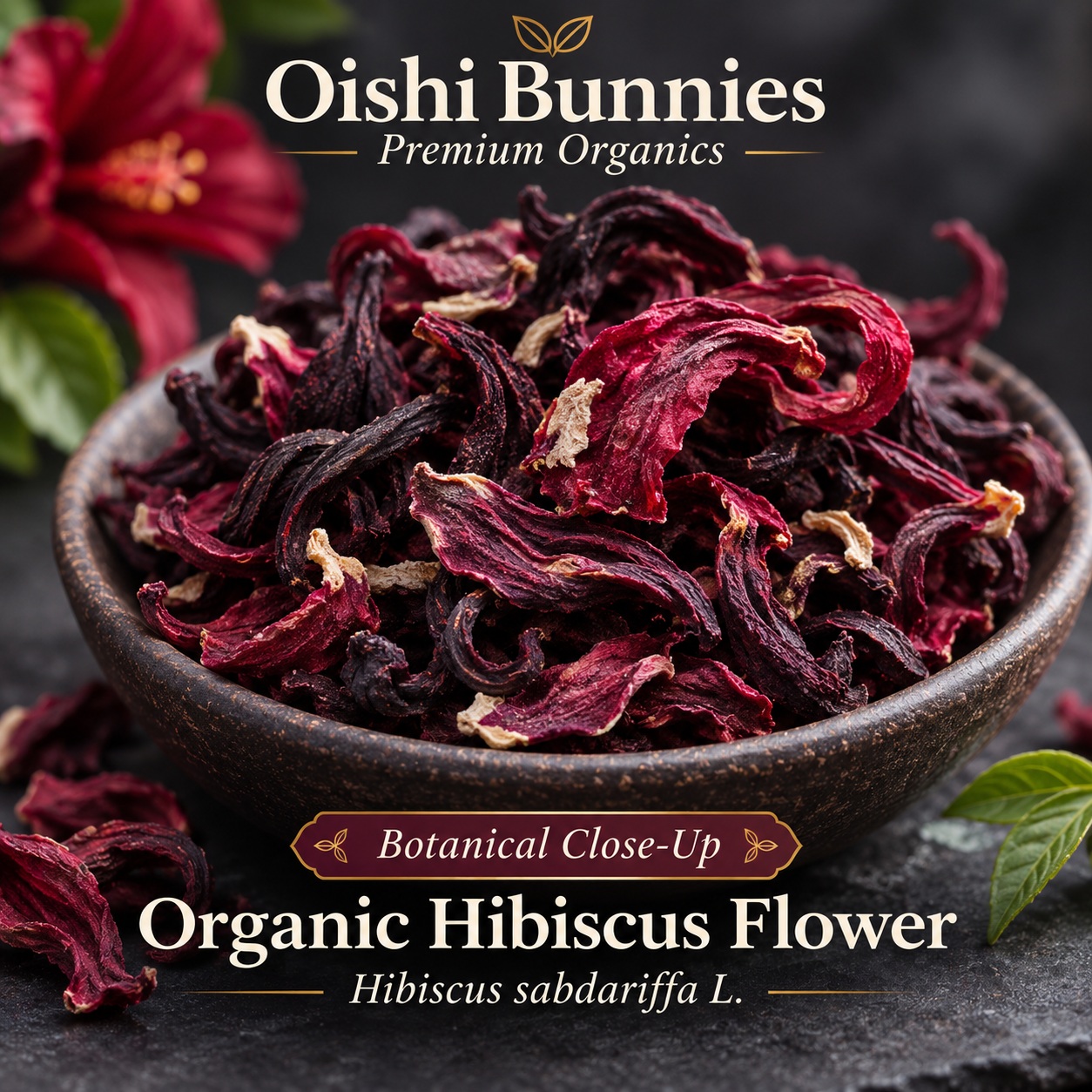
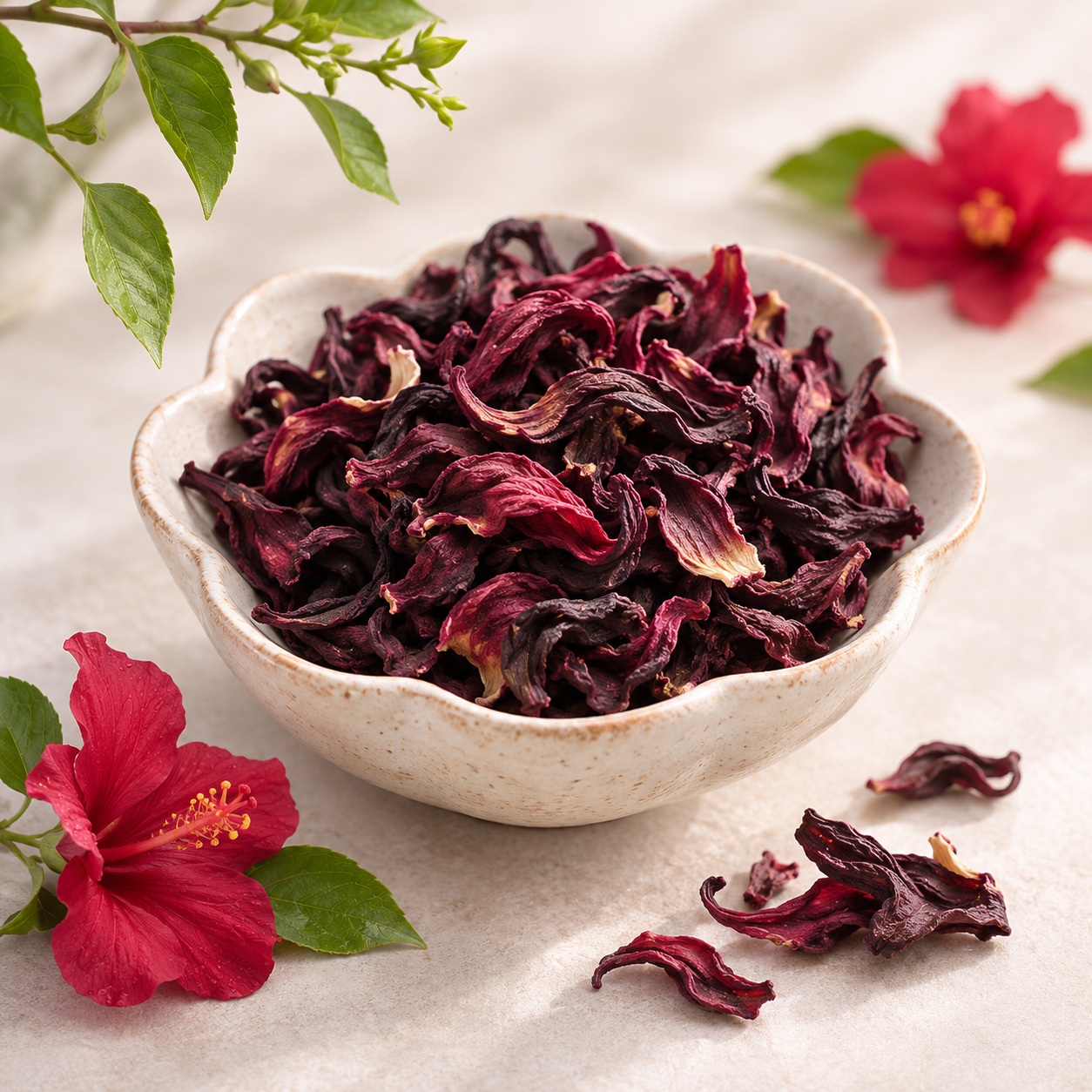
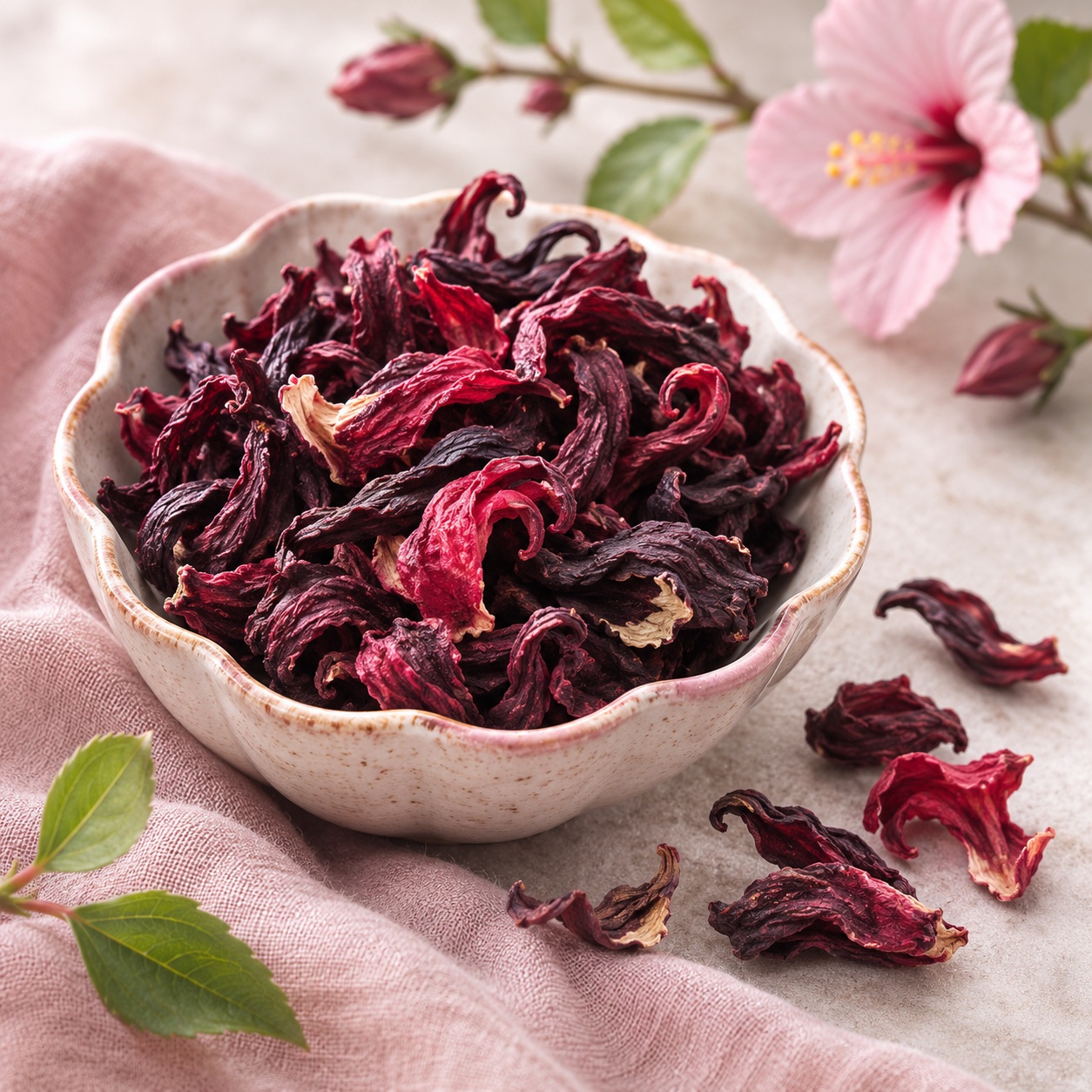
Our Organic Hibiscus Flower features beautifully curled, dried roselle pieces with a naturally deep crimson colour. Although commonly called hibiscus flowers, the dried botanical used in roselle preparations is generally the colourful calyx rather than the original flower petals. These remarkable red structures contain anthocyanin pigments, organic acids and other naturally occurring plant compounds that give roselle its distinctive botanical character.
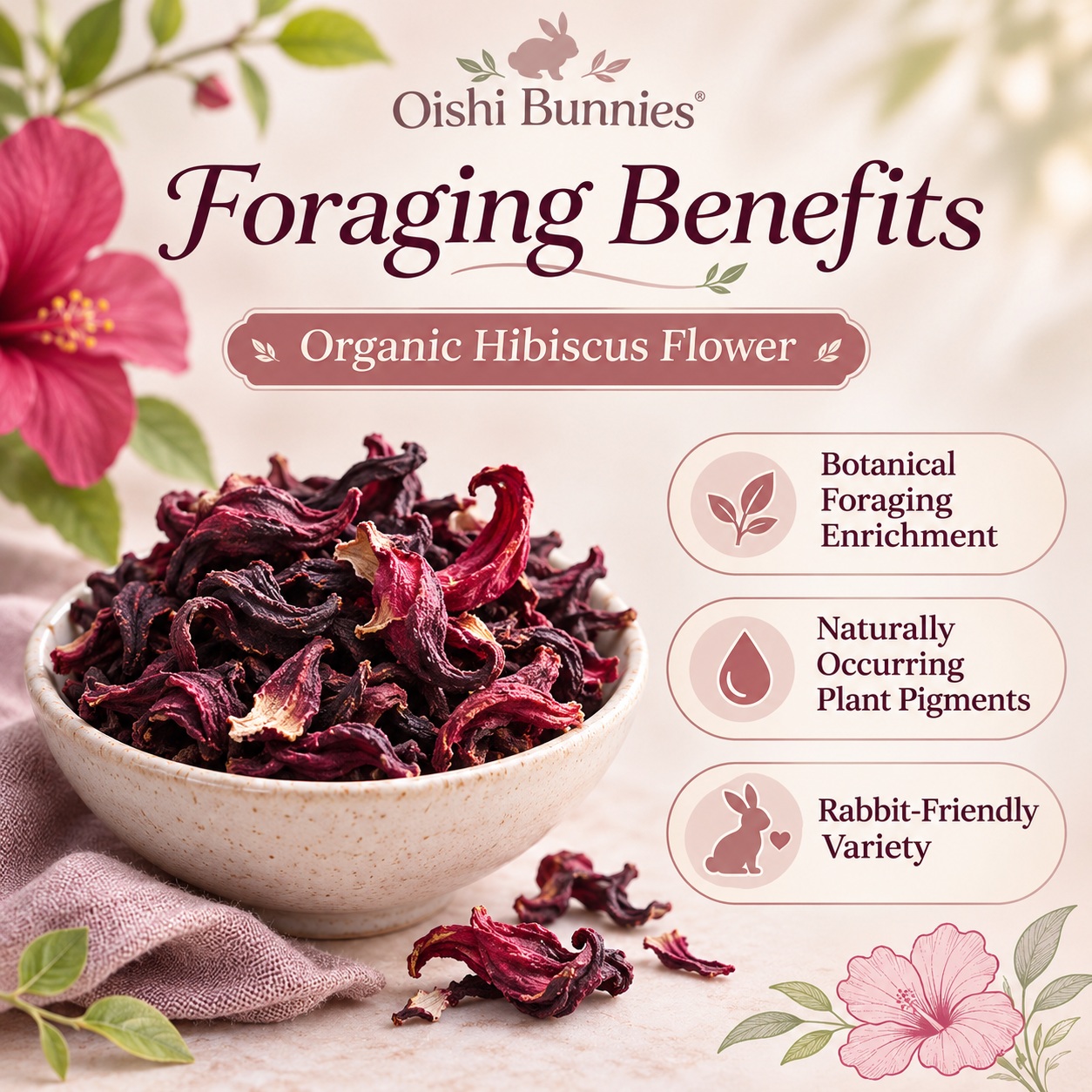
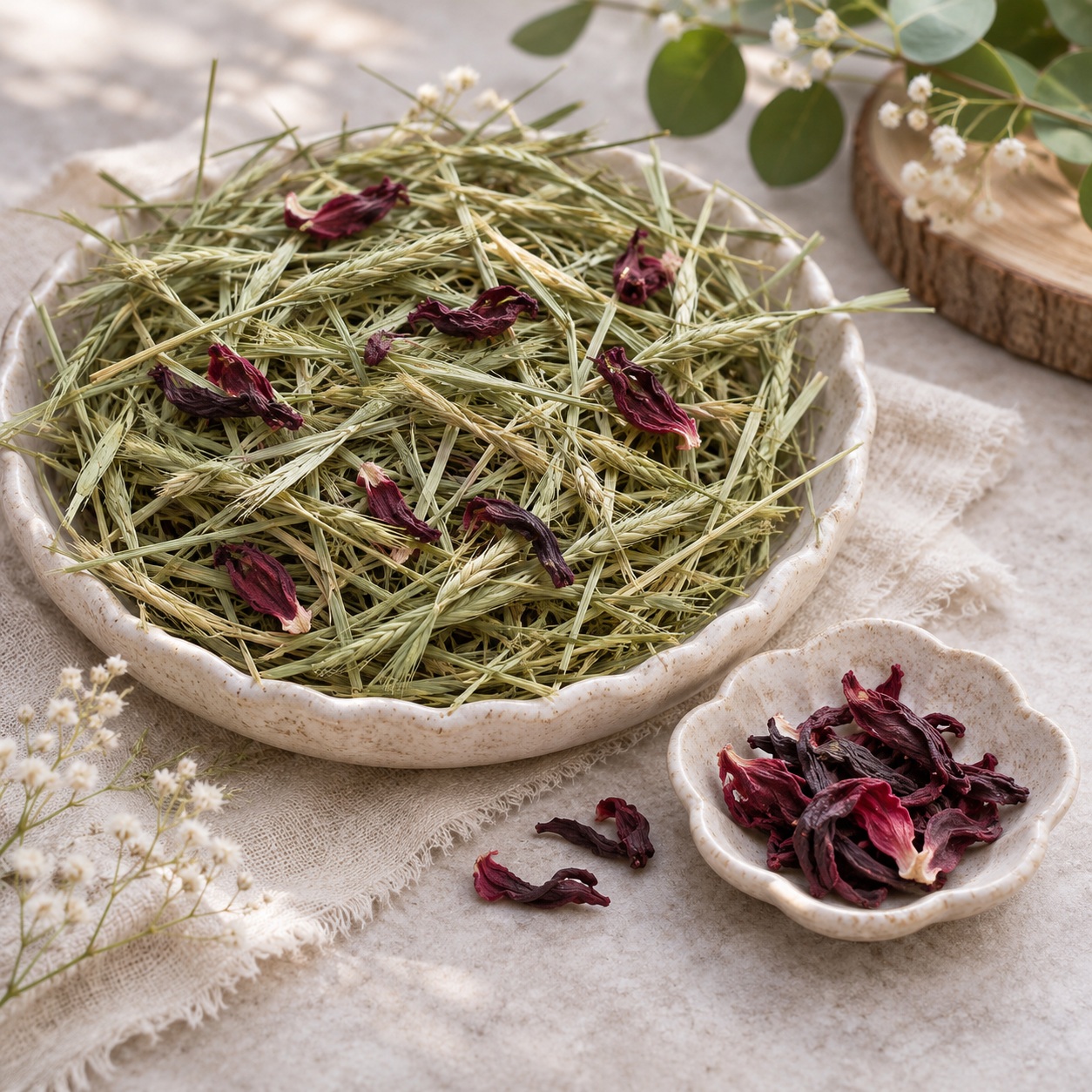
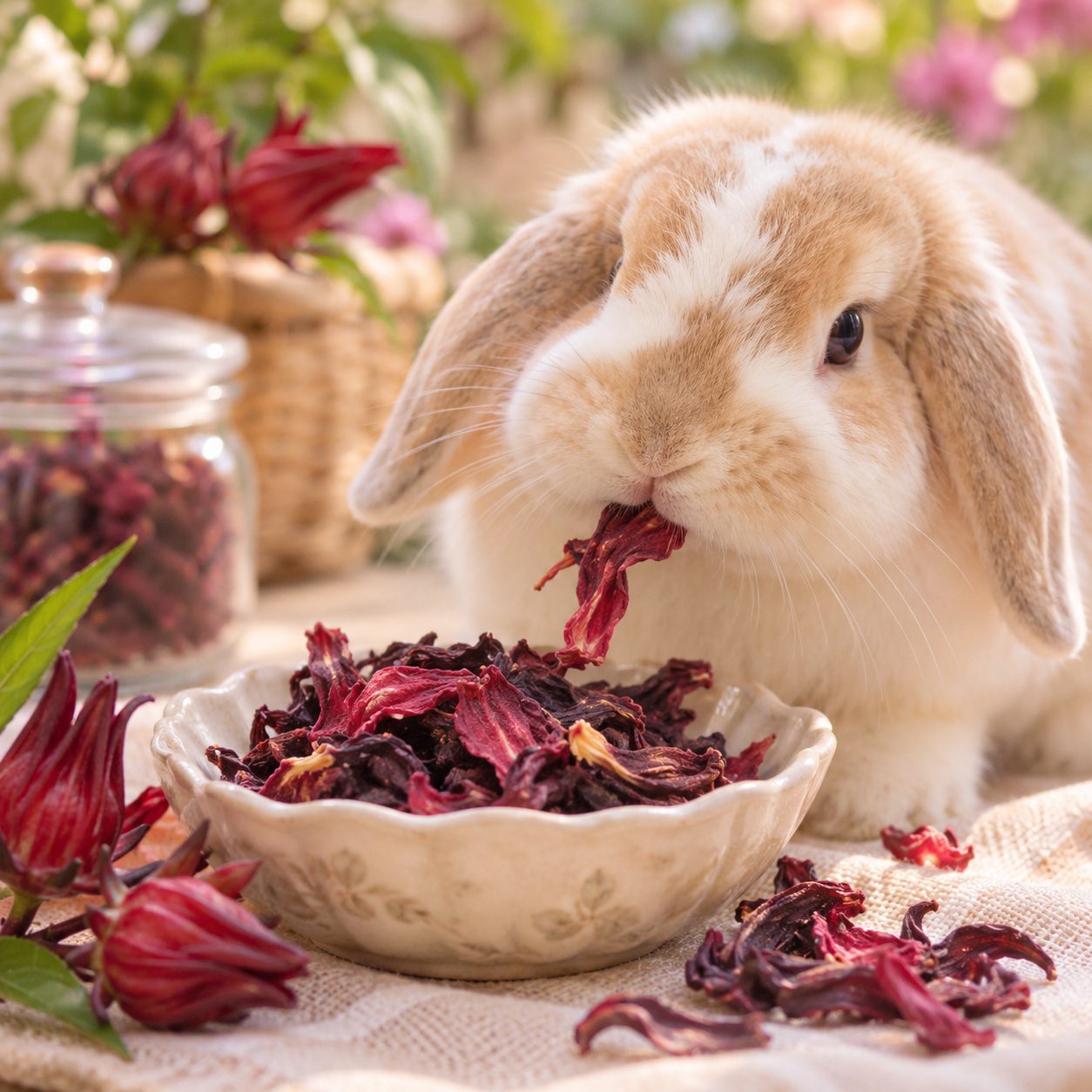
For curious bunnies, hibiscus offers something wonderfully different from ordinary leafy forage: a tangy aroma, delicate tartness and an unusual texture to investigate. Scatter a few torn pieces through hay or offer a tiny botanical surprise during bonding time. A little ruby-red treasure for those ever-busy bunny noses!
Benefits & Botanical Science
Behind hibiscus’s beautiful crimson colour lies a fascinating world of botanical chemistry. Roselle calyces contain anthocyanins, phenolic compounds, naturally occurring organic acids and plant polysaccharides. Each contributes to the plant’s distinctive appearance, flavour or biological properties, making hibiscus an especially interesting addition to a collection of edible botanicals. Let’s explore what makes this ruby-red plant so remarkable.
🌺 Anthocyanins — Nature’s Ruby-Red Antioxidant Pigments
Hibiscus owes much of its magnificent crimson colour to anthocyanins, a family of water-soluble flavonoid pigments also found in blueberries, blackcurrants and certain purple vegetables. Two important anthocyanins identified in roselle are delphinidin-3-sambubioside and cyanidin-3-sambubioside.
These pigments are scientifically interesting because their chemical structures allow them to participate in oxidation-reduction reactions and demonstrate antioxidant activity under laboratory conditions. Antioxidant systems are biologically important because they help regulate oxidative reactions that occur naturally in living cells. The effects of dietary anthocyanins depend on absorption, metabolism and quantity, so the pigment content of roselle should be appreciated as a botanical property rather than a guaranteed health outcome for rabbits.
🍃 Organic Acids & Fascinating Plant Polyphenols
That distinctive tangy character of roselle comes from naturally occurring organic acids, including hibiscus acid, citric acid and malic acid. These compounds contribute to its refreshing sour flavour and form part of its characteristic phytochemical profile. Unlike added flavourings, they are produced naturally as part of the plant’s metabolism.
Roselle also contains phenolic compounds such as protocatechuic acid and other plant polyphenols. Researchers study these molecules for their antioxidant chemistry and possible interactions with biological pathways. Their presence demonstrates how botanically complex an apparently simple dried flower can be, even though the biological effects of small portions of dried roselle in companion rabbits have not been established.
🐰 Plant Polysaccharides & Colourful Foraging Enrichment
Roselle calyces naturally contain structural plant fibre and polysaccharides, including pectin-associated compounds. Plant polysaccharides are important components of many edible botanicals, contributing to their texture and, depending on their structure, their interactions with digestive microorganisms. Rabbits are specialised hindgut fermenters, making the diversity of plant carbohydrates especially interesting in rabbit nutrition.
Beyond its chemistry, dried hibiscus introduces an unusual scent, tart flavour and slightly chewy texture to a bunny’s foraging activities. A few torn pieces tucked among familiar grass hay can encourage sniffing, searching and exploring. It’s a charming way to introduce botanical variety while keeping hay at the centre of the daily menu.
Curious about the science behind this ruby-red botanical? Visit our Herbal Atlas to explore roselle identification, anthocyanin chemistry, natural organic acids and the fascinating research surrounding Hibiscus sabdariffa.
Feeding Tips for Your Bunny
🌱 Begin With a Ruby-Red Nibble
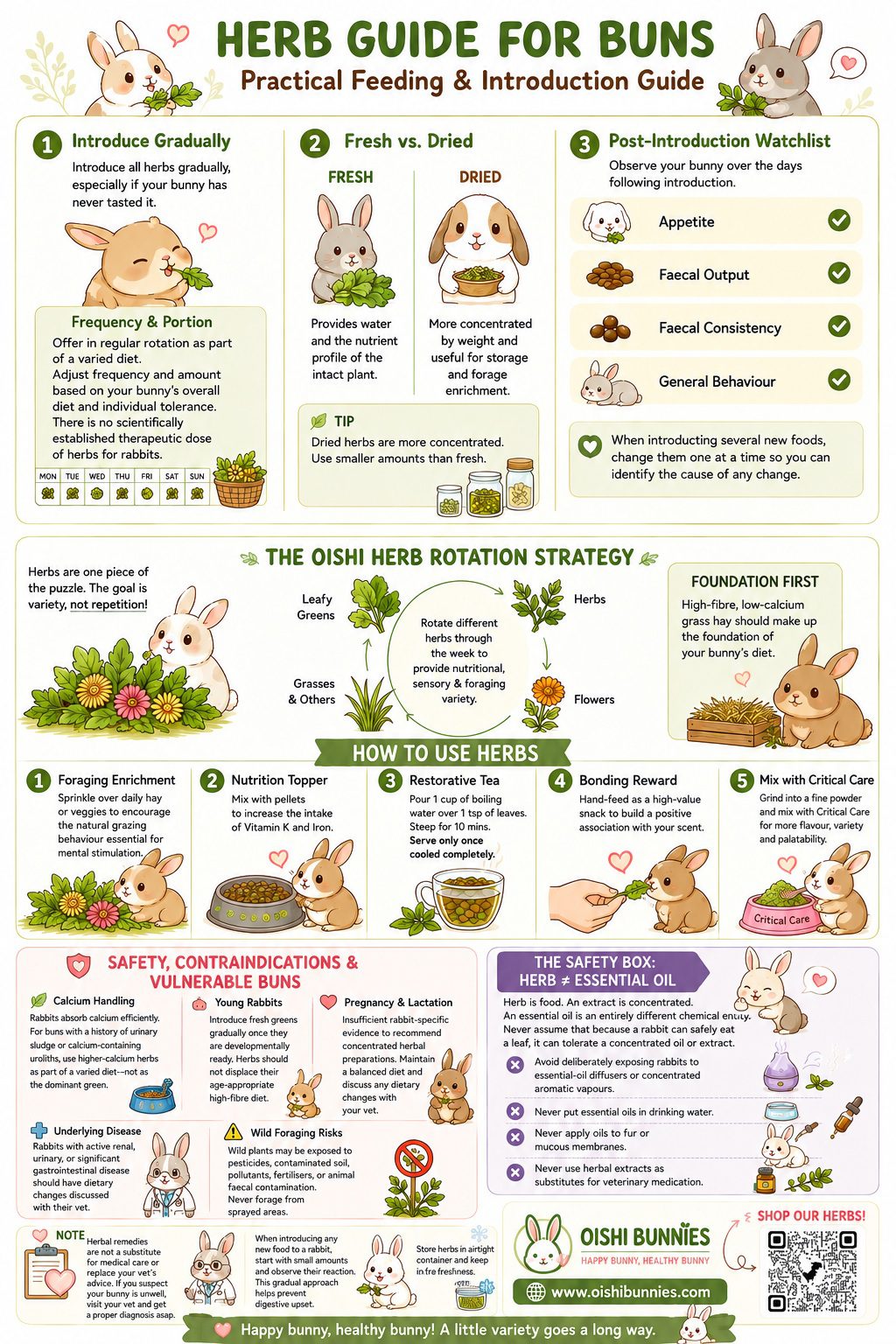
For a healthy adult bunny exploring hibiscus for the first time, begin with a tiny torn piece of plain dried roselle. Allow your bunny to sniff, investigate and decide whether this new botanical deserves a taste. Introduce unfamiliar foods gradually, watching their normal appetite and droppings as they become accustomed to something new.
🌺 A Little Botanical Colour Goes a Long Way
Hibiscus is best enjoyed in small, occasional portions as part of a varied botanical selection. Tear larger dried calyces into small, manageable pieces before offering them. Their naturally concentrated flavour makes even a little an interesting addition to foraging time, without needing to turn hibiscus into an everyday staple.
🌾 Create a Colourful Hay Treasure Hunt
Scatter a few torn hibiscus pieces among your bunny’s favourite Timothy, Orchard or Meadow Hay, or tuck them into a suitable foraging toy. Their distinctive fragrance offers a new scent to investigate and encourages natural searching behaviour. Hay remains the main course, with hibiscus playing the role of an occasional colourful guest.
🍃 Explore Different Botanical Textures
Combine a little hibiscus with familiar, suitable dried leaves or flowers to create a varied foraging assortment. Its curled calyces feel quite different from delicate petals or leafy herbs, giving curious bunnies more opportunities to explore. Choose only plain, food-grade botanicals without added sugar, flavourings or artificial colour.
🏡 Keep the Ruby-Red Goodness Fresh
Store your dried hibiscus in a tightly sealed container away from direct sunlight, heat and humidity. Proper storage helps preserve its colour, characteristic tart aroma and botanical quality. Always check dried botanicals for signs of dampness or mould before offering them to your bunny.
A little ruby-red variety goes a long way. Hay remains the main event!
From Our Herb Garden to the Bunny Bakery
Our love for hibiscus doesn’t end in the herb garden! This beautiful botanical also finds its way into selected Oishi Bunnies creations, bringing its naturally rich colour and distinctive plant character to carefully crafted bunny treats. Discover two bakery favourites featuring organic hibiscus.
🍪 Hay-Pia — Fine Grind Hay-Based Cookies
A light, crunchy rabbit bake made with fine-ground Timothy hay, organic oats and a botanical trio of hibiscus, dandelion and echinacea. A delightful way to discover several fascinating herbs in one thoughtfully crafted treat.
🎂 Red Velvet Cake for Rabbits
A beautifully presented botanical-inspired celebration cake featuring organic oats, beetroot, organic hibiscus and handmade floral decorations. A charming centrepiece for a special bunny occasion. Check the product listing for current availability.
Ordering & Delivery
Please allow approximately 2–4 weeks for pre-order preparation and fulfilment.
Items in the same order are generally dispatched together. If you require ready-stock products earlier, additional shipping charges may apply.
For order-related enquiries, contact us through the WhatsApp chat button on our website.
🐰 Important Bunny Health Notice
Herbal remedies and botanical ingredients are not substitutes for medical care or veterinary advice. If you suspect your bunny is unwell, seek prompt veterinary attention for a proper diagnosis.