

Description
🌼 Traditional Skin & Wound Care
🌿 Traditional Respiratory Soothing
🍃 Traditional Digestive & Urinary Use
🐰 Leafy Forage & Botanical Variety
How to Use Premium Broadleaf Plantain Leaves
- Foraging Enrichment: Scatter a small amount through daily hay to encourage sniffing, searching and natural foraging behaviour.
- Leafy Topper: Add a few torn pieces to familiar greens or the usual pellet portion for extra botanical variety.
- Herbal Infusions: Broadleaf plantain has a history of use in herbal infusions. If considering an infusion for a rabbit with a health condition, discuss the preparation with a rabbit-savvy veterinarian. Keep plain drinking water freely available.
- Bonding Reward: Hand-feed a small piece as a leafy snack. Bunnini can inspect it; Pee-Casso can handle the taste test.
Traditional Herbal Uses & Botanical Value of Broadleaf Plantain
Botanical Name: Plantago major — broadleaf plantain
Pack Size: 35g + 35g Bundle (70g Total)
Notable Constituents: Plant fibre, polysaccharides, iridoid glycosides such as aucubin, flavonoids and other phenolic compounds.
Pack Size: 35g + 35g Bundle (70g Total)
Notable Constituents: Plant fibre, polysaccharides, iridoid glycosides such as aucubin, flavonoids and other phenolic compounds.
⚠️ PRODUCT FEEDING GUIDANCE: Not intended for rabbits under 6 months of age.
A Closer Look at Herbal Properties:
- Traditional Skin & Wound Care: Broadleaf plantain leaves have centuries of recorded use in preparations applied to cuts, minor wounds, burns, insect stings and irritated skin. Crushed leaves, leaf juice and water-based preparations feature in different regional traditions. This history concerns topical herbal preparations, rather than a wound-healing benefit established from eating dried leaves.
- Traditional Respiratory Soothing: Leaf preparations have been used for cough, throat irritation and other respiratory complaints. Some traditions also describe expectorant use to help clear mucus. Broadleaf carries its own respiratory history alongside the better-known European cough tradition of ribwort plantain.
- Traditional Digestive Comfort: Recorded uses include stomach cramps, diarrhoea and gastric irritation. Leaf preparations have also been used for inflamed gums and mouth sores. These varied applications help explain broadleaf plantain’s longstanding reputation as a soothing and astringent herb.
- Traditional Urinary Use: Broadleaf leaf preparations appear in folk traditions for bladder complaints and promoting urination. This is part of its documented herbal history; it does not establish that dietary plantain flushes toxins, prevents bladder sludge or treats urinary disease in rabbits.
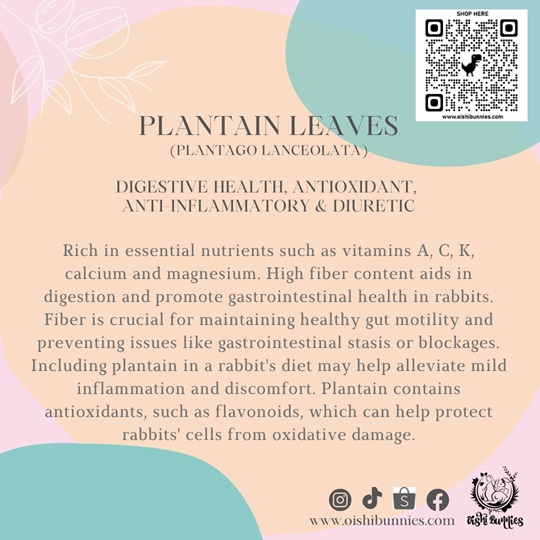
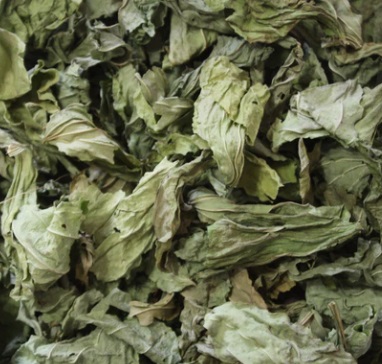
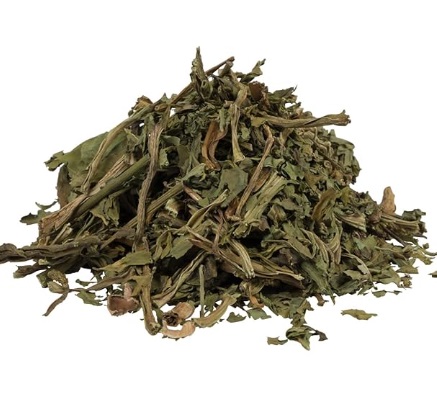
- Leafy Forage & Phytochemical Variety: Broadleaf plantain contributes plant fibre and a range of naturally occurring compounds, including polysaccharides, iridoid glycosides and phenolics. The Rabbit Welfare Association & Fund lists broadleaf plantain among suitable rabbit greens. Dried leaves offer texture, flavour and variety within a hay-based diet.
Scientific context: Broadleaf plantain’s traditional uses have attracted research into its constituents, inflammatory activity and wound-related effects. Studies use different extracts, isolated compounds and routes of administration. For companion rabbits eating whole leaves, the clearest established role is forage and enrichment; a therapeutic whole-leaf dose has not been established.
🐰 Feeding & Safety Guide
- Gradual Introduction: Start with a small piece as an addition to familiar foods. Watch appetite, droppings and behaviour over the next 24–48 hours before increasing the amount.
- Watch for Changes: Stop the new food if digestive changes occur. Reduced appetite, fewer droppings, bloating or signs of pain need prompt veterinary attention—do not wait for the observation period to finish.
- Dietary Rule: Keep unlimited grass hay and fresh water available. Plantain leaves belong within a varied forage selection and should not displace the rabbit’s usual hay-based diet.
- Storage: Keep leaves dry in an airtight container. If storing in the freezer, use sealed portions and allow each portion to reach room temperature before opening to reduce condensation. Discard anything damp, musty or mouldy.
🍃 Shipping & Service T&Cs
- Pre-Orders: Shipping takes 3–5 weeks. We consolidate all items into a single parcel.
- Delivery: Flat fee $5.00 door-to-door courier. FREE SHIPPING for orders over $80.00.
- Medical Disclaimer: Traditional herbal uses are provided for educational context. Dietary herbs do not replace professional veterinary advice or treatment. If your bunny is unwell, seek a proper diagnosis from a rabbit-savvy veterinarian.