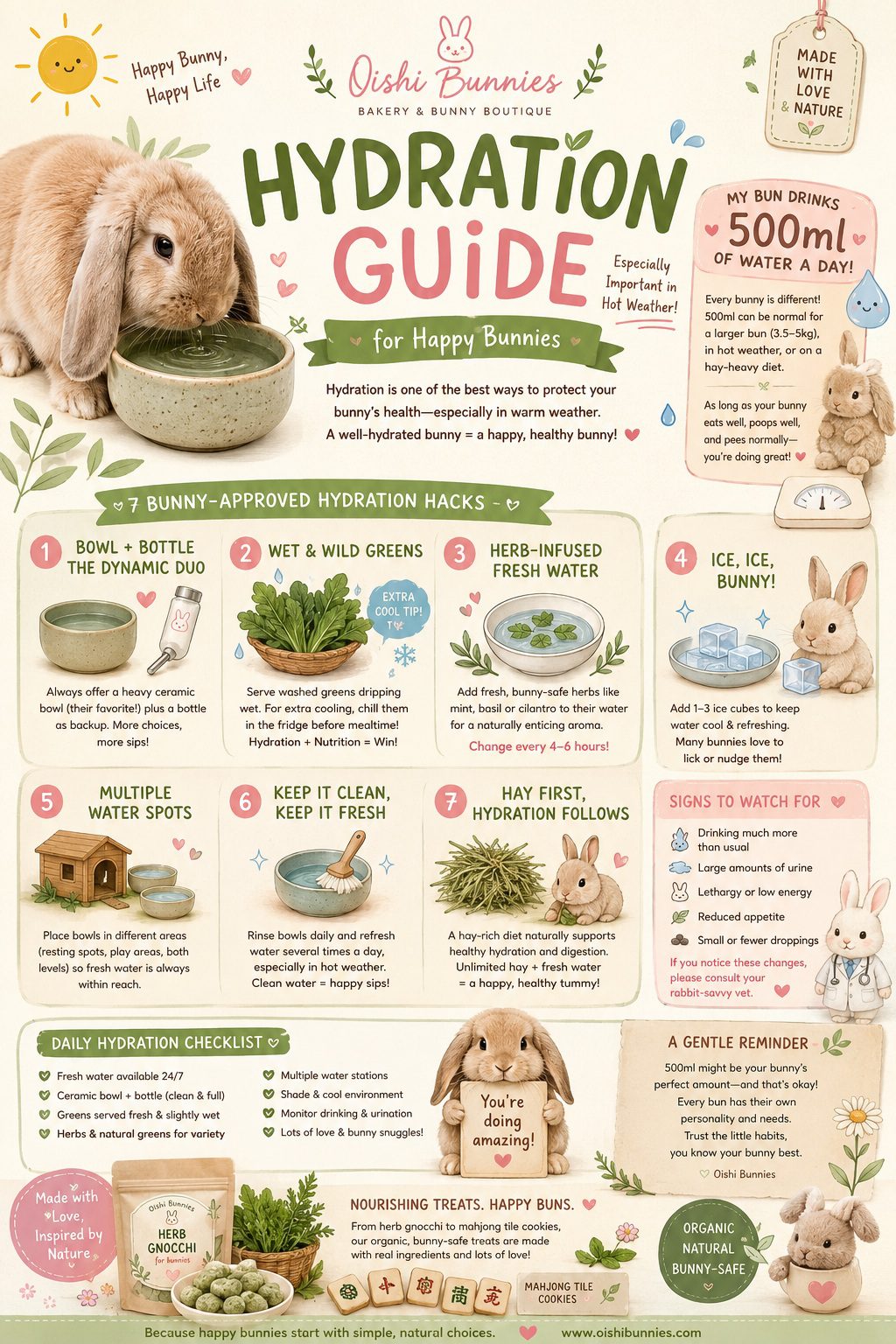
Hydration Hacks: 10 Simple Ways to Help Your Rabbit Drink More Water in Hot Weather

hydration hacks

📱 Pro-Tip: Viewing on a mobile device? Switch your browser to Desktop Mode or rotate to Landscape Layout for the ultimate masterclass reading layout!

Hydration Hacks: 10 Simple Ways to Help Your Rabbit Drink More Water in Hot Weather

⏱️ Estimated Read Time: 5 mins
 

When ambient temperatures rise, keeping your rabbit hydrated transitions from a basic care requirement to a critical medical preventative.

Unlike humans, rabbits cannot tell us they are parched. Because they are biologically designed to hide weakness from predators, a rabbit won’t look “thirsty” until they are already in a state of clinical dehydration. By the time the signs are obvious, their delicate internal systems may already be compromised.

Fortunately, encouraging your rabbit to drink more doesn’t require complex medical intervention. Making strategic, small adjustments around your home can dramatically increase their fluid intake. Let’s dive into 10 simple, rabbit-safe hydration hacks.

Why Hydration Matters: The Rabbit Physiology

Water is the literal engine of a rabbit’s anatomy. Because rabbits possess a highly sensitive, forward-moving gastrointestinal (GI) tract, a drop in systemic hydration directly impacts their gut motility.

Proper hydration is vital to:

  • Keep the digestive system moving
    Water softens the high-fiber stomach contents, preventing painful impactions.
  • Reduce the risk of GI Stasis
    Dehydration causes the cecal contents to dry out, leading to a dangerous, often fatal halt in gut motility.
  • Support kidney and bladder health
    Adequate fluid intake flushes out excess dietary calcium, preventing dangerous bladder sludge and stones.
  • Regulate body temperature
    Rabbits do not sweat; they dissipate heat primarily through their highly vascular ears and panting, which significantly increases respiratory water loss.
  • Maintain healthy blood circulation
    Protects vital organs and maintains core blood volume to shield against heat-induced shock.

How Much Water Should Rabbits Drink?

There is no rigid, single number that applies to every rabbit. As a general physiological baseline, a healthy rabbit typically drinks about 50 to 150 mL of water per kilogram of body weight daily. That means a small rabbit can easily drink as much water in 24 hours as a 10-kilogram dog!

Rabbit WeightTypical Daily Water Intake Range *
1 kg50 – 150 mL
2 kg100 – 300 mL
3 kg150 – 450 mL
4 kg+200 – 600+ mL

* These are rough, clinical benchmarks. Healthy rabbits can fluctuate outside these ranges depending on their specific circumstances.

My Rabbit Drinks 500 mL a Day—Is That Normal?

If your rabbit is hitting the 500 mL mark daily, it is undeniably on the high side for a standard house rabbit, but context is everything.

When 500 mL is Perfectly Normal:

A rabbit can easily crush a half-liter of water a day if they:

  • Are a large or giant breed (weighing 3.5 kg to 5 kg or more).
  • Eat a predominantly dry, hay-based diet with very few fresh vegetables.
  • Live in a hot, humid climate like Singapore, where respiratory cooling water loss is high.
  • Are highly active, free-roaming, or younger.
  • Have always drunk this amount. If they are bright, active, and holding a stable weight, it may simply be their unique physiological baseline.

When it is a Medical Concern:

A sudden, uncharacteristic spike in thirst (polydipsia), especially alongside increased urination, is a primary red flag pointing to:

  • Chronic Kidney Disease (CKD): Failing kidneys lose the ability to concentrate urine, requiring constant fluid intake to flush toxins.
  • Bladder or Urinary Disorders: Painful bladder sludge, stones, or UTIs can radically distort normal habits.
  • Diabetes Mellitus: While relatively rare, metabolic shifts can lead to extreme systemic thirst.
  • Pain or Systemic Illness: Dental pain or spinal arthritis can cause standard behavioral changes like obsessive bowl hovering.

💡
The Golden Rule of Monitoring

A rabbit eating a large daily portion of fresh, wet vegetables will naturally visit the water source less often than a rabbit on a strictly dry hay-and-pellet diet. Rather than obsessing over exact milliliters, look for consistency. A sudden, sharp change in their baseline habit—up or down—is far more clinically significant than the actual raw volume.

🚀

THE ULTIMATE SUPER HYDRATION HACK: Preventative Syringe Training

Don’t wait for a medical emergency to introduce a syringe. Train your rabbit to love it while they are young and healthy!

Rabbits are highly sensitive to stress. If their first experience with a syringe happens when they are already fighting GI stasis or dehydration, the physical struggle and adrenaline spike can actively slow down gut motility. Instead, offer a 1ml or 3ml syringe filled with pure water or a tiny drop of appelin as a daily game. When they realize the plastic nozzle only brings rewards, they will happily lap from it. If they ever require critical care fluids or oral medications later in life, administering them will be completely stress-free.

10 Simple Hydration Hacks

  1. 1. Offer Water in a Bowl Instead of Only a Bottle

    Lapine behavioral studies consistently show that rabbits heavily prefer drinking from an open water source over a metal sipper tube. Open dishes allow them to lap up water rapidly, matching their physiological thirst drive. Use a heavy, tip-proof ceramic water bowl; the dense material naturally helps insulate the liquid, keeping it cooler for longer.

  2. 2. Place Multiple Water Stations

    Rabbits are creatures of convenience. If they have to travel across the house or to a different level of their enclosure while feeling lethargic from the heat, they may simply choose to skip it. Position secondary bowls in their favorite shaded resting spots and active play zones.

  3. 3. Keep Water Cool (But Not Ice Cold)

    On a hot afternoon, room-temperature or lukewarm water is entirely unappealing. Refresh their bowls with cool, fresh water multiple times a day. Keep your spare water pitchers stored indoors or in the refrigerator, and ensure all water stations are kept entirely out of direct sunlight.

  4. 4. Feed Water-Rich, Safe Vegetables

    Fresh greens double as a nutritional powerhouse and a biological hydration vehicle. Excellent daily options include:

    • Romaine lettuce (high water, low calcium)
    • Coriander / Cilantro (acts as a brilliant appetite stimulant)
    • Bok choy and Celery (cut into small, 1-inch pieces to break up stringy fibers)
    • Cucumber (served in moderation due to low fiber)
  5. 5. Serve Vegetables While They’re Still Damp

    Don’t reach for the salad spinner. After thoroughly washing your rabbit’s daily herbs and leafy greens, serve them while they are still dripping wet. Your rabbit will unknowingly consume a significant volume of extra water with every single bite of their crunchy salad.

  6. 6. Add a Second Water Bowl Outdoors

    For rabbits enjoying supervised playtime in an outdoor run or balcony, always provide a minimum of two water sources tucked away in deep shade. Sunlight warms up metal and thin plastic incredibly fast, turning drinking water into an unpalatable hot bath within an hour.

  7. 7. Encourage High Hay Consumption

    It sounds counterintuitive, but high-fiber grass hay requires significant lubrication to move smoothly through the cecum and intestines. A rabbit with a healthy, robust appetite for hay will naturally visit their water bowl far more frequently to balance their internal fluid ratios.

  8. 8. Maintain Pristine Bowl Cleanliness

    Rabbits possess an incredibly sensitive sense of smell and taste. If their water bowl contains stray strands of fur, floating hay dust, or a rogue fecal pellet, many fastidious rabbits will refuse to touch it. Wash ceramic bowls daily with hot water to ensure no slick biofilm builds up.

  9. 9. Make Drinking Easy for Older Rabbits

    Senior rabbits suffering from arthritis or spinal stiffness may find it painful to bend down deeply over a standard bowl edge. Use low-profile, shallow ceramic dishes, and ensure a dedicated water station is placed directly adjacent to their favorite resting spot.

  10. 10. Never Add Flavourings Without Veterinary Advice

    While the internet frequently recommends adding store-bought fruit juices, honey, or commercial electrolytes to water, these are generally unnecessary and can cause a dangerous bacterial bloom in the hindgut. Keep their primary water source pure and unadulterated. (Tip: You can safely drop a few crushed, fresh mint leaves into the water for a natural scent enticement, provided you swap the bowl out within 4 hours).

Clinical Vigilance

Signs Your Rabbit May Not Be Drinking Enough

Rabbits hide illness masterfully. Keep a close eye out for these vital clinical indicators of progressive rabbit dehydration and systemic heat stress.


💧Urinary Changes

Smaller, less frequent urine patches, or urine that looks unusually dark and thick. (Note: Lapine urine naturally ranges from yellow to deep amber/red based on plant pigments).

🦷 Physical Metrics

Dry, sticky, or tacky gums upon gentle inspection instead of their normal slick, glistening, light-pink mucous membranes.

💤 Behavioral Shifts

Severe lethargy, flopping out listlessly in uncharacteristic, high-traffic areas, or a sudden, sharp refusal to accept their favorite daily treats or hay.

⚠️ Digestive Warning Signs

Noticeably smaller, harder, misshapen droppings, or a total halt in fecal output—this is the primary indicator of approaching, life-threatening GI stasis.


Evidence-Based Care

Hydration Myths vs. Facts


❌ Myth: “Adding ice cubes keeps them cooler.”

Fact: Not necessarily. Many rabbits find floating, freezing ice cubes startling or intensely dislike ice-cold water, causing them to abandon the bowl entirely. Cool, freshly refreshed water is far more reliable.

❌ Myth: “Water bottles are always cleaner than bowls.”

Fact: False. The metal ball bearings inside bottle nozzles are notorious for trapping saliva, hair, and back-washed bacteria. Without daily mechanical scrubbing, a clear layer of algae and bacterial biofilm quickly coats the interior.

❌ Myth: “If they eat vegetables, they don’t need water.”

Fact: While water-rich greens provide a brilliant hydration boost, they can never fully replace a rabbit’s baseline metabolic demand for free-access, clean drinking water.

❌ Social Myth: “Rabbits die if they drink water.”

Fact: This dangerous, viral misconception stems from a total misunderstanding of rabbit digestion. Like any mammal, a rabbit’s body is 60–70% water; withholding it is completely fatal.

Historically, owners fed rabbits unwashed, wet greens covered in pathogens. The resulting bacterial enteritis (fatal diarrhea) was blamed on the “water” rather than the bacteria. In reality, a dry gut triggers fatal GI Stasis.

Summary

Final Thoughts

Successfully navigating hot weather isn’t about finding one magical trick—it’s about creating an environment where taking a drink is easy, appealing, and always accessible. By swapping out narrow bottles for heavy ceramic dishes, serving damp botanical greens, and keeping multiple cool water stations across the home, you can confidently keep your rabbit’s digestive system humming smoothly all season long.

🚨 Crucial Warning: If your rabbit’s water intake suddenly plummets, spikes uncharacteristically, or they exhibit any signs of lethargy, skip the home remedies and contact a rabbit-savvy veterinarian immediately.


Daily Protocol

Quick Hydration Checklist

  Fresh, clean water accessible 24/7.
  Heavy, insulated ceramic water bowl provided.
  Water refreshed multiple times a day during peak heat.
  Unlimited premium grass hay always available.
  Fresh leafy greens served thoroughly damp.
  Multiple water stations set up in high-traffic resting zones.
  All drinking water kept entirely out of direct sunlight.
  Daily monitoring of urine output and fecal size.
  Emergency contact info for a rabbit-savvy vet saved in your phone.

Summary

Final Thoughts

Successfully navigating hot weather isn’t about finding one magical trick—it’s about creating an environment where taking a drink is easy, appealing, and always accessible. By swapping out narrow bottles for heavy ceramic dishes, serving damp botanical greens, and keeping multiple cool water stations across the home, you can confidently keep your rabbit’s digestive system humming smoothly all season long.

🚨 Crucial Warning: If your rabbit’s water intake suddenly plummets, spikes uncharacteristically, or they exhibit any signs of lethargy, skip the home remedies and contact a rabbit-savvy veterinarian immediately.


Daily Protocol

Quick Hydration Checklist


   Fresh, clean water accessible 24/7.
   Heavy, insulated ceramic water bowl provided.
   Water refreshed multiple times a day during peak heat.
   Unlimited premium grass hay always available.
   Fresh leafy greens served thoroughly damp.
   Multiple water stations set up in high-traffic resting zones.
   All drinking water kept entirely out of direct sunlight.
   Daily monitoring of urine output and fecal size.
   Emergency contact info for a rabbit-savvy vet saved in your phone.
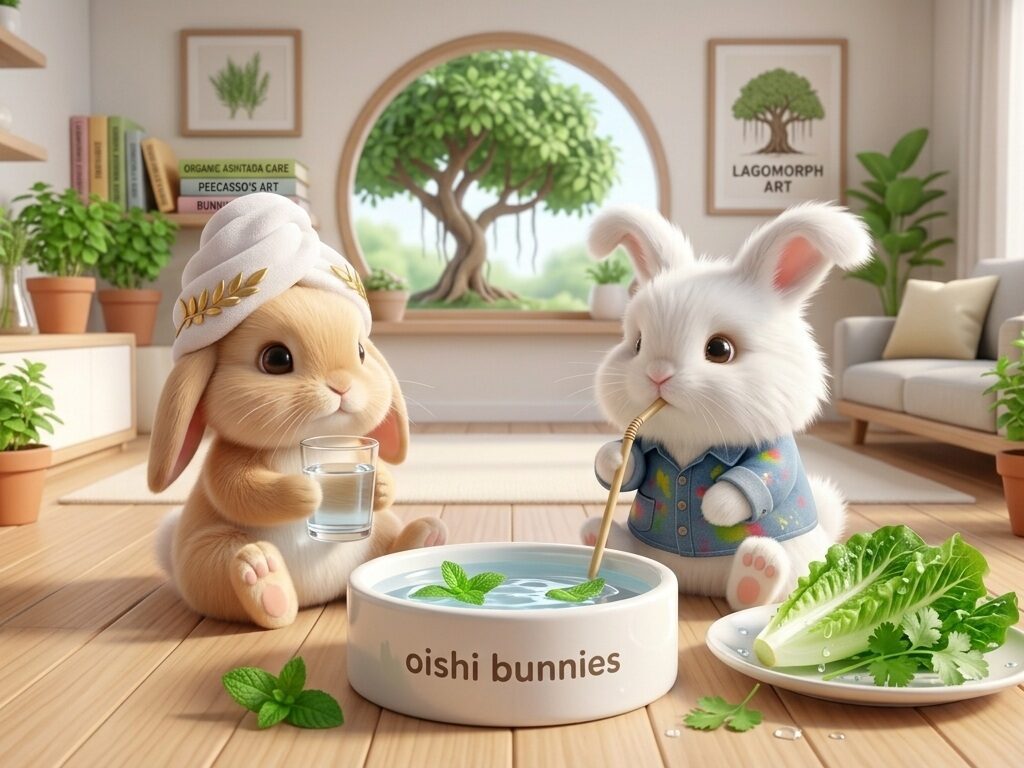
Two pet rabbits trying out summer hydration hacks by drinking from a ceramic water bowl

🐾 100% Rescue-Backed & Sustainable

Fuel Their Hydration. Support the Sanctuary.

Every single treat, premium herb blend, and curated lifestyle item you purchase directly funds the critical medical rehab, rescue operations, and rehoming efforts at Oishi Bunnies. Spoil your beloved bunnies with premium nutrition while providing a second chance at life for vulnerable shelter rabbits.


🌿

Premium Organic Herbs

Pure, pristine, botanical supplements designed to mimic natural foraging. The ultimate, aromatic scent-lure to infuse into daily water stations or sprinkle over long-stem grass hay.

🎂

The Foodie Birthday Bundle

Celebrate your bunny’s milestones safely. Handcrafted, high-fiber gourmet cookies and premium treats designed to reward your best friend without shifting crucial cecal pH balances.

Every product is lovingly curated by our rescue platform. Ethically sourced, scientifically optimized, and entirely rabbit-approved.