 Pro-Tip: Viewing on a mobile device? Switch your browser to Desktop Mode or
rotate to Landscape Layout for the ultimate masterclass reading layout. Estimated Reading Time: 13 mins
Quick answer: Good rabbit hydration starts with constant access to fresh, clean water and a diet built on grass hay. Fresh foods add moisture, so water intake in rabbits includes more than what disappears from the bowl. Eating less, fewer droppings, painful urination or unusual breathing need a vet. Possible rabbit dehydration should be assessed alongside the underlying cause, rather than treated as a reason simply to offer more water and wait.
Why daily rabbit hydration matters
Water works everywhere in the body
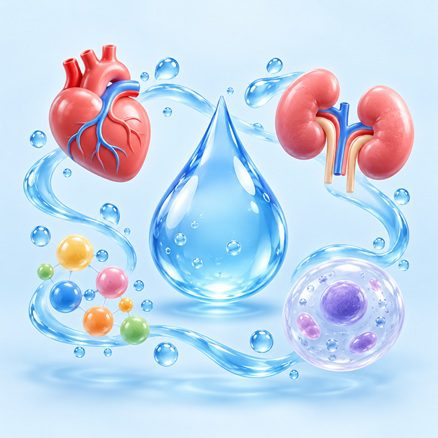
Rabbit hydration supports blood volume, nutrient transport and normal cell activity. Water is present in digestive secretions, joint fluid and the fluid around tissues. The kidneys use it to make urine and remove metabolic waste, making adequate fluid availability part of everyday rabbit urinary health.
You’ll often hear “flushing toxins”. Removing normal waste products is the more accurate phrase. Extra drinking doesn’t automatically detoxify a rabbit or repair diseased kidneys.
Rabbit bodies are mostly water, in substantial proportion. An older physiological study cited in Biology and Diseases of Rabbits reported approximately 58% in adult rabbits. That gives you a sense of scale. It isn’t a fixed number for every breed, age and body condition.
A fibre-rich gut runs on fluid
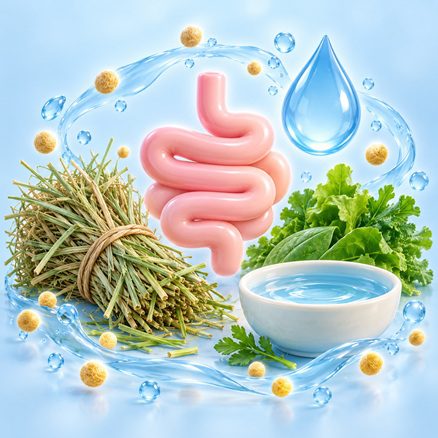
Rabbits eat, secrete digestive fluids, absorb nutrients, reabsorb water and produce droppings in a continuous loop. Water moves between the bloodstream and the gut throughout this process. Water intake in rabbits helps replenish normal losses, while digestive secretions and reabsorption keep fluid circulating within the body.
So the gut needs two things: the right food and enough water. Drinking more can’t make up for too little fibre. And a hay-rich diet doesn’t cancel the need for drinking water.
Fresh grass and tolerated leafy greens provide food moisture, so some rabbits drink less from their bowls when they eat more fresh food. Good rabbit care looks at the full pattern: drinking, food intake, droppings, urination and behaviour. A change in bowl consumption alone does not confirm rabbit dehydration.
Water helps with temperature, but it can’t fix a hot room
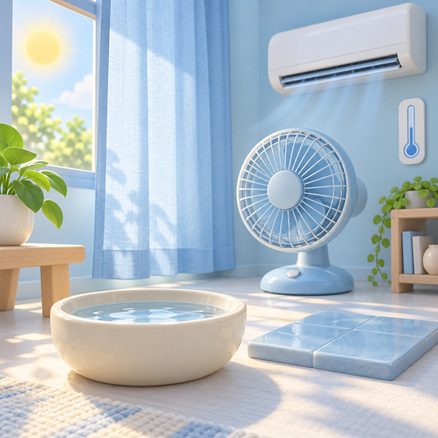
Rabbits shed heat through their ears and use behaviour, like seeking shade and cool surfaces, to manage temperature. They don’t sweat the way we do, and panting isn’t an effective everyday cooling method for them.
Reliable rabbit hydration belongs alongside shade, ventilation and comfortable resting areas. Keep water available, and keep the room comfortable too. A full bowl doesn’t make a hot, stuffy enclosure safe.
There’s also no useful universal countdown for how long a rabbit can safely go without water. Food moisture, temperature, health and how long the deprivation lasts all change the picture. Water should always be available, and an unwell rabbit should be assessed promptly.
During warmer conditions, check that bowls remain clean and easy to reach, and that drinking devices actually deliver water. Attentive rabbit care means watching the rabbit as well as the room: weakness or difficult breathing calls for urgent veterinary attention, not just a cooler drink.
How water supports digestion
Water helps turn chewed plant material into moist gut contents, provides the fluid medium for digestion and fermentation, and is absorbed and recycled along the digestive tract. Here’s what it does at each stage—and why that matters.
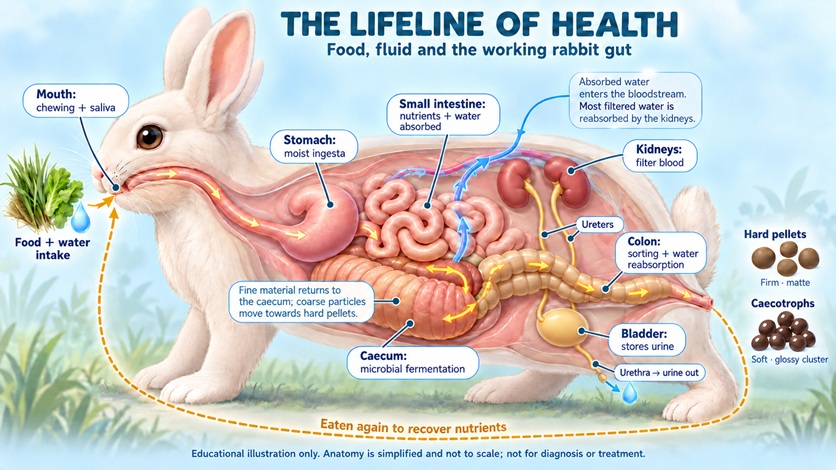
Mouth + stomach: moisten and mix
Chewed food mixes with saliva and digestive secretions to form moist ingesta. Water helps disperse food particles and dissolved substances within this mixture.
Why it matters: Food travels through the gut as hydrated contents, rather than dry hay. If movement slows, retained contents can lose moisture and become more compact.
Small intestine: digest and absorb
Digestive enzymes work in a fluid environment to break down suitable food components. Nutrients are absorbed through the intestinal lining, and water moves between the gut and the bloodstream.
Why it matters: This fluid medium lets digestive substances mix and dissolved nutrients reach the intestinal surface. Absorbed water also contributes to hydration throughout the body.
Caecum: support fermentation
Fine particles and soluble material are directed into the caecum, where microbes ferment suitable food components. Water forms part of the moist environment in which these contents mix and microbial activity takes place.
Why it matters: Fermentation depends on an appropriate combination of fluid, food material, microbes and acidity. Water supports that environment; it does not independently switch fermentation on.
Colon: sort and recover water
During hard-pellet production, the proximal colon separates gut contents: fluid carrying fine particles and soluble material moves back towards the caecum, while coarse particles move onwards. Further along the colon, water is reabsorbed as hard droppings form.
Why it matters: Fluid helps the sorting process, and water recovery limits losses in droppings. Caecal contents are periodically passed as soft caecotrophs, usually eaten directly from the anus to recover nutrients.
When hydration and gut movement falter
Dehydration and slowing gut movement can reinforce each other. Retained contents may become drier and more compact, while discomfort and reduced appetite can mean even less food and fluid coming in.
This is why veterinary care may address hydration, pain, nutrition and the underlying cause together. Dry contents do not automatically mean a physical blockage, and offering extra water alone will not resolve every gut problem. Reduced eating or fewer droppings need prompt veterinary advice.
The everyday pairing: Fibre supports normal gut movement; adequate hydration supports the conditions in which digestion happens. Offer unlimited suitable grass hay and freely available water. Fresh grass and tolerated leafy greens add moisture and variety.
Further reading: Merck Veterinary Manual: Nutrition of Rabbits.
The Domino Effect of Danger
Rabbit dehydration can contribute to illness, and illness can cause dehydration. The “domino effect” describes problems that reinforce each other, particularly when eating, drinking and gut movement decline together. Understanding the connection between rabbit hydration, digestion and rabbit urinary health helps owners recognise changes. It isn’t a sequence that always plays out.
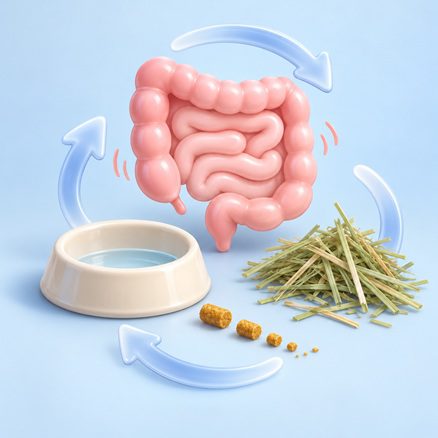
The gut feedback loop
A rabbit may eat less because of dental pain, another painful condition, stress or illness. Reduced water intake in rabbits, alongside lower food intake, can go hand in hand with slowing gut movement. Retained contents get drier, discomfort grows, and appetite may fall further.
Changes in fermentation and gas build-up can add to the problem. The starting point isn’t always an empty water bowl, and the answer isn’t always more drinking water.
Fresh greens supply water as well as food. If a rabbit stops eating them, that source of moisture falls too—even if a bowl is still available. Watching both eating and drinking gives a fuller picture than checking water levels alone.
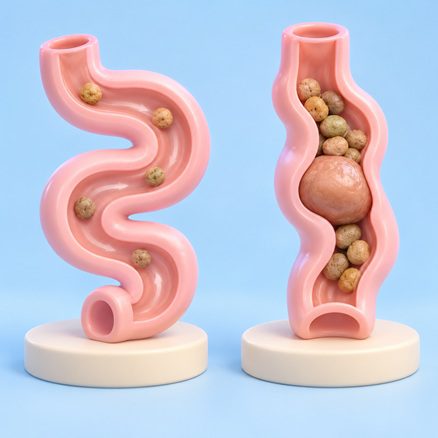
GI stasis isn’t the same as a physical obstruction
GI stasis means markedly reduced movement through the gastrointestinal tract. An obstruction physically stops material passing through. Both can cause reduced appetite, fewer droppings and pain, and owners can’t reliably tell them apart at home.
Vets may need an examination, imaging and lab tests to work it out. Restoring rabbit hydration, providing pain relief and offering suitable nutritional support are central to many gut cases. Motility medication and assisted feeding depend on the diagnosis. The fluid route and volume are chosen for the individual patient, and severely ill rabbits may need intravenous treatment. (Beecroft Animal Specialists & Emergency Hospital)
Calling a vet early lets those decisions happen safely. And “same-day assessment” isn’t permission to wait until evening when symptoms are severe.
A rabbit hydration plan for an ill patient is not a home drinking target. The vet considers hydration status, circulation, ongoing losses and the diagnosis. Fluids left over from a previous illness should not become an automatic response to a new episode.
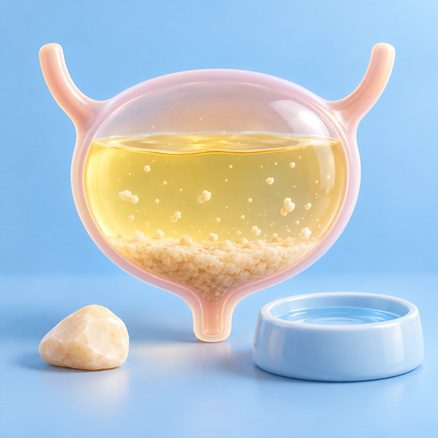
Urinary sediment, sludge and stones
Rabbits excrete a relatively large amount of calcium through urine. Some cloudiness or chalky residue can be normal. Sludge is different. It’s dense, accumulated sediment that can turn gritty or toothpaste-like and hard to pass.
Several factors can affect rabbit urinary health: low fluid intake, concentrated urine, poor bladder emptying, reduced mobility, obesity, diet and disease may all contribute. Sludge and stones can occur together, but one doesn’t inevitably become the other. Pain, straining, repeated small urinations or a persistently wet rear all need assessment. (The Unusual Pet Vets)
Maintaining rabbit hydration is one part of urinary care, alongside comfortable movement and access to a usable litter tray. A rabbit that repeatedly strains but produces little or no urine needs emergency assessment; changing its water bowl is not enough.
Calcium needs context
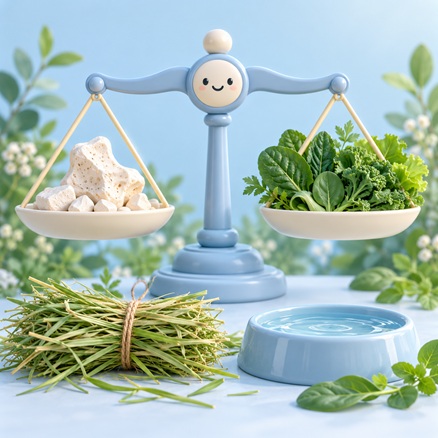
Calcium is essential. A urinary problem isn’t a reason to cut it out of the diet indiscriminately or ban every higher-calcium leaf.
Good rabbit care looks at the whole diet, actual portions, life stage, hydration and medical history. Grass hay usually suits healthy adult maintenance rabbits. Alfalfa may have a role for growing rabbits or in an individual nutrition plan. Mineral supplements should have a specific reason behind them.
Fresh parsley and dandelion can supply useful moisture despite their calcium content. The drinking study shows why judging fresh foods by calcium concentration alone misses part of the picture.
Dietary balance supports rabbit urinary health without treating every mineral-rich food as a problem. For rabbits with a history of sludge or stones, individual veterinary advice can help assess food portions, supplements, mobility and drinking habits together.
Where gut and urinary problems meet
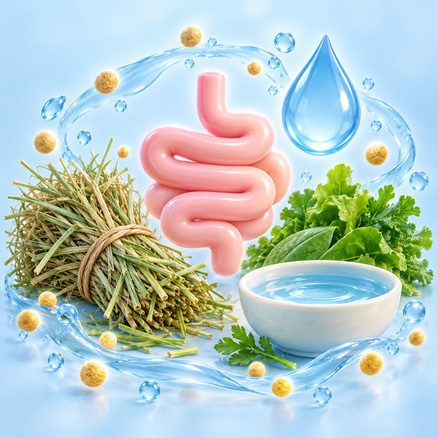
A painful bladder can reduce eating and movement. A rabbit that’s already eating poorly takes in less food moisture and may visit the water less. These two systems can affect each other, but neither pattern of symptoms tells you where the trouble started.
Significant rabbit dehydration can also compromise circulation and blood flow to the kidneys. “Kidneys working harder” doesn’t capture every mechanism, and a short dip in drinking doesn’t automatically mean organ damage.
The practical goal is to notice changes in water intake in rabbits alongside appetite, droppings, urination and comfort. Consistent rabbit care makes those changes easier to describe to the clinic, helping the vet investigate the cause rather than assuming dehydration explains everything.
 Scientific Transparency & Care Disclaimer
 Scientific Transparency & Care Disclaimer
Educative Intent: The data provided within The Modern Art of Rabbit Care and the Oishi Bunnies platform is grounded in extensive rescue, rehabilitation, and organic nutrition experience. While we prioritize strict medical and scientific accuracy, this content is engineered for educational purposes only and does not constitute official veterinary advice, clinical diagnosis, or prescribed medical treatment.
Sanctuary Safety & Ergonomics: Husbandry guidelines—including hydration metrics, environmental setups, and anatomical positioning adjustments—are highly dependent on your specific household ecosystem and individual animal profiles. Always monitor your rabbit’s clinical responses closely during any transition phase.
Anatomy-Aware Handling: Always consult an experienced, rabbit-savvy medical professional before modifying current care protocols or executing dynamic environmental shifts. Oishi Bunnies advocates for transparency and empirical knowledge; however, we cannot assume liability for actions executed without professional veterinary oversight.