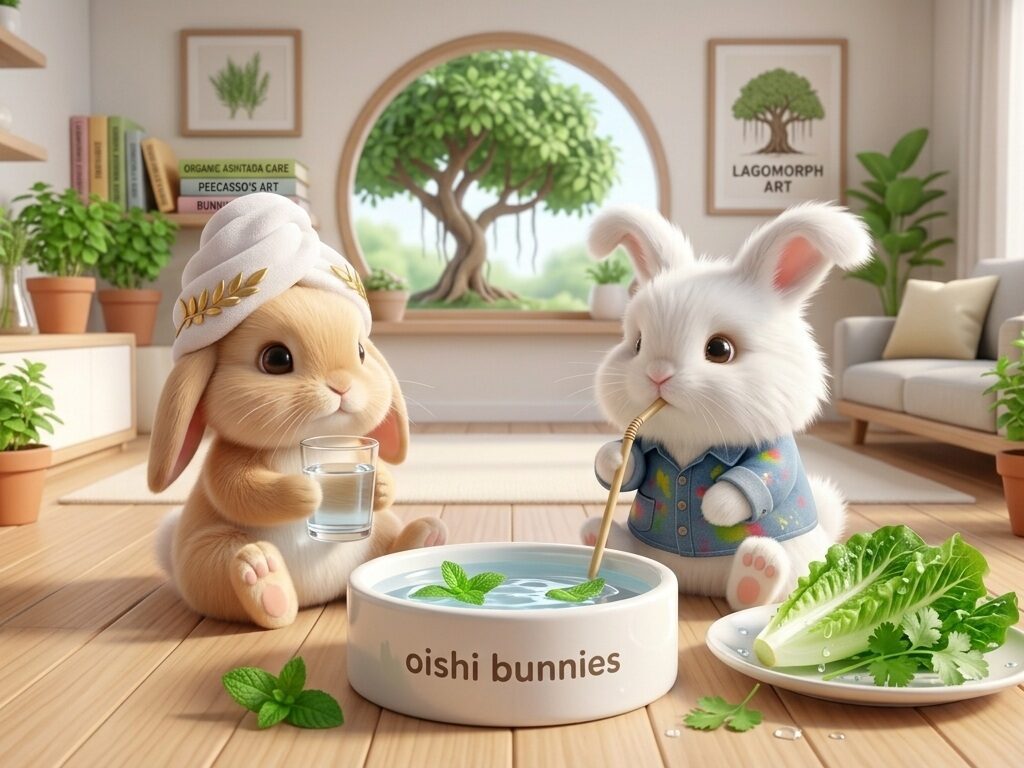
Hydration Hacks: 12 Simple Ways to Help Your Rabbit Drink More Water in Hot Weather

hydration hacks

📱 Reading tip: Viewing on your phone? For a wider view, try rotating to landscape or switching your browser to Desktop Mode.

⏱️ Estimated reading time: 7 minutes

Rabbit Hydration Hacks:
12 Simple Ways to Help Your Rabbit Drink More Water in Hot Weather

Rabbits don’t cool themselves by sweating like we do, and the early signs of feeling unwell can be easy to miss. Caring for rabbits in hot weather starts with everyday checks—including a look at the water bowl.

Good rabbit hydration depends on fresh drinking water, easy access and a setup that works for your bunny. A rabbit who’s drinking too little may not make a fuss, so pay attention to their usual habits. Keeping their surroundings cool matters too—water alone cannot protect a rabbit from overheating.

If you’re wondering how to help your rabbit drink more water, small, inexpensive changes are a useful place to start. From choosing a comfortable rabbit water bowl to placing extra water stations near favourite resting spots, this guide explores 12 practical ways to support hydration.

We’ll also look at how much water rabbits should drink, how food moisture affects rabbit water intake, and which changes in drinking deserve a vet’s attention.

The aim is to keep your rabbit hydrated and comfortable—not chase the biggest possible water intake. Keep fresh water freely available alongside shade and a cool environment.

Why Rabbit Hydration Matters

Good rabbit hydration supports your bunny’s digestion, urinary system and circulation. If you’re wondering how to help your rabbit drink more water in hot weather, start with fresh drinking water and a cool, comfortable environment. Both matter for keeping your rabbit hydrated and supporting their everyday wellbeing.

Keep the gut contents moist.

Fibre and water are a team. Water helps keep food and other contents in the digestive tract moist, while adequate fibre supports normal gut movement. Fresh water belongs alongside hay as an everyday rabbit-care essential.
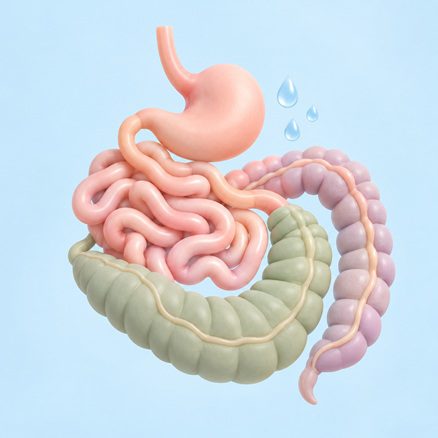
Pastel illustration of digestive organs with water droplets representing rabbit hydration

Reduce dehydration’s contribution to GI stasis.

Dehydration in rabbits can contribute to gastrointestinal (GI) stasis, alongside pain, stress, too little fibre and other illnesses. It can become a vicious circle: a rabbit who eats and drinks less may become more dehydrated, worsening the problem. Good hydration supports a healthy gut, but water alone can’t prevent or treat stasis.
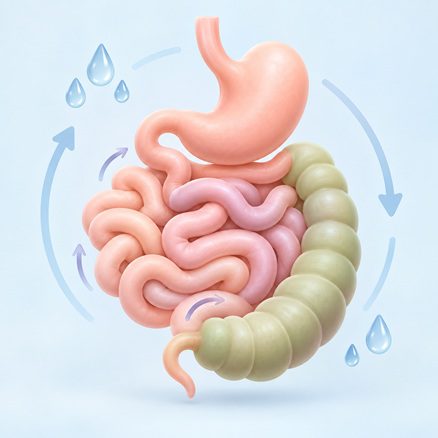
Pastel digestive-organ illustration with arrows representing gut movement and hydration

Look after the kidneys and bladder.

Rabbits naturally excrete calcium in their urine. Adequate rabbit water intake supports urine production and helps keep urine less concentrated. Hydration is one part of urinary care, alongside diet, movement and regular bladder emptying. It can’t guarantee your bunny never gets sludge or stones.
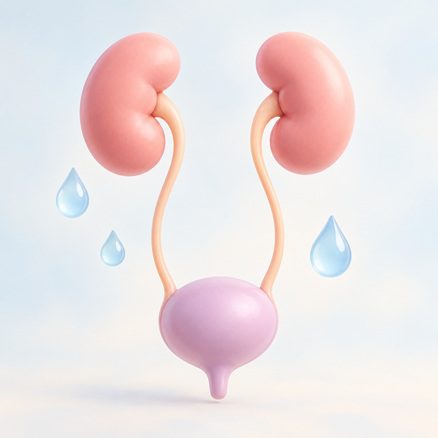
Pastel kidneys, ureters and bladder illustration with hydration droplets

Help your bunny cope with hot weather.

Rabbits can’t sweat their way out of a hot day like we can. Their blood-rich ears help release heat, and evaporation through breathing helps too. Keeping your rabbit hydrated supports normal body function, but drinking water can’t make up for an overheated room. Panting or open-mouth breathing needs urgent veterinary attention.
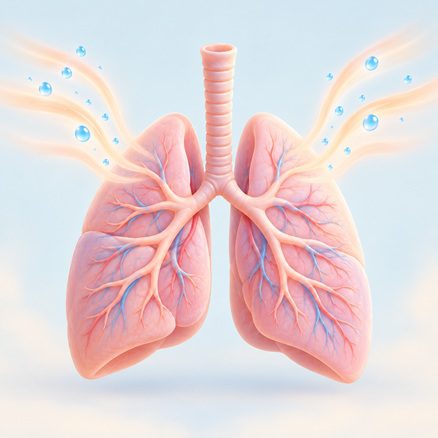
Pastel lungs with airflow and moisture symbols illustrating respiratory heat exchange

Keep the blood flowing and the organs happy.

Water helps maintain the blood volume that carries oxygen and nutrients around the body. Significant dehydration can compromise circulation and organ function, especially when a rabbit is overheated as well.

Pastel heart illustration with blood-flow arrows and hydration droplets

Illustrations are simplified visual aids, not precise anatomical diagrams.

Your daily rabbit hydration check:
Is the drinking water clean and easy to reach? Is your bunny eating normally? Are the droppings their usual size and number? Watch rabbit water intake alongside appetite, urination and behaviour. If eating or droppings stop, call a rabbit-savvy vet straight away.

How Much Water Should Rabbits Drink?

There’s no single number that fits every rabbit. A commonly used guide for daily rabbit water intake is 50–150 mL of drinking water per kilogram of body weight over 24 hours. Your bunny’s actual intake depends on diet, environment and individual needs.

Rabbit hydration includes moisture from both drinking water and food. Rabbits on mostly dry hay and pellets often drink more from their water source than those getting extra moisture from fresh greens. Hot weather and nursing can also raise water requirements.
Source: NSW Education

Rabbit’s weight Approximate daily rabbit water intake
1 kg 50–150 mL
2 kg 100–300 mL
3 kg 150–450 mL
4 kg 200–600 mL
5 kg 250–750 mL

These are estimates, not targets or strict limits. The table covers drinking water only, since your bunny also gets moisture from food. To support healthy rabbit hydration, always provide unrestricted access to clean, fresh water.

My Rabbit Drinks 500 mL a Day. Is That Normal?

To understand whether your rabbit is drinking an unusually large amount of water, start with their weight:

2 kg rabbit

250 mL/kg/day

500 mL is above the broad guide.

3.5 kg rabbit

About 143 mL/kg/day

500 mL is near the upper end.

5 kg rabbit

100 mL/kg/day

500 mL is within the guide.

Weight gives daily water consumption some context, but it can’t tell you whether your rabbit is healthy. Look at their diet, environment and usual drinking pattern too.

A dry diet or hot weather may help explain extra drinking, but neither automatically makes a high intake normal. A bright, active bunny with a steady weight is reassuring, but that doesn’t rule out an underlying problem.

Rabbit Drinking More Water: When to Call Your Vet

Contact a rabbit-savvy vet if your bunny suddenly drinks much more than usual, or consistently drinks an unusually high amount for their weight. Pay extra attention if increased rabbit water intake comes with any of these:

  • Increased urination
  • Weight loss
  • Reduced appetite
  • Changes in droppings, activity or behaviour

Increased thirst and urination can have several causes. Kidney disease is one possibility, particularly with weight loss or reduced appetite, but water intake alone can’t tell you the cause.
Source: Royal Veterinary College

Tell your vet about any medicines, supplements or recent dose changes. Don’t stop prescribed medication on your own.

Straining to urinate, frequent small urinations or signs of discomfort also need a vet’s assessment, whether or not your rabbit is drinking more.

Never restrict water to cut down drinking. Persistently high intake deserves attention even if your bunny has always drunk that much.

Rabbit Not Drinking Water—or Drinking Less?

Seeing your rabbit drink less from the bowl doesn’t always mean poor hydration. A bunny eating more fresh, water-rich greens may get more moisture from food and need less from their drinking water.
Source: NSW Education

An unexplained drop is a different story. If you notice your rabbit not drinking water, first check that the bowl is easy to reach and that the bottle, if you use one, is working. Call your vet if reduced drinking comes with reduced appetite, fewer droppings, less urination or signs of discomfort. Don’t assume the solution is simply to encourage your rabbit to drink more water.

If your rabbit stops eating or passing droppings, call a rabbit-savvy vet immediately. Don’t wait to finish a 24-hour water measurement.
Source: Rabbit Welfare Association & Fund

How to Monitor Rabbit Water Intake

Daily rabbit water check with Bunnini and Pee-Casso

Measure how much water you give and how much is left after 24 hours. Account for spills, leaky bottles and evaporation. Keep water available the whole time, and count every refill in your record.

If your rabbits share a bowl, the total won’t tell you who drank what. Watch each bunny’s habits, but don’t separate bonded rabbits just to get a measurement.

For a useful rabbit hydration record, note changes in fresh-food intake, temperature and drinking setup, alongside appetite, urination, droppings and weight.

Know your bunny’s usual pattern, but keep the actual amount in view too. A sudden change matters, and a consistently excessive amount shouldn’t be brushed off just because it’s familiar.

Help Your Rabbit Drink More Water: Make Drinking Easy with Hydration Hacks

These rabbit hydration tips focus on comfortable access, fresh drinking water and moisture from familiar food. Start with your bunny’s everyday setup rather than trying to reach a fixed water-intake target.

Offer a rabbit water bowl alongside a familiar bottle

Rabbits generally drink more efficiently from an open bowl. If your bunny already uses a rabbit water bottle, keep it available while you introduce the bowl and observe which source they use.

Source: Rabbit Welfare Association & Fund

Choose a stable, comfortable water bowl

Go for a heavy, food-safe ceramic bowl or a stable stainless-steel one. A suitable rabbit water bowl has a rim your bunny can reach comfortably, with enough room to drink without awkward stretching.

Add water stations in favourite areas

Make fresh drinking water easy to find near your bunny’s resting and feeding spots. Keep bowls far enough from the litter and falling hay to reduce contamination.

Give every bunny enough access

For bonded pairs or groups, set up multiple water stations so everyone can drink without crowding or being blocked. Check that each rabbit can comfortably approach a drinking spot.

Adapt drinking access for senior rabbits

Support hydration in senior and less mobile rabbits by keeping water close, adding nonslip footing and clearing awkward barriers. If your bunny struggles to reach or lower their head to drink, that also deserves a vet’s assessment.

Check water bottles and keep backup water

Test rabbit water bottle flow daily and check for leaks. A full bottle does not necessarily mean water is flowing. An extra bowl, or a familiar bottle that works, provides backup if the main source spills.

Rabbit Hydration: Keep Water Fresh and Inviting

Refresh drinking water more often in hot weather

Replace water at least daily, and whenever it gets dirty or warm. Keep containers out of direct sunlight. Fresh, cool drinking water is an everyday part of caring for rabbits in hot weather.

Source: Rabbit Welfare Association & Fund

Clean the whole drinking setup

Wash rabbit water bowls daily, and clean bottles, valves and spouts regularly. Topping up alone doesn’t remove built-up grime. Rinse cleaned equipment thoroughly before refilling.

Test one drinking preference at a time

To help your rabbit drink more water comfortably, try a different safe bowl shape or location while keeping the familiar source available. Watch what your bunny chooses instead of assuming every rabbit likes the same setup.

Support Rabbit Hydration Through Familiar Food

Serve familiar leafy greens freshly rinsed

Leave some rinse water on greens your rabbit already tolerates. Damp leafy greens add moisture through food, even if bowl drinking doesn’t go up. This supports total hydration rather than simply increasing measured drinking-water intake.

Include suitable water-rich vegetables in normal portions

Familiar leafy lettuce or a little cucumber can add moisture. Introduce new foods gradually and keep hay at the centre of the diet. Don’t suddenly pile on vegetables to make up for lower drinking. Food moisture affects rabbit water intake, so consider both when monitoring your bunny.

Source: NSW Education

Keep Rabbits Comfortable in Hot Weather

Pair hydration with cooling

Keeping your rabbit hydrated is only one part of hot-weather care. Provide shade and a comfortably cool place to rest. A cool tile or a safely wrapped frozen bottle can add comfort, but neither replaces drinking water.

Source: Rabbit Welfare Association & Fund

Optional Rabbit Hydration Ideas: Worth a Try, No Promises

  • Water fountains for rabbits: Some rabbits use them, but more drinking isn’t guaranteed. Consider cleaning, protected cables and chewable parts, and keep a plain water bowl as backup.
  • Filtered drinking water: This is an optional preference test where tap water is safe to drink. It isn’t a proven way to increase rabbit water intake.
  • Ice cubes: We can’t promise they encourage drinking. Fresh, cool water is the simpler answer.
  • Floating herb leaves or a “salad bowl”: These overlap with serving damp greens and add more to clean, so they’re not part of the routine list.

What to Avoid When Encouraging Your Rabbit to Drink

Avoid juice, sweetened drinks, salt or supplements used just to provoke thirst. Herbal teas need their own ingredient and evidence review first. Voluntary syringe familiarisation is a separate training activity; giving water by syringe to an unwell rabbit belongs under veterinary guidance.

One Last Rabbit Hydration Check

Watch both rabbit water intake and your bunny’s usual drinking pattern, allowing for food moisture, spills and leaks. If reduced drinking comes with reduced appetite or fewer droppings, call a vet. Trying to help your rabbit drink more water should never delay that call.

KNOW YOUR BUNNY’S NORMAL

Possible Signs of Rabbit Dehydration

Monitoring rabbit hydration means looking beyond the water bowl. Changes in drinking, appetite, urination and droppings can signal dehydration or another health problem. These clues deserve attention, but none can diagnose dehydration in rabbits on its own.

💧 Changes in Rabbit Urination

Look for noticeably smaller or less frequent urine patches, especially alongside reduced rabbit water intake. Darker or red-orange urine alone does not prove dehydration, as rabbit urine naturally varies in colour. Thick, sludgy urine, straining or discomfort needs veterinary assessment.

👄 Dry or Sticky Gums

Dry or tacky gums can be a sign of rabbit dehydration, but checking a rabbit’s mouth safely can be difficult. Don’t force their mouth open or rely on gum appearance alone. Normal-looking gums do not rule out illness.

💤 Energy or Appetite Changes

Watch for unusual quietness, weakness, reduced responsiveness or less interest in hay and familiar foods. If your rabbit is not drinking water and also seems unwell, contact your vet. A comfortable resting flop is different from a rabbit who appears limp or unwell.

⚠️ Changes in Rabbit Droppings

Fewer, smaller or unusually shaped droppings can indicate reduced food intake or a digestive problem, rather than dehydration alone. Check droppings alongside appetite and drinking habits. If eating or droppings stop, contact a rabbit-savvy vet immediately.


EVIDENCE-BASED CARE

Rabbit Hydration Myths vs. Facts

From ice cubes to water bottles, here’s what these common claims mean for your bunny’s drinking routine.

❌ Myth: “Ice cubes are all you need to keep a rabbit cool.”

Fact: Ice cubes can cool the water, but they don’t make an overheated environment safe. Keeping your rabbit hydrated must go alongside shade and a cool resting area. Don’t assume ice will encourage your bunny to drink.

❌ Myth: “Rabbit water bottles are always cleaner than bowls.”

Fact: Bottles can keep out some falling debris, but their interiors, valves and spouts still need cleaning. A rabbit water bowl can collect hay or litter and needs daily washing. Whichever you use, check cleanliness and water access regularly.

❌ Myth: “If rabbits eat vegetables, they don’t need drinking water.”

Fact: Fresh greens contribute moisture and may reduce the amount your bunny drinks from the bowl. However, healthy rabbit hydration still requires unrestricted access to clean drinking water. Food moisture is an addition to the water supply, not a reason to remove it.

❌ Myth: “Rabbits die if they drink water.”

Fact: Rabbits need water. Drinking clean water is normal and essential; withholding it risks rabbit dehydration and serious illness. Always provide fresh drinking water, even when your bunny eats water-rich vegetables.

SUMMARY

Final Thoughts: Support Rabbit Hydration Every Day

Good rabbit hydration starts with everyday comfort: fresh drinking water, a bowl your bunny can use easily, and a cool place to relax. If you want to help your rabbit drink more water in hot weather, start with easy access and a clean, comfortable setup. Multiple drinking spots and familiar greens served freshly rinsed can support the routine.

Monitor rabbit water intake alongside appetite, droppings and urination. The aim is to meet your bunny’s needs—not persuade them to finish a set amount. Keeping your rabbit hydrated works alongside a suitable diet and a comfortably cool environment.


YOUR DAILY WATER-BOWL CHECK

Quick Rabbit Hydration Checklist

Simple rabbit hydration tips for fresh water, comfortable access and daily monitoring.
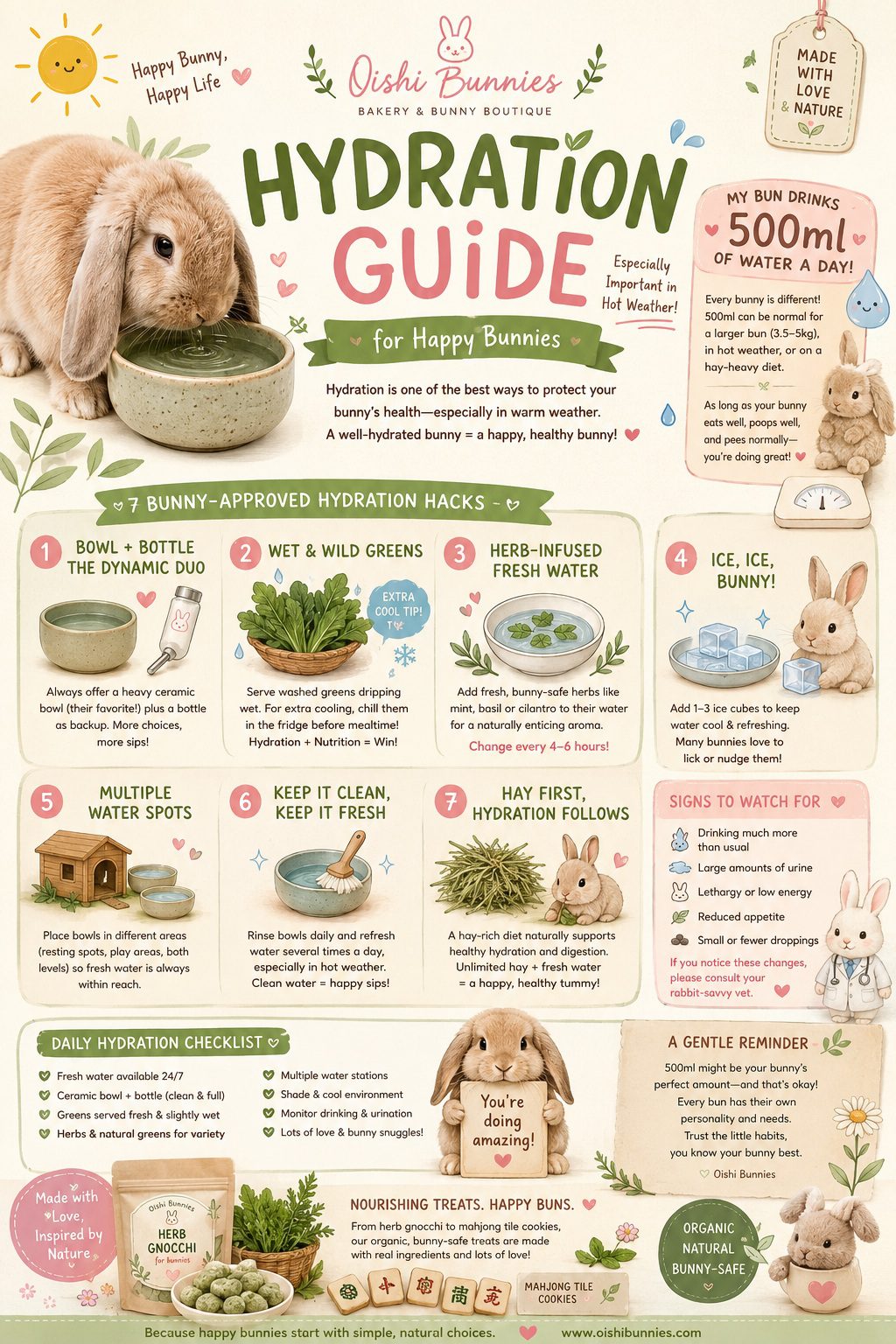
Oishi Bunnies rabbit hydration poster featuring rabbits drinking from a ceramic water bowl

Tap the rabbit hydration poster to view it at full size.

Keep Your Rabbit Hydration Guide Handy

Save the printable guide for a quick reminder near your bunny’s care station, especially during hot weather.

Download Rabbit Hydration PDF Guide

Tap the checklist boxes as you go. This checklist does not save your selections.

🐾 ROOTED IN RABBIT CARE & RESCUE

Little Treats.
A Bigger Purpose.

Oishi Bunnies brings together a love of baking, thoughtful rabbit care and hands-on rescue experience. Your support helps us continue our work with rabbits—from everyday care and rehabilitation to finding loving homes.

🌿 Premium Organic Herbs

Add variety to your bunny’s forage routine with suitable herbs, offered in small amounts alongside their usual hay. Introduce unfamiliar herbs gradually and keep plain drinking water freely available.

Shop Organic Herbs

🎂 The Foodie Birthday Bundle

Celebrate your bunny’s milestones with handcrafted cookies and treats. Keep celebration portions small and suited to your rabbit’s diet—there’s still plenty of room for a birthday hay feast.

Explore the Oishi Bunnies Shop

Bunnini: “Hay first.”
Pee-Casso: “Birthday snacks second. I’ve checked the agenda.”

✨ Living Content Notice

The Modern Art of Rabbit Care is a work of passion and precision. This content may be updated from time to time as new scientific data emerges or whenever inspiration hits. We strive for a “masterpiece” level of accuracy, so check back often for the latest refinements.


🩺 Medical Disclaimer

While we provide evidence-based, “anatomy-aware” insights, Cookie Yiyi is a rescuer and researcher, not a licensed veterinarian. The information provided here is for educational purposes and should not replace professional veterinary diagnosis or treatment. Always consult an exotic animal vet for specific health concerns regarding your lagomorph.


Want to contribute to the Masterpiece?

If you have a passion for rabbit advocacy, scientific writing, or raising awareness, we’d love to collaborate.

Contact Oishi Bunnies ✉️

Further Reading & References

For readers who’d like to explore rabbit water intake, drinking equipment, hot-weather care and safe assisted feeding in more detail.

Rabbit-Specific Research

  1. Tschudin, A., et al. (2011). Water intake in domestic rabbits (Oryctolagus cuniculus) from open dishes and nipple drinkers under different water and feeding regimes. Journal of Animal Physiology and Animal Nutrition, 95(4), 499–511.
    An experimental study in 12 rabbits examining drinking systems, food moisture and water access. Useful for understanding the difference between drinking-water intake and total water intake, and effects on urine and faecal moisture.
    DOI: 10.1111/j.1439-0396.2010.01077.x
  2. Tschudin, A., et al. (2011). Preference of rabbits for drinking from open dishes versus nipple drinkers. Veterinary Record, 168(7), 190.
    Further reading on rabbits’ preferences for different drinking apparatus.
    DOI: 10.1136/vr.c6150

Practical Care & Veterinary Guidance

  • NSW Department of Education. Rabbits – food and water.
    Husbandry guidance covering water provision, container checks and the broad 50–150 mL/kg water-intake guide, with variation according to diet, weather and reproductive status.
  • Rabbit Welfare Association & Fund. Tips for Keeping Cool.
    Advice from rabbit specialist Richard Saunders on efficient drinking from bowls, shade and cooling arrangements.
  • Rabbit Welfare Association & Fund. Hot Weather Care.
    Practical guidance on fresh water, shade, cooling surfaces and recognising heatstroke signs that need immediate veterinary attention.
  • Rabbit Welfare Association & Fund. Gut Slowdown.
    Guidance on changes in appetite and droppings, including why a rabbit who stops eating or passing droppings needs prompt veterinary care.
  • Rabbit Welfare Association & Fund. Syringe Feeding Guide.
    Guidance for vet-directed assisted feeding, including supported positioning, swallowing pauses and aspiration precautions. This concerns feeding an unwell rabbit; it does not establish the effectiveness of voluntary syringe training or endorse a particular training reward.

Reading the evidence: Research findings depend on the rabbits, diets and conditions studied. Care guides offer practical advice, while individual medical decisions belong with your rabbit-savvy vet.